In an upholstered piece of furniture, the cushions need a filler of some kind. Before plastics, our grandparents used feathers, horsehair or wool or cotton batting. But with the advent of plastics, our lives changed. You will now commonly see polyurethane foam, synthetic or natural latex rubber and the new, highly touted soy based foam.
In putting together this information on foams, I leaned heavily on a series of blog postings by Len Laycock (CEO of Upholstery Arts), called “Killing Me Softly”. It saddens me to have found out that Upholstery Arts is no longer selling furniture.
The most popular type of cushion filler today is polyurethane foam. Also known as “Polyfoam”, it has been the standard fill in most furniture since its wide scale introduction in the 1960’s because of its low cost (really cheap!). A staggering 2.1 billion pounds of flexible polyurethane foam is produced every year in the US alone.[1]
Polyurethane foam is a by-product of the same process used to make petroleum from crude oil. It involves two main ingredients: polyols and diisocyanates:
A polyol is a substance created through a chemical reaction using methyloxirane (also called propylene oxide).
Toluene diisocyanate (TDI) is the most common isocyanate employed in polyurethane manufacturing, and is considered the ‘workhorse’ of flexible foam production.
Both methyloxirane and TDI have been formally identified as carcinogens by the State of California
Both are on the List of Toxic Substances under the Canadian Environmental Protection Act.
Propylene oxide and TDI are also among 216 chemicals that have been proven to cause mammary tumors. However, none of these chemicals have ever been regulated for their potential to induce breast cancer.
The US Environmental Protection Agency (EPA) considers polyurethane foam fabrication facilities potential major sources of several hazardous air pollutants including methylene chloride, toluene diisocyanate (TDI), and hydrogen cyanide. There have been many cases of occupational exposure in factories (resulting in isocyanate-induced asthma, respiratory disease and death), but exposure isn’t limited to factories: The State of North Carolina forced the closure of a polyurethane manufacturing plant after local residents tested positive for TDI exposure and isocyanate exposure has been found at such places as public schools.
The United States Occupational Safety and Health Administration (OSHA) has yet to establish exposure limits on carcinogenicity for polyurethane foam. This does not mean, as Len Laycock explains, “that consumers are not exposed to hazardous air pollutants when using materials that contain polyurethane. Once upon a time, household dust was just a nuisance. Today, however, house dust represents a time capsule of all the chemicals that enter people’s homes. This includes particles created from the break down of polyurethane foam. From sofas and chairs, to shoes and carpet underlay, sources of polyurethane dust are plentiful. Organotin compounds are one of the chemical groups found in household dust that have been linked to polyurethane foam. Highly poisonous, even in small amounts, these compounds can disrupt hormonal and reproductive systems, and are toxic to the immune system. Early life exposure has been shown to disrupt brain development.”
“Since most people spend a majority of their time indoors, there is ample opportunity for frequent and prolonged exposure to the dust and its load of contaminants. And if the dust doesn’t get you, research also indicates that toluene, a known neurotoxin, off gases from polyurethane foam products.”
“the average queen-sized polyurethane foam mattress covered in polyester fabric loses HALF its weight over ten years of use. Where does the weight go? Polyurethane oxidizes, and it creates “fluff” (dust) which is released into the air and eventually settles in and around your home and yes, you breathe in this dust. Some of the chemicals in use in these types of mattresses include formaldehyde, styrene, toluene di-isocyanate (TDI), antimony…the list goes on and on.”
Polyurethane foams are advertised as being recyclable, and most manufacturing scraps (i.e., post industrial) are virtually all recycled – yet the products from this waste have limited applications (such as carpet backing). Post consumer, the product is difficult to recycle, and the sheer volume of scrap foam that is generated (mainly due to old cushions) is greater than the rate at which it can be recycled – so it mostly ends up at the landfill. This recycling claim only perpetuates the continued use of hazardous and carcinogenic chemicals.
Polyfoam has some hidden costs (other than the chemical “witch’s brew” described above): besides its relatively innocuous tendency to break down rapidly, resulting in lumpy cushions, and its poor porosity (giving it a tendency to trap moisture which results in mold), it is also extremely flammable, and therein lies another rub!
Polyurethane foam is so flammable that it’s often referred to by fire marshals as “solid gasoline.” Therefore, flame-retardant chemicals are added to its production when it is used in mattresses and upholstered furniture. This application of chemicals does not alleviate all concerns associated with its flammability, since polyurethane foam can release a number of toxic substances at different temperature stages. For example, at temperatures of about 800 degrees, polyurethane foam begins to rapidly decompose, releasing gases and compounds such as hydrogen cyanide, carbon monoxide, acetronitrile, acrylonitrile, pyridine, ethylene, ethane, propane, butadine, propinitrile, acetaldehyde, methylacrylonitrile, benzene, pyrrole, toluene, methyl pyridine, methyl cyanobenzene, naphthalene, quinoline, indene, and carbon dioxide. Of these chemicals, carbon monoxide and hydrogen cyanide are considered lethal. When breathed in, it deprives the body of oxygen, resulting in dizziness, headaches, weakness of the limbs, tightness in the chest, mental dullness, and finally a lapse of concsiousness that leads to death. Many of these are considered potential carcinogens or have been associated with a number of adverse health effects.
In conclusion, the benefits of polyfoam (low cost) must be evaluated with the disadvantages: being made from a non-renewable resource (oil), and the toxicity of main chemical components as well as the toxicity of the flame retardants added to the foam.
Natural or Synthetic latex: The word “latex” can be confusing for consumers, because it has been used to describe both natural and synthetic products interchangeably, without adequate explanation. This product can be 100% natural (natural latex) or 100% man-made (derived from petrochemicals) – or it can be a combination of the two – the so called “natural latex”. Also, remember latex is rubber and rubber is latex.
Natural latex – The raw material for natural latex comes from a renewable resource – it is obtained from the sap of the Hevea Brasiliensis (rubber) tree, and was once widely used for cushioning. Rubber trees are cultivated, mainly in South East Asia, through a new planting and replanting program by large scale plantation and small farmers to ensure a continuous sustainable supply of natural latex. Natural latex is both recyclable and biodegradeable, and is mold, mildew and dust mite resistant. It is not highly flammable and does not require fire retardant chemicals to pass the Cal 117 test. It has little or no off-gassing associated with it. Because natural rubber has high energy production costs (although a smaller footprint than either polyurethane or soy-based foams[2]), and is restricted to a limited supply, it is more costly than petroleum based foam.
Synthetic latex – The terminology is very confusing, because synthetic latex is often referred to simply as “latex” or even “100% natural latex”. It is also known as styrene-butadiene rubber (SBR). The chemical styrene is toxic to the lungs, liver, and brain. Synthetic additives are added to achieve stabilization. Often however, synthetic latex can be made of combinations of polyurethane and natural latex, or a combination of 70% natural latex and 30% SBR. Most stores sell one of these versions under the term “natural latex” – so caveat emptor! Being petroleum based, the source of supply for the production of synthetic latex is certainly non-sustainable and diminishing as well.
Next I would like to talk about those new soy based foams that are all the rage, but I don’t want to bite off too much. It’s a big topic and one that deserves its own post. So that’s going to be next week’s post!
Each week for the next few weeks we’ll look at the components of sofas, and discuss what makes a particular component “green” or “safe”. We hope this will help you to better understand the claims of sofa manufacturers, and enable you to decide whether you want to support their products with your dollars. We hope you don’t need help to see through claims such as one we saw recently, in which the manufacturer claimed they used “renewable wood”!
We’ll start with the bones of a good sofa – wood.
Everybody knows that wood, a natural product, comes from trees, but it’s important to know much more than whether the wood is cherry or mahagony – it’s also important to know that the wood did not come from an endangered forest (such as a tropical forest, or old growth boreal forests) – and preferably that the wood came from a forest that is sustainably managed. Well managed forests provide clean water, homes for wildlife, and they help stabilize the climate. As the National Resources Defense Council says:
“Forests are more than a symbolic ideal of wilderness, more than quiet places to enjoy nature. Forest ecosystems — trees, soil, undergrowth, all living things in a forest — are critical to maintaining life on earth. Forests help us breathe by creating oxygen and filtering pollutants from the air, and help stabilize the global climate by absorbing carbon dioxide, the main greenhouse gas. They soak up rainfall like giant sponges, preventing floods and purifying water that we drink. They provide habitat for 90 percent of the plant and animal species that live on land, as well as homelands for many of the earth’s last remaining indigenous cultures. Forests are commercially important, too; they yield valuable resources like wood, rubber and medicinal plants, including plants used to create cancer drugs. Harvesting these resources provides employment for local communities. Healthy forests are a critical part of the web of life. Protecting the earth’s remaining forest cover is now an urgent task.”
Unsustainable logging, agricultural expansion, and other practices threaten many forests’ existence. Indeed, half of the Earth’s original forest cover has been lost, mostly in the last three decades.
According to the World Resources Institute (WRI), only 20% of Earth’s original forests remain today in areas large enough to maintain their full complement of biological and habitat diversity and ecological functions.[2]
More than 20% of worldwide carbon emissions come from the loss of forests[1], even after counting all the carbon captured by forest growth.
A sustainable forest is a forest that is carefully managed so that as trees are felled they are replaced with seedlings that eventually grow into mature trees. This is a carefully and skilfully managed system. The forest is a working environment, producing wood products such as wood pulp for the paper / card industry and wood based materials for furniture manufacture and the construction industry. Great care is taken to ensure the safety of wildlife and to preserve the natural environment.
Forest certification is like organic labeling for forest products: it is intended as a seal of approval — a means of notifying consumers that a wood or paper product comes from forests managed in accordance with strict environmental and social standards. For example, a person shopping for flooring or furniture would seek a certified forest product to be sure that the wood was harvested in a sustainable manner from a healthy forest, and not clearcut from a tropical rainforest or the ancestral homelands of forest-dependent indigenous people.
Choosing products from forests certified by the independent Forest Stewardship Council (FSC) can be an important part of using wood and paper more sustainably. The FSC, based in Bonn, Germany, brought together three seemingly antagonistic groups: environmentalists, industrialists and social activists. Its mission and governance reflects the balance between these original constituents in that FSC seeks to promote environmentally appropriate, socially beneficial and economically viable management of the world’s forests. Each is given equal weight. Formed in 1993, the FSC has established a set of international forest management standards; it also accredits and monitors certification organizations that evaluate on-the-ground compliance with these standards in forests around the world. Today nearly 125 million acres of forest are FSC certified in 76 countries.
The most well known of these alternative certifications is the Sustainable Forestry Initiative (SFI). Created in 1995 by the American Forest & Paper Association (AF&PA), an industry group, SFI was originally created as a public relations program, but it now represents itself as a certification system.
There are significant differences between the two systems. FSC’s conservation standards tend to be more concrete, while SFI’s are vaguer targets with fewer measurable requirements. Here is what is allowed under the SFI standard:
Allows large clearcuts
Allows use of toxic chemicals
Allows conversion of old-growth forests to tree plantations
Allows use of genetically modified trees
Allows logging close to rivers and streams that harms water supplies
By comparison, the FSC:
Establishes meaningful limits on large-scale clearcutting; harvesting rates and clearing sizes can not exceed a forest’s natural capacity to regenerate.
Prohibits the most toxic chemicals and encourages forest practices that reduce chemical use.
Does not allow the conversion of old-growth forests to tree plantations, and has guidelines for environmental management of existing plantations.
Prohibits use of genetically modified trees and other genetically modified organisms (GMOs).
Requires management and monitoring of natural forest attributes, including the water supply; for example, springs and streams are monitored to detect any signs of pollutants or vegetative disturbance.
Requires protection measures for rare old growth in certified forests, and consistently requires protection of other high conservation value forests.
Prohibits replacement of forests by sprawl and other non-forest land uses.[4]
Certifiers also grant “chain-of-custody” certifications to companies that manufacture and sell products made out of certified wood. A chain-of-custody assessment tracks wood from the forest through milling and manufacturing to the point of sale. This annual assessment ensures that products sold as certified actually originate in certified forests.
Nearly a decade and a half after the establishment of these two certification bodies, there was a battle between FSC and SFI which crescendoed in a showdown over recognition in the LEED system, the preeminent green building standard in the U.S. Since its inception in 2000, LEED (Leadership in Energy and Environmental Design) has recognized only lumber with the FSC label as responsibly sourced. Credits such as MR 7 – Certified Wood, has awarded points based on the usage of FSC certified wood only (NOTE: this is not specific to wood; LEED only awards points automatically for Indoor Air Quality to products which are GreenGuard certified) . Intense timber industry pressure (specifically from SFI) led the U.S. Green Building Council (USGBC), LEED’s parent, to evaluate the certified wood credit in LEED, which has been FSC exclusive since inception, and determine whether other certification systems, such as the industry-driven Sustainable Forestry Initiative, should be given credits as well.
The thinking was to replace the simple FSC monopoly with generalized benchmarks for evaluating systems claiming to enforce sustainable forestry and open up considerations for other “green” wood labeling systems.
Opponents of this action feel that it opened the door to destructive forestry practices under the guise of “green” – and to pass off status-quo business practices as environmentally friendly. One of the leading arguments for loosening the wood credit — and thus lowering the bar for the standards governing the origins of the wood — is that the FSC system doesn’t have enough supply to meet demand. To which the rejoinder is that the volume of SFI wood speaks to laxness of standards. SFI contends that since only 10% of the world’s forests are certified sustainable, the important fact to concern us should be to work on the problems plaguing the remaining 90%.
The USGBC put this issue before their members, who voted to NOT approve the benchmarking criteria – so FSC certified wood remains the only certification allowed under the LEED rating system.
Once you’ve established whether the wood is from a sustainably managed forest, it’s also important to note whether the wood products in the sofa are composites. Composites are typically made of wood and adhesive – examples of such composites are laminated veneer lumber (LVL), Medium density fiberboard (MDF), Plywood, and Glue Laminated Beams (Glulam). Because these products are glued together using phenol formaldehyde resins, there is concern with formaldehyde emissions. In fact, a bill introduced in September, 2009, in the U.S. Senate would limit the amount of allowable formaldehyde emissions in composite wood products. In addition, the embodied energy in these products is typically higher than that for solid timber. Based on a study done by the School of Engineering, University of Plymouth in the United Kingdom, the embodied energy in air dried sawn hardwood (0.5 MJ/kg) is considerably less than that of glulam (4.6 to 11.0 MJ/kg)
[1] Van der Werf, G.R, et al, “CO2 Emissions from Forest Loss”, Nature Geoscience, November 1, 2009, pp 737-38.
In light of the recent Chicago Tribune series, “Playing with Fire” about the deceptive campaigns waged by manufacturers of flame retardants, it seems that with each call we get, we end up talking about flame retardants. We think that’s skewed, because flame retardants, though certainly something we wouldn’t want to live with, are not the only monsters in the dark. So we want to talk again about what makes a “green”, “safe”, or “sustainable” sofa – whatever you want to call it – and how to evaluate manufacturers claims. What we mean is a sofa that does not compromise your health – or mine. So you can live with a sofa which does not contain chemicals which can harm you, but if a manufacturer does not capture the environmental pollutants created during the process, the end result will be the same – it will just take a bit longer.
So we’re going to do a series of blog posts on the various components of a sofa, so you’ll be better able to evaluate the claims manufacturers are making.
The first order of business is to find out what makes a “quality” sofa. In looking at what makes a “quality” sofa, I didn’t pay any attention to the “green” (or not) attributes of each item – we’re simply talking about quality so you’ll be able to evaluate a sofa. After all, it’s not a “green” option to buy a sofa that you’ll have to replace in two years. Think about furniture you see in museums that have all their original parts – including fabric – and are often hundreds of years old. That’s what quality components can do for you.
These are the components of a typical sofa:
Wood
Foam (most commonly) or other cushion filling
Fabric
Miscellaneous:
Glue
Varnish/paint
Metal springs
Thread
Jute webbing
Twine
The frame, seating support, cushion filling and decorative fabric all determine your sofa’s level of comfort, and its ability to retain its shape and stability in the years to come.
How long a sofa will last, and retain its shape, depends largely on the frame, and a high quality sofa will always have a strong, sturdy one.A higher quality sofa uses kiln-dried hardwoods – this process removes all moisture from the frame, enabling it to retain its shape and stability over a long period of time. Green and/or knotted wood can shrink or crack. Some better quality sofas use plywood, but if you have to choose a sofa with plywood, make sure it has 11 – 13 layers of plywood and not fewer. Lower quality sofas use particleboard /MDF board.
In a high quality sofa, special attention is paid to the joints, which are dowelled or screwed into place rather than glued. Some manufacturers even cut costs by using watered down glue. Joints are secured with corner blocking, dowels and screws, which last longer than just glue and staples.
Regarding seating support:
The best seating support is the eight-way hand tied springs system. The craftsman connects each spring to the adjoining one with a strong twine. The twine passes front to back, side to side and then diagonally in both directions thus tying each spring securely.
Another seating support system is sinuous spring construction. Sinuous springs are “S” shaped and run from the front of the seat to the back. These springs are supported by additional wires that cross from side to side. This also makes for a strong seat, and it might be the preferred option in a sleeker style as it requires less space.
The third option is web suspension in which bands of webbing cross the seat and back. These are then attached to the frame to make a platform for the cushions. Webbing can be made of either natural or man-made fibers, and if used alone doesn’t make for very strong support. However, in better quality sofas, it can be used with a tensioner that fastens the webbing securely to the frame. The web suspension is the least preferable of the seating support options.
Ticking is used between the upholstery foam or latex and the decorative fabric cover; stitches are even and not bunched.
The most common filling used in sofa cushions is high density polyurethane. Density is measured in pounds per cubic foot (PCF). And of course there is a lot of variability in density – it can run from 1.2 PCF for lowest quality foam, to 1.7 PCF for average quality sofa cushions and up to 2.2 PCF for high quality cushions. Firmness and resiliency are qualities that make a higher quality foam. Natural latex is another filling option, and also comes in varying densities. The lifespan of polyurethane averages 10 years; latex is supposed to have double that life expectancy. Before there was polyurethane foam, however, people used a variety of materials, such as horsehair and cotton or wool batting.
Fillings can be wrapped in softer material such as wool, cotton or Dacron, which is the cheapest option. Down is considered to be the premium filling choice, and is among the most expensive choices, but cushions filled only with down require daily maintenance. High quality down cushions will have down proof ticking under the upholstery fabric to prevent feathers from poking through.
Down used in combination with other materials is another option, but also expensive. Pads made out of a Dacron® polyester fiber and down, known as Blendown pads, are wrapped around high density foam. These pads can also be used with springs that have been wrapped up in foam. High density foam surround the springs that are then wrapped in down pads. The result is a soft surface with a strong, resilient support inside. This is a good option as the cushions do not lose their shape easily.
You may have read the series published by the Chicago Tribune which began on May 7, “Playing With Fire”, in which they expose the history of fire retardants which are used in furniture in the United States. The Tribune found that:
Chemicals that are used in household furnishings such as sofas and chairs to slow fire do not work.
Some fire retardant materials used over the years pose serious health risks. They have been linked to cancer, neurological deficits, developmental problems and impaired fertility. A lot of household furniture is chock full of these chemicals. They escape from the furniture and settle in dust. That’s particularly dangerous for toddlers, who play on the floor and put things in their mouths.
According to an editorial which was published in the Tribune on May 11, “you have been sold a false sense of security about the risk of your furniture burning, and you’ve been exposed to dangerous chemicals you didn’t know about. If you’re not angry, you ought to be”.
How were U.S. consumers and manufacturers sold on the safety and effectiveness of flame retardant chemicals?
According to the series:
It turns out that our furniture first became full of flame retardants because of the tobacco industry[1]. A generation ago, tobacco companies were facing growing pressure to produce fire-safe cigarettes, because so many house fires started with smoldering cigarettes. So tobacco companies mounted a surreptitious campaign for flame retardant furniture, rather than safe cigarettes, as the best way to reduce house fires. The documents show that cigarette lobbyists secretly organized the National Association of State Fire Marshals and then guided its agenda so that it pushed for flame retardants in furniture. The fire marshals seem to have been well intentioned, but utterly manipulated. An advocacy group called Citizens for Fire Safety later pushed for laws requiring fire retardants in furniture. It describes itself as “a coalition of fire professionals, educators, community activists, burn centers, doctors, fire departments and industry leaders.” But Citizens for Fire Safety has only three members, which also happen to be the three major companies that manufacture flame retardants: Albemarle Corporation, ICL Industrial Products and Chemtura Corporation.
A prominent burn doctor’s misleading testimony was part of a campaign of deception and distortion on the efficacy of these chemicals. The chemical industry “has disseminated misleading research findings so frequently that they essentially have been adopted as fact,” the authors wrote. To read about this, click here.
The U.S. Environmental Protection Agency, whose mission is to safeguard America’s health and environment, has allowed generation after generation of flame retardants onto the market without rigorously evaluating the health risks
As Nicholas Kristof, writing in the New York Times, said: It’s not easy for a democracy to regulate technical products like endocrine disruptors that may offer great benefits as well as complex risks, especially when the hazards remain uncertain. A generation ago, Big Tobacco played the system like a violin, and now Big Chem is doing the same thing. To read his editorial, click here.
What I find intriguing about this expose is how the chemical lobby was able to pull this off. We have known the science behind fire retardants for many years, just as we know the science behind global climate change. The Yale Project on Climate Change Communication , in conjunction with the Gallup Group, found that although most Americans (66%) now believe climate change is happening, only 42% believe that it is caused by human activities.[2] Will scholars a thousand years from now wonder why, after scientists had so thoroughly nailed down the reality of climate change, did so many Americans get fooled into thinking it was all a left-wing hoax?
Naomi Oreskes and Erik Conway have published a book,Merchants of Doubt, that explores what they say is the widespread mistrust and misunderstanding of scientific consensus by the American public.[3] They probe the history of organized campaigns, (similar to the one done by the three fire retardant manufacturers in the Playing with Fire series), to create public doubt and confusion about science.
In a review of the book which appeared in American Scientist, Robert Proctor says that the authors demonstrate “how a small band of right-wing scholars steeped in Cold War myopia, with substantial financing from powerful corporate polluters, managed to mislead large sections of the American public into thinking that the evidence for human-caused warming was uncertain, unsound, politically tainted and unfit to serve as the basis for any kind of political action.”
The story, he says, helps explain why “these free-market fundamentalists, steeped in Cold War oppositions (market economies versus command economies, the individual versus the state, the free world versus Big Brother), attacked any and all efforts to trace environmental maladies back to corporate chemicals. Chlorinated fluorocarbons were not really eating away at the ozone layer, and the sulfates being belched from coal-fired plants were not causing forest-harming acid rain; even secondhand cigarette smoke was not causing any provable harm. This tobacco connection is significant. Oreskes and Conway show that a number of other climate-change denialists served as advisors to the Advancement of Sound Science Coalition, a Philip Morris front run by APCO Associates to challenge the evidence linking secondhand smoke to disease”. Rachael Carson is now, in this revisionist world, blamed for deaths from the banning of DDT.
But what is at the bottom of all this is the definition of the proper role of government in limiting the right to pollute. Robert Proctor says the doubt mongers “are not so much antiscience as antigovernment and pro–unfettered business. Ever since the “Reagan Revolution” of the 1980s, libertarian ideologues have managed to convince large numbers of Americans that government is inherently bad—worse even than carcinogens in your food or poisons in your water. So for followers of this line of thinking—expressed in some recent Tea Party activities but more potently in many of the trade associations and “think tanks” established by major polluters—the view seems to be that if science gets in your way, you can always make up some of your own. The foolishness of such myopia is now evident in the oil spreading throughout the Gulf of Mexico—vivid proof that, as Isaiah Berlin once observed, liberty for wolves can mean death to lambs.”
[2] “Climate Change in the American Mind”, May 15, 2012, Yale Project on Climate Change Communication
[3] Naomi Oreskes and Erik M. Conway, MERCHANTS OF DOUBT: How a Handful of Scientists Obscured the Truth on Issues from Tobacco Smoke to Global Warming, Bloomsbury Press, 2010.
We did a post on the use of nanotechnology in the textile industry about two years ago, and new research has just settled the long-standing controversy over the mechanism by which silver nanoparticles (the most widely used nanomaterial in the world) kills bacteria. You know, all those new textiles that advertise that they’re bacteria and odor free – they are even claimed to prevent colds and flu and never need washing![1] Not to keep you in suspense: the research comes with a warning: use enough. If you don’t kill the bacteria, you make them stronger. In honor of this new study (summarized below) we’re re-posting our previous posts on nanomaterials:
Recently, I have been noticing various products claiming to have some kind of nanotechnology-based credential. Turns out that’s because the nanotech tsunami is just gaining steam – one tally says that over 10,000 products using nanotechnology are already on the market. In the food industry, the FDA says there are no nano-containing foods on the market in the U.S., yet DK Matai, Chairman of the Asymmetric Threats Contingency Alliance, says that the USA is the world leader in nano foods, followed by Japan, Europe and China[1]. The Environmental Working Group has done it’s own count of lotions, creams, sprays, washes, cosmetics and nutritional supplements on the market in the U.S. and has found close to 10,000 that contain nanoparticles. And there’s an app for that: The Project on Emerging Nanotechnologies has an iPhone app called findNano, which urges users to photograph and submit information on a possible nanotech product for inclusion in its inventory.
Turns out that there are many who think the next Industrial Revolution is right around the corner – because of nanotechnology. They think that nanotechnology will radically transform the world, and the people, of the early 21st century. It has the capacity to change the nature of almost every human-made object. Whether that transformation will be peaceful and beneficial or horrendously destructive is unknown. So naturally it’s become very controversial. More about that later.
It seems the better term is really nanoscience. Nanoscience is the study of things that are really really small: A nanometer is one billionth of a meter (10-9 m). This is roughly ten times the size of an individual atom. For comparison, 10 NM is 1000 times smaller than the diameter of a human hair. How small is that? “If a centimeter is represented by a football field, a nanometer would be the width of a human hair lying on the field,” offers William Hofmeister of the University of Tennessee Space Institute’s Center for Laser Applications.
From National Nanotechnology Initiative
Nanoparticles are bits of a material in which all three dimensions of the particle are within the nanoscale: nanotubes have a diameter that’s nanosize, but can be several hundred nanometers (nm) long or even longer. A cubic centimeter of material, about the size of a sugar cube, has the same surface area of a half a stick of gum. But if you fill that cube with particles that are 1 nanometer in size, the surface area of all those particles is an astonishing 6,000 square meters, nearly the surface area of 3 football fields.Nanofilms or nanoplates have a thickness that’s nanosize, but their other two dimensions can be quite large. These nanoparticles can be designed into structures of a specific size, shape, chemical composition and surface design to create whatever is needed to do the job at hand. They can be suspended in liquid, ground into a powder, embedded into a composite or even added to a gas.
Many important functions of living organisms take place at the nanoscale. The human body uses natural nanoscale materials, such as proteins and other molecules, to control the body’s many systems and processes. A typical protein such as hemoglobin, which carries oxygen through the bloodstream, is 5 nms in diameter. Based on the definition of nanotech given above, biotech can be thought of as a subset of nanotech – “nature’s nanotechnology.”
Manipulating something so mind-bogglingly small is where the “technology” part comes in – it’s about trying to make technologies, such as computers and medical devices, out of these nanoscale structures. Nanotechnology is different from older technologies because unusual physical, chemical, and biological properties can emerge in materials at the nanoscale. Nano particles have different physical properties from their macro or life-size scale counterparts. For example, copper is an opaque mineral, but at the nano scale it is transparent. Some particles, like aluminum, are stable at macro scale but become combustible when reduced to nano-particles; a gold nanowire is twenty times stronger than a large bar of gold.
Molecular manufacturing is the name given to a specific type of “bottom-up” construction technology. As its name implies, molecular manufacturing will be achieved when we are able to build things from the molecule up, and we will be able to rearrange matter with atomic precision.
As I mentioned earlier, something so little understood is controversial, with many different points of view. These differences start with the very definition of nanotechnology, and moves on to what nanotechnology can achieve. Then there is the ethical challenge – what is the moral imperative about making technology that might help increase our lifespans available to all, for example?
Finally, the concern about possible health and environmental implications is perhaps the most controversial. The problem is that some properties of these tiny particles are unknown, and potentially harmful, and scientists are still trying to determine whether their size affects their toxicity. Scientists worry that the small particles used in nanotechnology could penetrate biological barriers designed to keep out larger particles; also we don’t have guidelines about how much we can safely ingest without harm. For more on possible harm to human health, click here.
Nanotechnology has been discovered by the textile industry – in fact, a new area has developed in the area of textile finishing called “Nanofinishing”. Making fabric with nano-sized particles creates many desirable properties in the fabrics without a significant increase in weight, thickness or stiffness, as was the case with previously used techniques. Nanofinishing techniques include: UV blocking, anti-microbial, bacterial and fungal, flame retardant, wrinkle resistant, anti-static, insect and/or water repellant and self-cleaning properties.
One of the most common ways to use nanotechnology in the textile industry is to create stain and water resistance. To do this, the fabrics are embedded with billions of tiny fibers, called “nanowhiskers” (think of the fuzz on a peach), which are waterproof and increase the density of the fabric. The Nanowhiskers can repel stains because they form a cushion of air around each cotton fiber. When something is spilled on the surface of the fabric, the miniature whiskers actually cohesively prop up the liquid drops, allowing the liquid drops to roll off. This treatment lasts, they say, for about 50 home wash cycles before its effectiveness is lost. A corollary finish is that of using nanoparticles to provide a “lotus plant” effect which causes dirt to rinse off easily, such as in the rain.
Nanotechnology can also be used in the opposite manner to increase the ability of textiles, particularly synthetics, to absorb dyes. Until now most polypropylenes have resisted dyeing, so they were deemed unsuitable for consumer goods like clothing, table cloths, or floor and window coverings. A new technique being developed is to add nanosized particles of dye friendly clay to raw polypropylene stock before it is extruded into fibres. The resultant composite material can absorb dyes without weakening the fabric.
The other main use of nanoparticles in textiles is that of using silver nanoparticles for antimicrobial, antibacterial effects, thereby eliminating odors in fabrics. Nanoparticles of silver are the most widely used form of nanotechnology in use today, says Todd Kuiken, PhD, research associate at the Project on Emerging Nanotechnologies (PEN). “Silver’s antimicrobial property is one that suits a lot of different products, and companies pretty much run the gamut of how many consumer products they put it in.”
PEN’s database of consumer products that contain nanoparticles lists 150 different articles of clothing, including athletic clothes, jogging outfits, camping clothing, bras, panties, socks, and gloves, that are treated with nano-silver because it kills the bacteria that cause odor.
The new research mentioned above was published in the American Chemical Society’s Nano Letters by researchers at Rice University[2] , who found that the assumption that silver nanoparticles are toxic to bacteria is unfounded.
Scientists have long known that silver ions, which flow from nanoparticles when oxidized, are deadly to bacteria, and the assumption was made that silver nanoparticles were equally toxic. In fact, when the possibility of ionization is taken away from silver, the nanoparticles are practically benign in the presence of microbes, said Pedro Alvarez, George R. Brown Professor and chair of Rice’s Civil and Environmental Engineering Department.[3] He said the straightforward answer to the decade-old question is that the insoluble silver nanoparticles do not kill cells by direct contact. But soluble ions, when activated via oxidation in the vicinity of bacteria, do the job nicely.
To figure that out, the researchers had to strip the particles of their powers. “Our original expectation was that the smaller a particle is, the greater the toxicity,” said Zongming Xiu, a Rice postdoctoral researcher and lead author of the paper. “We found the particles, even up to a concentration of 195 parts per million, were still not toxic to bacteria,” Xiu said. “But for the ionic silver, a concentration of about 15 parts per billion would kill all the bacteria present. That told us the particle is 7,665 times less toxic than the silver ions, indicating a negligible toxicity.” In fact, E. coli bacteria became stimulated by silver ions when they encountered doses too small to kill them.
The Environmental Protection Agency (EPA) granted it’s first-ever approval to use nanosilver particles in fabrics in December 2011, and is based on a conditional four year registration. . “Conditional” means that the manufacturer must provide test results (within four years) showing how the nanosilver particles interact with the environment. However, the EPA has a long history of letting such approvals linter, and has already expressed concern about nanosilver particles impacts on health, saying the approval “will likely lead to low levels of human and environmental exposure and risks.”
Last year, the Swiss Federal Laboratories for Materials Testing and Research examined what happens to silver nanoparticles in fabrics during washing – and found that these silver nanoparticles actually wash out of fabrics – so there is a high likelihood that the silver will spread into the environment. Another study found that socks treated with nanosilver lost, on average, half the nanoparticles embedded in the fabric during washing.
Among other well documented studies (see sites listed below) which have shown silver nanoparticles to be highly toxic to bacteria, fungi and other microorganisms is one by Duke University, in which it was found that silver nanoparticles negatively impacted the growth of plants – and also kills the beneficial soil microbes which sustain the plants. “Nanoparticles likely enter the environment through wastewater, where they accumulate in biosolids (sewage sludge) at wastewater treatment plants. One of the ways in which the sludge is disposed of is through land application, because it is valuable as a fertilizer. Whereas fertilizers add nutrients to the soil that are essential for plant growth, plants also depend on soil bacteria and fungi to help mine nutrients from the air and soil. Therefore, the antimicrobial effects of silver nanoparticles could have impacts at the ecosystem level—for example, affecting plants whose growth is dependent on soil-dwelling microorganisms.” Another study (Choi, Yu, Fernandez et al in Water Research 2010) found that once nanosilver is washed down the drain, it’s highly effective at killing the microorganisms used to treat sewage in wastewater treatment plants, which could lead to bigger problems with drinking-water safety.
The future for textile applications using nanotechnology is exploding due to various end uses like protective textiles for soldiers, medical textiles and smart textiles. Consider the T-shirt. Research is being done that will use nanotechnology-enhanced fabric so the T-shirt can monitor your heart rate and breathing, analyze your sweat and even cool you off on a hot summer’s day. What about a pillow that monitors your brain waves, or a solar-powered dress that can charge your ipod or MP4 player? The laboratory of Juan Hinestroza, assistant professor of Fiber Science and Apparel Design at Cornell University, has developed cotton threads that can conduct electric current as well as a metal wire can, yet remain light and comfortable enough to give a whole new meaning to multi-use garments. This technology works so well that simple knots in such specially treated thread can complete a circuit – and solar-powered dress with this technology literally woven into its fabric. Dr. Hinestroza designed the fabrics used in a Cornell Univesity fashion show by designer Olivia Ong, which guards the wearer against bacteria, repels stains, fights off allergies and oxidizes smog. And costs about $10,000 per yard to make.
And yet, there is mounting evidence that nanotechnology requires special attention. Here’s an excerpt from an interview with Andrew Maynard, science advisor to the Project on Emerging Technologies (PEN), from Technology Review:
“Individual experiments have indicated that if you develop materials with a nanostructure, they do behave differently in the body and in the environment.
We know from animal studies that very, very fine particles, particles with high surface area, lead to a greater inflammatory response than the same amount of larger particles. We also know that they can enter the lining of the lungs and get through to the blood and enter other organs. There is some evidence that nanoparticles can move into the brain along the olfactory nerve, so this is completely circumventing the blood-brain barrier.
There really isn’t any consensus on how you go about evaluating the risks associated with carbon nanotubes yet. In cell cultures, you have to have some idea what kind of response you’re looking for. We already know in some studies that the lungs see carbon nanotubes almost as biological materials–they don’t see it as a foreign material. But then because of that, they start building up layers of collagen and cells around these nanotubes. They almost see them as a framework for building tissue on. Now, that actually may be a good thing in parts of the body, but in the lungs you end up using up the air space. But without that information, you wouldn’t necessarily know what were the appropriate cell tests to do in the first place.
The thing that concerns me is, there is very much a mind-set that is based on the conventional understanding of chemicals. But nanomaterials are not chemicals. They have a structural component there as well as a chemical component.
At the recent meeting of the Society of Environmental Toxicology and Chemistry (SETAC), more than 20 studies were presented on the fate of nanoparticles once they enter the environment, and nearly all found that these materials were building up in organisms, such as earthworms, insects, and fish, and having subtle effects on their abilities to survive
The Rodale website had some suggestions for those of us who are worried about smelly clothes: Try nature and a little common sense.
Pretreat. Before you wash your smelly gym clothes, sprinkle some baking soda on them, leaving it on for about an hour before laundering them to remove perspiration odors as well as stains.
Launder with care. Because sweat can be oily, it can build up on clothing, becoming difficult to remove with regular detergents and water. Add a cup of white vinegar to the rinse cycle; vinegar helps break through oils on fabric, and it serves as a deodorizer. Or hand-wash your clothes with shampoo, which is designed to cut through body oils.
Line-dry. Nothing cuts through bad odors like oxygen and sunlight. Let your clothes dry outside, rather than in a machine, and you’ll save energy, make your clothes last longer, and prevent offensive odors the next time you hit the gym. Read our Nickel Pincher’s line-drying story for the ultimate in line-drying advice.
I just read the article by Lynne Peeples in Huffington Post Green, entitled “Chemistry Lessons: Living with Rachel Carson’s Legacy” which caught my eye because I’ve been reading about Merchants of Doubt, the new book by Naomi Oreskes and Erik Conway, in which they conclude that the far right in America, in its quest to ensure the perpetuation of the free market, is now hell-bent on destroying the cause of environmentalism. One of the icons of the environmental movement, Rachel Carson, has come under attack [1]: she is being blamed for deaths caused by the banning of DDT.
“Millions of people around the world suffer the painful and often deadly effects of malaria because one person sounded a false alarm,” states one site set up by the Competitive Enterprise Institute. “That person is Rachel Carson.” Another site goes further: “Fifty million dead,” while a third claims: “More deaths likely.” [2] As Merchants of Doubt makes clear, DDT was banned not just because it was accumulating in the food chain but because mosquitoes were developing resistance to it. The pesticide was losing its usefulness long before it was taken out of commercial production. “And in the demonising of Rachel Carson, free marketeers realised that if you could convince people that an example of successful government regulation wasn’t, in fact, successful – that it was actually a mistake – you could strengthen the argument against regulation in general,” state Oreskes and Conway.
But you should read Merchants of Doubt for yourself.
Lynne Peeples’ article examines five of the assumptions Carson intuitively suspected, and compares them with newfound research which corroborates Carson’s assumptions. It’s a chilling read, and I think so important that I’ve reproduced it below in full:
As you read this, a menagerie of chemical pollutants is coursing through your body. What you do and how you live doesn’t matter. You have inhaled them, you’ve eaten them, you’ve absorbed them through your skin. You’re doing it right now.
If you are an average American, your personal chemical inventory — embedded in your blood, your breath and your bones — will include an alphabet soup of phthalates, mercury, perfluorinated compounds, bisphenol A, and assorted chemical flame retardants.
If you are a new mother, you are passing these chemicals to your child through your breast milk. If you are pregnant, you are delivering them through your umbilical cord.
These inescapable realities of modern life — realities that have vexed environmental advocates and worried scientists for years — are not new. They were all foreseen, with sometimes chilling accuracy, 50 years ago this summer, when an unassuming marine biologist from Springdale, Penn., named Rachel Carson began publishing a series of articles in The New Yorker Magazine. Carson’s essays, which accused the chemical industry of calculated deception and American regulators of wanton disregard for the proliferation of pesticides and other chemical pollutants released into the environment, would ultimately be published as the book “Silent Spring” — considered by many to be the clarion call of the modern environmental movement.
Today, one study after another repeats the same cautions Carson raised decades ago, including how the tiniest chemical exposures can lead to long-term harm, especially to children.
“We’ve discovered many things that Carson intuitively anticipated, and also some things that she would’ve never imagined,” says John Peterson Myers, CEO and chief scientist at Environmental Health Sciences.
Optimists, Myers included, suggest that, by combining Carson’s prescient insights with modern advancements in biology and chemistry, we can preserve the health of future generations.
In 2010, chronic diseases such as heart disease and cancer surpassed infectious diseases as the leading causes of death across the world, notes Bruce Lanphear, an environmental health expert at Simon Fraser University in British Columbia. “That can be seen as both troubling and an opportunity,” he says, suggesting that we have the potential to eliminate some of the exposures now implicated in chronic diseases. “The problem is that it is really the mega-corporations that are designing, or keeping us from developing, regulatory policies to protect people.”
More than 80,000 chemicals currently used in the U.S. have never been fully tested for their potential to harm humans or the environment, according to the Natural Resources Defense Council.
“Maybe we didn’t heed a warning,” says environmental activist and lawyer Erin Brockovich. “Can we really afford to wait another 50 years?”
To celebrate the 50th anniversary of Silent Spring, Huffington decided to review five of Rachel Carson’s warnings made decades ago to see how they measure up today.
#1: “Every human being is now subjected to contact with dangerous chemicals, from the moment of conception until death.”
A few years before she was pregnant with her first child, Elsie, Hannah Pingree got tested for toxic chemicals as part of a demonstration study by public health groups.
Although she has lived most of her life on an island 12 miles off the coast of Maine, her blood, hair and urine showed high levels of flame retardants, mercury and phthalates. “I was living nowhere near anything industrial,” says Pingree, former Speaker of the Maine House and now a consultant for “Safer Chemicals, Healthy Families,” a national coalition working to reform toxic chemical regulation. “This was simply from interacting with the environment and in my home.”
Pingree is now pregnant with her second child. As she knows, and as Carson suggested but had no way of proving at the time, exposures to toxic chemicals begin in the womb. Whatever exposures a mother encounters, so too does her future child.
As Carson wrote in The New Yorker on June 30, 1962: toxic chemicals have “entered the environment of almost everyone — even of children as yet unborn.” Within the body of the story, was an ad from the chemical giant Dupont Co. promoting its motto: “Better Things For Better Living … Through Chemistry.”
“Back in mid-century, a lot of people thought that the placenta was a barrier to environmental chemicals,” says Tracey Woodruff, a reproductive health expert at the University of California, San Francisco. It was some 40 years after Silent Spring’s publication when scientists finally confirmed Carson’s hunch — finding nearly 300 different industrial chemicals in samples of umbilical cord blood.
Pingree also knows, as did Carson, that a rapidly developing fetus or child is particularly vulnerable to the effects of those chemical exposures. Childhood cancer may be one tragic consequence. Carson pointed out that “more American school children die of cancer than from any other disease.” A statistic that holds true today.
In many cases, however, the effects of early life exposures don’t appear for decades, and once they do, they’re almost impossible to trace back to their origins, Carson noted. “A child is not going to necessarily wake up with some rash, but they may later have cancer at age 50,” says Pingree. She is less worried about her now 16-month-old’s “daily survival,” and more about the long-term effects of “things like pesticides and the plastic she’s chewing on.”
Still, Myers, the chief scientist at Environmental Health Sciences, points to a “remarkable ray of hope.”
“We’re learning that we actually may be able to prevent chronic diseases of adulthood by reducing exposures in the womb,” he says.
#2: “Once they were kept in containers marked with skull and crossbones.”
Pingree does everything she can to limit both her and Elsie’s chemical exposures. Like other parents, however, she finds the task frustrating.
“It’s impossible for a parent to live their life trying to make the right decisions about chemicals. There are so many things we don’t know,” says Pingree. “We have this system that allows all of us to have these levels of consumer and industrial chemicals without any idea how they got in there.”
Potentially toxic chemicals are pervasive yet generally invisible — from pajamas treated with flame retardants to bisphenol-A leaching out of plastic bottles to pesticides lingering on fruits.
Parents faced much the same predicament 50 years ago. “Lulled by the soft sell and the hidden persuader,” wrote Carson, “the average citizen is seldom aware of the deadly materials with which he is surrounding himself.”
Manufacturers are rarely required to disclose ingredients in their products, notes Woodruff. And when they do, there are often loopholes such as the requirement that a pesticide label need only include the names of “active” ingredients.
“You can’t know it if you don’t see it,” she says.
Further, disclosures are irrelevant if no tests have been done to identify harmful effects. This is the case for tens of thousands of chemicals common in consumer products. Aside from substances designed to be ingested as food or drug, newly developed commercial chemicals are virtually unregulated in the U.S. — until and unless they are proven harmful.
“The burden of proof in this country is on proving a chemical is dangerous rather than on the side of those who introduce the chemical to prove that it is safe,” says Eric Chivian, director of Harvard Medical School’s Center for Health and the Global Environment. Europe, he notes, has it the other way around.
Carson expressed her own frustration with the U.S. government’s lack of chemical regulation.” If the Bill of Rights contains no guarantee that a citizen shall be secure against lethal poisons distributed either by private individuals or by public officials,” wrote Carson, “it is surely only because our forefathers, despite their considerable wisdom and foresight, could conceive of no such problem.”
Of course, there are also those unintentional ingredients that find their way into products today without anyone’s knowledge. A study published in May suggested that peanut butter can be a source of trace amounts of flame retardants.
“There are always little surprises that we’re finding,” says Woodruff. #3: “The chemical war is never won, and all life is caught in its violent crossfire.”
Though women’s nylons were the subject of the 1962 DuPont ad that adorned Carson’s New Yorker article, the company also had a big hand in the pesticide business. In fact, DuPont was a major manufacturer of the prime antagonist in Silent Spring: DDT.
Worry over the widespread aerial spraying of the pesticide inspired Carson to pursue her book.
“Not only forests and cultivated fields are sprayed, but towns and cities as well,” she wrote. “The legend that the herbicides are toxic only to plants and so pose no threat to animal life has been widely disseminated, but unfortunately it is not true.”
While DDT was banned in the U.S. a decade after the publication of her book, and subsequently banned for agricultural use worldwide, Carson’s concerns persist. DDT remains in limited use for the control of mosquito-borne diseases and replacement pesticides now pose their own risks.
Environmental advocates fear widespread poisoning, as well as a continuing arms race with nature that they say humans are destined to lose.
“Evidence of aerial spraying this year in California points to the pesticide treadmill that Carson had acknowledged 50 years ago,” says Paul Towers of the nonprofit Pesticide Action Network.
Mosquito districts in the state are enlisting more toxic chemicals than they had in years past for the control of West Nile Virus due to concerns over pesticide resistance in mosquitoes. Insects that can withstand a spray are more likely to spawn the next generation of pests. And over time, this survival of the fittest can render useless whatever chemical concoction is employed.
Meanwhile, industrial agriculture may soon transition to a genetically-modified corn resistant to two common pesticides, Roundup and 2,4-D, in response to growing resistance among weeds. The result, advocates fear, is the use of stronger doses of the herbicides. Roundup has been shown to disrupt human hormones; 2,4-D was a component of Agent Orange.
Matt Liebman, of Iowa State University, foresees weeds evolving resistance to the new variety of corn within a few years. “Then we’ll be on same treadmill that we’ve been on,” he says.
“Carson was not arguing for banning all pesticides,” notes John Wargo of Yale University, who spent six months going through 117 boxes of Carson’s personal files. “She was simply arguing against the broad-scale prophylactic application that would lead to widespread contamination and exposure. Her arguments follow a train of logic and a narrative that would be extremely useful today.”
#4: “The contamination of our world is not alone a matter of mass spraying. Indeed, for most of us this is of less importance than the innumerable small-scale exposures to which we are subjected day by day, year after year.”
Earlier this year, the U.S. Centers for Disease Control and Prevention declared that there is no safe level of lead in the bloodstreams of children. Even in tiny amounts, exposures to the heavy metal via dust and flakes of lead paint can damage a child’s developing brain.
Scientists today are also heard stating similarly grim warnings about a growing number of environmental toxins, found in a lengthening list of places.
“People took Carson somewhat seriously in the case of DDT, but she was also talking in very broad terms about chemicals,” says Pingree. Whether from eating a piece of salmon or breathing in second-hand smoke or chemicals sprayed on a lawn, each of our everyday exposures may be tiny, though not necessarily insignificant.
“One part in a million sounds like a very small amount — and so it is,” wrote Carson, referencing a likely amount of pesticide residue on food. “But such substances are so potent that a minute quantity can bring about vast changes in the body.”
Lanphear of Simon Frasier University notes that we are now worrying about even smaller exposures than Carson was suggesting. “Parts per billion,” he says.
Recent research has also questioned the popular notion that “the dose makes the poison.” Minuscule concentrations of chemicals that disrupt hormones — common in industrial pollution, pesticides and plastics — may have potent effects, sometimes even when large doses of the same chemical appear harmless. Some chemicals also can accumulate in the environment and the human body, where they can combine and interact with other chemicals.
“This is why there is no ‘safe’ dose of a carcinogen,” Carson wrote. Carson pointed out one combination of chemicals that had already raised red flags among scientists: malathion mixed with other organophosphate pesticides. Administered together, she wrote, “a massive poisoning results — up to 50 times as severe as would be predicted on the basis of adding together the toxicities of the two.”
Organophosphates, including malathion, are still in use today.
“Things are far more complicated chemically than they were in Carson’s time,” says Wargo. “There are so many uses of many more active ingredients, inert ingredients and differently formulated products that it’s become difficult for governments to identify the risks.”
“We are now living in a world probably beyond what Carson could have ever imagined, in terms of the number of chemicals kids interact with every day,” says Pingree. “And we’re having all the impacts that she worried about.”
#5: “These injuries to the genetic material are of a kind that may lead to disease in the individual exposed or they may make their effects felt in future generations.”
In other words, if you happen to be obese or infertile, facing cancer or diabetes or any number of other diseases, it might well have something to do with your father’s exposure to a plastic toy in 1955, or even his father’s exposure to his comrades’ chemical-laced second-hand smoke after he successfully stormed the beach at Normandy. Your own children and grandchildren may even pay the price of the ancestral exposures.
Carson hinted at this possible new spin on nature versus nurture 50 years ago, and scientists are only now confirming her suspicions.
“That was a very insightful comment for the time,” says Michael Skinner, a leading expert in an emerging field called epigenetics at Washington State University. “It came long before we had any data, before anything was appreciated about this.”
Studies published over the last couple of months have bolstered the notion that toxic chemicals in our ancestors’ environment could help explain cases of a variety of diseases and cognitive problems that we and our children suffer today — even without exposure to the contaminants ourselves.
“Many behavioral diseases like autism run in families but do not follow normal genetic patterns,” says Skinner. “Our findings really fit the bill.”
Environmental insults don’t necessarily have to alter our genetic code to cause lasting trouble, Skinner and other scientists have discovered. They also can disrupt the body’s ability to interpret these inherited instructions, and in certain cases, this so-called epigenetic defect is handed down and becomes more pronounced in subsequent generations.
A young soldier exposed to Agent Orange in Vietnam, for example, or a kid caught in a drift of DDT insect repellant on his 1950s cul-de-sac, might well pass on health consequences to their children, and then to their children’s children, and so on down the family line.
Myers says that he used to “draw solace” from the belief that environmental contaminants such as plasticizers and flame retardants, now likely linked to conditions such as diabetes and asthma, were not affecting any inheritable information. In other words, if you were to remove the exposure, most people thought that the next generation would be spared.
“This casts a significant shadow of a doubt,” he said, “on that assumption.”
Don’t you just love the fact that you can buy a sofa from IKEA and pay only about $800 – while at the same time bask in self righteous pride that you have acted to support your belief that you really shouldn’t trash our planet just for a piece of furniture? At least, you can try to convince yourself that most of IKEAs claims are true, even though you know they use cheap polyurethane foam in the cushions, the fabric is not organic and probably contains lots of chemicals which might harm you, despite their claim that all products comply with REACH legislation (naturally, because it’s the law in Europe). REACH, though light years ahead of anything in the US, still just mandates the substitution for those chemicals which have been identified as being the most dangerous – leaving plenty that still score in the danger category.
Ikea has a new campaign, “We Love Wood” to highlight its claim that they use wood sourced in an environmentally and socially responsible way. As they say:
We don’t accept illegally felled wood, or wood harvested from intact natural forests. We’re working with suppliers to improve their ability to trace the origin of the wood they use – a requirement for all suppliers of products containing solid wood and board materials. Our long-term goal is to source all wood for IKEA products from forests certified as responsibly managed. Forest Stewardship Council (FSC) is so far the only forest certification standard that meets IKEA requirements in this respect.
They are promoting it like crazy – here’s just one YouTube video I found:
So what’s my gripe?
The Global Forestry Coalition (GFC), an alliance of NGOs from more than 40 countries (including Friends of the Earth Sweden), alleged in September 2011 that Ikea’s subsidiary, Swedwood, has been clear-cutting forests, including very old trees, in Russia. Yet NEPCon (a Danish registered non-profit organization which ” works to encourage sustainable use of natural resources worldwide” has certified those operations to be FSC compliant. GFC has called this logging under the FSC banner “a scandal”.[1]
Naturally NEPCon rushed to defend their certification. (Click here to read their rebuttal.)
Their response includes the statement that Russian FSC standards do not exclude logging in primeval forest, but rather requires that certified operations take an approach that “preserves the most valuable parts of such areas”.
From the rebuttal: “Another difference is that the Swedwood concession area mainly covers forest ecosystems that are naturally influenced by forest fires. Such ecosystems are generally more resilient to clear-cutting than less fire-prone forest ecosystems, such as the native forests of Germany. Fires in the certified concession area happen every 50-300 years, and old trees in the concerned areas show clear marks of forest fire. At clear-cut #3 in compartment 203 of Voinitskoje forest district of Kalevalskoje Lesnichestvo, fires are known to have happened three times during the last 450 years (this is one of the sites mentioned in the complaints).”
Hmmm. Does anybody have any more information about this?
It looks like the plastic bottle is here to stay, despite publicity about bisphenol A and other chemicals that may leach into liquids inside the bottle. The amount of plastic used to make the bottles is so enormous that estimates of total amount of plastic used is staggering. Earth911.com says that over 2,456 million pounds of PET was available for recycling in the United States in 2009. Any way you look at it, that’s a lot of bottles.
Those bottles exist – they’re not going away, except perhaps to the landfill. So shouldn’t we be able to use them somehow?
We have already posted blogs about plastics (especially recycled plastics) last year ( to read them, click here, here, and here ) so you know where we stand on the use of plastics in fabrics. All in all, plastic recycling is not what it’s touted to be. Even if recycled under the best of conditions, a plastic bottle or margarine tub will probably have only one additional life. Since it can’t be made into another food container, your Snapple bottle will become a “durable good,” such as carpet or fiberfill for a jacket. Your milk bottle will become a plastic toy or the outer casing on a cell phone. Those things, in turn, will eventually be thrown away.
So the reality is that polyester bottles exist, and using them any way we can before sending them to the landfill will prevent the use of more crude oil, which we’re trying to wean ourselves from, right? Recycling some of them into fiber seems to be a better use for the bottles than land filling them.
Plastic bottles (the kind that had been used for some kind of consumer product) are the feedstock for what is known as “post-consumer recycled polyester”. Even though plastic recycling appears to fall far short of its promise, recycled polyester, also called rPET, is now accepted as a “sustainable” product in the textile market, because it’s a message that can be easily understood by consumers – and polyester is much cheaper than natural fibers. So manufacturers, in their own best interest, have promoted “recycled polyester” as the sustainable wonder fabric, which has achieved pride of place as a green textile option in interiors.
Recycled post consumer polyester is made from bottles – which have been collected, sorted by hand, and then melted down and formed into chips, sometimes called flakes. These chips or flakes are then sent to the yarn spinning mills, where they’re melted down, often mixed with virgin polyester, and and spun into yarn, which is why you’ll often see a fabric that claims it’s made of 30% post consumer polyester and 70% virgin polyester, for example.
But today the supply chains for recycled polyester are not transparent, and if we are told that the resin chips we’re using to spin fibers are made from bottles – or from industrial scrap or old fleece jackets – we have no way to verify that. Once the polymers are at the melt stage, it’s impossible to tell where they came from. So the yarn/fabric could be virgin polyester or it could be recycled. Many so called “recycled” polyester yarns may not really be from recycled sources at all because – you guessed it! – the process of recycling is much more expensive than using virgin polyester. Unfortunately not all companies are willing to pay the price to offer a real green product, but they sure do want to take advantage of the perception of green. So when you see a label that says a fabric is made from 50% polyester and 50% recycled polyester – well, (until now) there was absolutely no way to tell if that was true.
Along with the fact that whether what you’re buying is really made from recycled yarns – or not – most people don’t pay any attention to the processing of the fibers. Let’s just assume, for argument’s sake, that the fabric (which is identified as being made of 100% recycled polyester) is really made from recycled polyester. But unless they tell you specifically otherwise, it is processed conventionally.
What does that mean? It can be assumed that the chemicals used in processing – the optical brighteners, texturizers, dyes, softeners, detergents, bleaches and all others – probably contain some of the chemicals which have been found to be harmful to living things. In fact the chemicals used, if not optimized, may very well contain the same heavy metals, AZO dyestuffs and/or finish chemicals that have been proven to cause much human suffering.
It’s widely thought that water use needed to recycle polyester is low, but who’s looking to see that this is true? The weaving, however, uses the same amount of water (about 500 gallons to produce 25 yards of upholstery weight fabric) – so the wastewater is probably expelled without treatment, adding to our pollution burden. And it’s widely touted that recycling polyester uses just 30 – 50% of the energy needed to make virgin polyester – but is that true in every case? There is no guarantee that the workers who produce the fabric are being paid a fair wage – or even that they are working in safe conditions. And finally there are issues specific to the textile industry:
The base color of the recyled chips varies from white to creamy yellow. This makes it difficult to get consistent dyelots, especially for pale shades, necessitating more dyestuffs.
In order to get a consistently white base, some dyers use chlorine-based bleaches.
Dye uptake can be inconsistent, so the dyer would need to re-dye the batch. There are high levels of redyeing, leading to increased energy use.
PVC is often used in PET labels and wrappers and adhesives. If the wrappers and labels from the bottles used in the post-consumer chips had not been properly removed and washed, PVC may be introduced into the polymer.
Some fabrics are forgiving in terms of appearance and lend themselves to variability in yarns, such as fleece and carpets; fine gauge plain fabrics are much more difficult to achieve.
As the size of the recycled polyester market grows, we think the integrity of the sustainability claims for polyesters will become increasingly important. There has not been the same level of traceability for polyesters as there is for organically labeled products.
But now there is now a new, third party certification which is addressing these issues. The Global Recycle Standard (GRS), originated by Control Union and now administered by Textile Exchange (formerly Organic Exchange), is intended to establish independently verified claims as to the amount of recycled content in a yarn, with the important added dimension of prohibiting certain chemicals, requiring water treatment and upholding workers rights, holding the weaver to standards similar to those found in the Global Organic Textile Standard:
Companies must keep full records of the use of chemicals, energy, water consumption and waste water treatment including the disposal of sludge;
All prohibitied chemicals listed in GOTS are also prohibited in the GRS;
All wastewater must be treated for pH, temperature, COD and BOD before disposal;
There is an extensive section related to worker’s rights.
The GRS provides a track and trace certification system that ensures that the claims you make about a product can be officially backed up. It consists of a three-tiered system: Gold standard – products contain between 95 percent to 100 percent recycled material;Silver standard – products contain between 70 percent to 95 percent recycled product;Bronze standard – products have a minimum of 30 percent recycled content.
I have long been concerned about the rampant acceptance of recycled polyester as a green choice when no mention has been made of processing chemicals, water treatment or workers rights, so we welcome this new GRS certification, which allows us to be more aware of what we’re really buying when we try to “do good”.
I’m going to be taking a few weeks off, and thought I’d recycle some of our old posts. So if you think you’ve seen these before – you have. But the issues remain important and it doesn’t hurt to remind you. I’ve updated the topics a bit if necessary.
Since the 1960s, the use of synthetic fibers has increased dramatically, causing the natural fiber industry to lose much of its market share. Polyester – especially recycled polyester – became the fabric of choice in the United States. It was cheap, and oil was plentiful. But with with dawning realization that the party might be over, polyester prices – and those of other synthetics – will reflect climbing oil prices, so the price of synthetics may equal those of natural fibers.
International Forum for Cotton Promotion
Natural fibers have a history of being considered the highest quality fibers, valued for their comfort, soft hand and versatility. They also carry a certain cachet: cashmere, silk taffeta and 100% pure Sea Island cotton convey different images than does 100% rayon, pure polyester or even Ultrasuede, don’t they? And natural fibers, being a bit of an artisan product, are highly prized especially in light of campaigns by various trade associations to brand its fiber: “the fabric of our lives” from Cotton, Inc. and merino wool with the pure wool label are two examples.
Preferences for natural fibers seem to be correlated with income; in one study, people with higher incomes preferred natural fibers by a greater percentage than did those in lower income brackets. Cotton Incorporated funded a study that demonstrated that 66% of all women with household incomes over $75,000 prefer natural fibers to synthetic.
What are the reasons, according to the United Nations, that make natural fibers so important? As the UN website, Discover Natural Fibers says:
Natural fibers are a healthy choice.
Natural fiber textiles absorb perspiration and release it into the air, a process called “wicking” that creates natural ventilation. Because of their more compact molecular structure, synthetic fibers cannot capture air and “breathe” in the same way. That is why a cotton T-shirt is so comfortable to wear on a hot summer’s day, and why polyester and acrylic garments feel hot and clammy under the same conditions. (It also explains why sweat-suits used for weight reduction are made from 100% synthetic material.) The bends, or crimp, in wool fibers trap pockets of air which act as insulators against both cold and heat – Bedouins wear thin wool to keep them cool. Since wool can absorb liquids up to 35% of its own weight, woollen blankets efficiently absorb and disperse the cup of water lost through perspiration during sleep, leaving sheets dry and guaranteeing a much sounder slumber than synthetic blankets.
The “breathability” of natural fiber textiles makes their wearers less prone to skin rashes, itching and allergies often caused by synthetics. Garments, sheets and pillowcases of organic cotton or silk are the best choice for children with sensitive skins or allergies, while hemp fabric has both a high rate of moisture dispersion and natural anti-bacterial properties. Studies by Poland’s Institute of Natural Fibers have shown that 100% knitted linen is the most hygienic textile for bed sheets – in clinical tests, bedridden aged or ill patients did not develop bedsores. The institute is developing underwear knitted from flax which, it says, is significantly more hygienic than nylon and polyester. Chinese scientists also recommend hemp fiber for household textiles, saying it has a high capacity for absorption of toxic gases.
Natural fibers are a responsible choice.
Natural fibers production, processing and export are vital to the economies of many developing countries and the livelihoods of millions of small-scale farmers and low-wage workers. Today, many of those economies and livelihoods are under threat: the global financial crisis has reduced demand for natural fibers as processors, manufacturers and consumers suspend purchasing decisions or look to cheaper synthetic alternatives.
Almost all natural fibers are produced by agriculture, and the major part is harvested in the developing world.
For example, more than 60% of the world’s cotton is grown in China, India and Pakistan. In Asia, cotton is cultivated mainly by small farmers and its sale provides the primary source of income of some 100 million rural households.
In India and Bangladesh, an estimated 4 million marginal farmers earn their living – and support 20 million dependents – from the cultivation of jute, used in sacks, carpets, rugs and curtains. Competition from synthetic fibers has eroded demand for jute over recent decades and, in the wake of recession, reduced orders from Europe and the Middle East could cut jute exports by 20% in 2009.
Silk is another important industry in Asia. Raising silkworms generates income for some 700 000 farm households in India, while silk processing provide jobs for 20 000 weaving families in Thailand and about 1 million textile workers in China. Orders of Indian silk goods from Europe and the USA are reported to have declined by almost 50% in 2008-09.
Each year, developing countries produce around 500 000 tonnes of coconut fiber – or coir – mainly for export to developed countries for use in rope, nets, brushes, doormats, mattresses and insulation panels. In Sri Lanka, the single largest supplier of brown coir fiber to the world market, coir goods account for 6% of agricultural exports, while 500 000 people are employed in small-scale coir factories in southern India.
Across the globe in Tanzania, government and private industry have been working to revive once-booming demand for sisal fiber, extracted from the sisal agave and used in twine, paper, bricks and reinforced plastic panels in automobiles. Sisal cultivation and processing in Tanzania directly employs 120 000 people and the sisal industry benefits an estimated 2.1 million people. However, the global slowdown has cut demand for sisal, forced a 30% cut in prices, and led to mounting job losses.
Natural fibers are a sustainable choice.
Natural fibers will play a key role in the emerging “green” economy based on energy efficiency, the use of renewable feed stocks in bio-based polymer products, industrial processes that reduce carbon emissions and recyclable materials that minimize waste. Natural fibers are a renewable resource, par excellence – they have been renewed by nature and human ingenuity for millennia. They are also carbon neutral: they absorb the same amount of carbon dioxide they produce. During processing, they generate mainly organic wastes and leave residues that can be used to generate electricity or make ecological housing material. And, at the end of their life cycle, they are 100% biodegradable.
An FAO study estimated that production of one ton of jute fiber requires just 10% of the energy used for the production of one ton of synthetic fibers (since jute is cultivated mainly by small-scale farmers in traditional farming systems, the main energy input is human labor, not fossil fuels).
Processing of some natural fibers can lead to high levels of water pollutants, but if the processing is done to Global Organic Textile Standards, it consists mostly of biodegradable compounds, in contrast to the persistent chemicals, including heavy metals, released in the effluent from synthetic fiber processing.
The environmental benefits of natural fiber products accrue well beyond the production phase. For example, fibers such as hemp, flax and sisal are being used increasingly as reinforcing in place of glass fibers in thermoplastic panels in automobiles. Since the fibers are lighter in weight, they reduce fuel consumption and with it carbon dioxide emissions and air pollution.
But where natural fibers really excel is in the disposal stage of their life cycle. Since they absorb water, natural fibers decay through the action of fungi and bacteria. Natural fiber products (processed organically) can be composted to improve soil structure, or incinerated with no emission of pollutants and release of no more carbon than the fibers absorbed during their lifetimes. Synthetics present society with a range of disposal problems. In land fills they release heavy metals and other additives into soil and groundwater. Recycling requires costly separation, while incineration produces pollutants and, in the case of high-density polyethylene, 3 tonnes of carbon dioxide emissions for every tonne of material burnt. Left in the environment, synthetic fibers contribute, for example, to the estimated 640 000 tonnes of abandoned fishing nets and gear in the world’s oceans.
Natural fibers are a high-tech choice.
Natural fibers have intrinsic properties – mechanical strength, low weight – that have made them particularly attractive to the automobile industry.
In Europe, car makers are using mats made from abaca, flax and hemp in press-molded thermoplastic panels for door liners, parcel shelves, seat backs, engine shields and headrests.
For consumers, natural fiber composites in automobiles provide better thermal and acoustic insulation than fiberglass, and reduce irritation of the skin and respiratory system. The low density of plant fibers also reduces vehicle weight, which cuts fuel consumption.
For car manufacturers, the moulding process consumes less energy than that of fibreglass and produces less wear and tear on machinery, cutting production costs by up to 30%. German companies lead the way. Daimler-Chrysler has developed a flax-reinforced polyester composite, and in 2005 produced an award-winning spare wheel well cover that incorporated abaca yarn from the Philippines. Vehicles in some BMW series contain up to 24 kg of flax and sisal. Released in July 2008, the Lotus Eco Elise (pictured above) features body panels made with hemp, along with sisal carpets and seats upholstered with hemp fabric. Japan’s carmakers, too, are “going green”. In Indonesia, Toyota manufactures door trims made from kenaf and polypropylene, and Mazda is using a bioplastic made with kenaf for car interiors.
Worldwide, the construction industry is moving to natural fibres for a range of products, including light structural walls, insulation materials, floor and wall coverings, and roofing. Among recent innovations are cement blocks reinforced with sisal fibre, now being manufactured in Tanzania and Brazil. In India, a growing shortage of timber for the construction industry has spurred development of composite board made from jute veneer and coir ply – studies show that coir’s high lignin content makes it both stronger and more resistant to rotting than teak. In Europe, hemp hurd and fibres are being used in cement and to make particle boards half the weight of wood-based boards. Geotextiles are another promising new outlet for natural fibre producers. Originally developed in the Netherlands for the construction of dykes, geotextile nets made from hard natural fibres strengthen earthworks and encourage the growth of plants and trees, which provide further reinforcement. Unlike plastic textiles used for the same purpose, natural fibre nets – particularly those made from coir – decay over time as the earthworks stabilize.
Natural fibers are a fashionable choice.
John Patrick Organic Fall/Winter 2010
Natural fibers are at the heart of a fashion movement that goes by various names: sustainable, green, uncycled, ethical, eco-, even eco-environmental. It focuses fashion on concern for the environment, the well-being of fiber producers and consumers, and the conditions of workers in the textile industry. Young designers now offer “100% carbon neutral” collections that strive for sustainability at every stage of their garments’ life cycle – from production, processing and packaging to transportation, retailing and ultimate disposal. Preferred raw materials include age-old fibres such as flax and hemp, which can be grown without agrochemicals and produce garments that are durable, recyclable and biodegradable. Fashion collections also feature organic wool, produced by sheep that have not been exposed to pesticide dips, and “cruelty-free” wild silk, which is harvested – unlike most silk – after the moths have left their cocoons.
The Global Organic Textile Standard (GOTS) sets strict standards on chemicals permitted in processing, on waste water treatment, packaging material and technical quality parameters, on factory working conditions and on residue testing.
Sustainable fashion intersects with the “fair trade” movement, which offers producers in developing countries higher prices for their natural fibres and promotes social and environmental standards in fibre processing. Fair trade fashion pioneers are working with organic cotton producers’ cooperatives in Mali, hand-weavers groups in Bangladesh and Nepal, and alpaca producers in Peru. A major UK chain store launched in 2007 a fair trade range of clothing that uses cotton “ethically sourced” from farmers in the Gujarat region of India. It has since sold almost 5 million garments and doubled sales in the first six months of 2008.
Another dimension of sustainable fashion is concern for the working conditions of employees in textile and garment factories, which are often associated with long working hours, exposure to hazardous chemicals used in bleaching and dyeing, and the scourge of child labor. The recently approved (November 2008) Global Organic Textile Standard, widely accepted by manufacturers, retailers and brand dealers, includes a series of “minimum social criteria” for textile processing, including a prohibition on the use of child labor, workers’ freedom of association and right to collective bargaining, safe and hygienic working conditions, and “living wages”.
Patty and I have applied for a grant from Mission: Small Business, which is awarding $250,000 to up to 12 small businesses around the country. Sponsored by Chase and Living Social, we have until June 30 to get at least250 people to vote for us.
2. Click on the blue button at bottom right: “LOG IN & SUPPORT”
3. Type in “ o eco” under business name (the space is important) and click the blue “SEARCH” button. We should pop up.
We’ve been told by some of our friends that when they tried to click the blue button in #2 above, they received an error message. Which is so annoying. If that happens, you can also try logging into your own Facebook account, then search for “Mission Small Business” and you’ll get to the page on which you can fill in our name, step #3 above: type in “o eco” under business name (the space is still important) and click the blue “SEARCH” button.

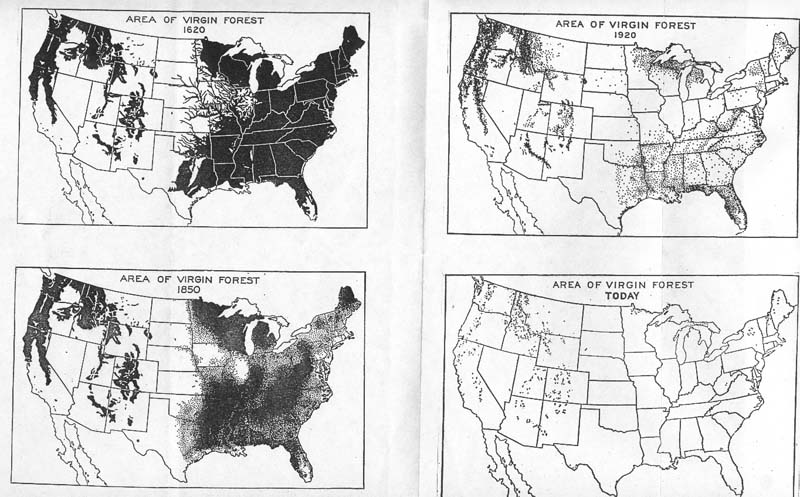



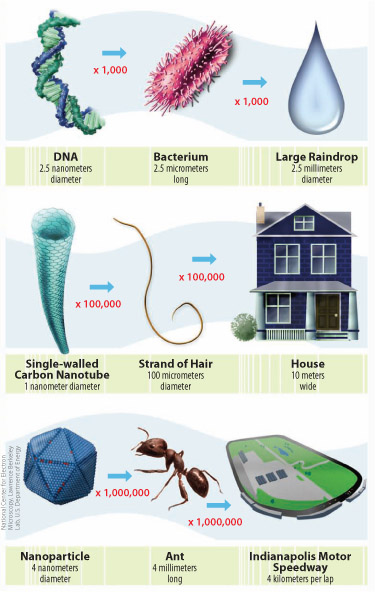








 OEcotextiles