Have you ever heard of the Easterlin Paradox? It is a theory developed in 1974, which goes something like this: Money makes you happier until you reach about an average income. After that, money’s affect on happiness is greatly reduced. But there are those who argue that “happiness” is a very imprecise science, so maybe Senator Bobby Kennedy (who might have known what he was talking about) might have gotten closer to the problem: “Gross Domestic Product measures everything…except that which makes life worthwhile.”
The government of Bhutan has been following a policy of Gross National Happiness since 1972, and French President Nicolas Sarkozy recently announced that happiness levels would be taken into account when measuring the country’s economic performance. Whether this happiness component is taken into consideration or not, there seems to be a paradigm shift from neoclassical to ecological economics now underway. Is it possible that there is a direct correlation between economics, ecology and happiness?
This new shift is typified by Tim Jackson and his new book, Prosperity Without Growth, which is a completely revised and updated version of the Sustainable Development Commission report of the same name. Tim Jackson is a Professor of Sustainable Development in the Centre for Environmental Strategy (CES) at the University of Surrey. Since January 2003, Tim has been employed at CES under a research fellowship on the ‘social psychology’ of consumer behavior. In the last twelve years he has pioneered the development of an ‘adjusted’ measure of economic growth – a ‘green GDP’ – for the UK. He is also an advisor to the UK government as a Commissioner on the Sustainable Development Commission and is an Associate of the New Economics Foundation. In other words, no lightweight.
Tim wrote an article last summer which appeared in Adbusters (and if you don’t know about Adbusters please check them out – they are working to change the “ way information flows, the way corporations wield power, and the way meaning is produced in our society”. It’s entitled “Thinking the Unthinkable”, based on Prosperity without Growth; it explores the point at which economic growth becomes uneconomic growth. The conclusions are disturbing. Charles Siegel of The Sierra Club says it should be required reading for everyone working to avoid ecological collapse (click here to read the review) . The article from Adbusters is reproduced below; the entire book will be available November 2 through Earthscan (www.earthscan.co.uk/pwg) or you can read the original report online at http://www.sd-commission.org.uk/publications.php?id=914:
Every society clings to a myth by which it lives. Ours is the myth of economic growth. For the last five decades the pursuit of growth has been the single most important policy goal across the world. The global economy is almost five times the size it was half a century ago. If it continues to grow at the same rate, the economy will be 80 times that size by the year 2100.
This extraordinary ramping up of global economic activity has no historical precedent. It’s totally at odds with our scientific knowledge of the finite resource base and the fragile ecology we depend on for survival. And it has already been accompanied by the degradation of an estimated 60% of the world’s ecosystems.
For the most part, we avoid the stark reality of these numbers. The default assumption is that – financial crises aside – growth will continue indefinitely. Not just for the poorest countries where a better quality of life is undeniably needed, but even for the richest nations where the cornucopia of material wealth adds little to happiness and is beginning to threaten the foundations of our well-being.
The reasons for this collective blindness are easy enough to find. The modern economy is structurally reliant on economic growth for its stability. When growth falters – as it has done recently – politicians panic. Businesses struggle to survive. People lose their jobs and sometimes their homes. A spiral of recession looms. Questioning growth is deemed to be the act of lunatics, idealists and revolutionaries.
But question it we must. The myth of growth has failed us. It has failed the two billion people who still live on less than $2 a day. It has failed the fragile ecological systems we depend on for survival. It has failed spectacularly, in its own terms, to provide economic stability and secure people’s livelihoods.
Today we find ourselves faced with the imminent end of the era of cheap oil; the prospect (beyond the recent bubble) of steadily rising commodity prices; the degradation of forests, lakes and soils; conflicts over land use, water quality and fishing rights; and the momentous challenge of stabilizing concentrations of carbon in the global atmosphere. And we face these tasks with an economy that is fundamentally broken, in desperate need of renewal.
In these circumstances, a return to business as usual is not an option. Prosperity for the few founded on ecological destruction and persistent social injustice is no foundation for a civilized society. Economic recovery is vital. Protecting people’s jobs – and creating new ones – is absolutely essential. But we also stand in urgent need of a renewed sense of shared prosperity. A commitment to fairness and flourishing in a finite world.
Delivering these goals may seem an unfamiliar or even incongruous task for policy in the modern age. The role of government has been framed so narrowly by material aims and hollowed out by a misguided vision of unbounded consumer freedoms. The concept of governance itself stands in urgent need of renewal.
But the current economic crisis presents us with a unique opportunity to invest in change. To sweep away the short-term thinking that has plagued society for decades. To replace it with policy capable of addressing the enormous challenge of delivering a lasting prosperity.
For at the end of the day, prosperity goes beyond material pleasures. It transcends material concerns. It resides in the quality of our lives and in the health and happiness of our families. It is present in the strength of our relationships and our trust in the community. It is evidenced by our satisfaction at work and our sense of shared meaning and purpose. It hangs on our potential to participate fully in the life of society.
Prosperity consists in our ability to flourish as human beings – within the ecological limits of a finite planet. The challenge for our society is to create the conditions under which this is possible. It is the most urgent task of our times.
Hi folks: I heard from Josh Jacobs, Technical Information Manager at GreenGuard about what they feel is misleading information in last weeks post about the fees charged by GreenGuard. I told them I’d publish their clarification, so here it is:
“Fees charged to participating manufacturer’s in the GREENGUARD Certification ProgramSM vary depending upon a couple of reasons; certification and testing. The certification fee takes into account company size and administrative, application and licensing fees. Testing, which is not conducted by the GREENGUARD Environmental Institute, but is required for certification, will also vary depending on the number of products a manufacturer is looking to have certified and the amount of testing that is needed. The fee that was mentioned in the prior blog post would typically include anywhere from five to more than 25 products and they would come from multiple manufacturing locations/facilities. Additionally, this would in most instances encompass tests that help categorize numerous products into similar product groupings and manufacturing reviews which are not applicable following the first year of certification.
We appreciate being mentioned alongside other credible third-party certification programs and standards and wanted to make sure that the textile industry understood that the entry fee for attaining GREENGUARD Certification is not as steep as has been published in other venues. We value O Ecotextiles efforts to distribute accurate information and their support of true third-party certifications. We thank them for the opportunity to speak with them regarding this misunderstanding in the marketplace.”
A new study focused on global water issues, commissioned by an international network of scientists, found that people around the world view water issues as the planet’s top environmental problem – greater than air pollution, depletion of natural resources, loss of habitat or climate change. (click here to read more on this study). That shouldn’t be too surprising, given the alarming statistics we’ve been hearing recently:
From World Water Day: “The world water crisis is one of the largest public health issues of our time. Nearly 1.1 billion people (roughly 20% of the world’s population) lack access to safe drinking water. Water is essential to the treatment of diseases, something especially critical for children. This problem isn’t confined to a particular region of the world. A third of the Earth’s population lives in “water stressed” countries and that number is expected to rise dramatically over the next two decades.”
3.575 million people die each year from water-related disease.
The water and sanitation crisis claims more lives through disease than any war claims through guns.
An American taking a five-minute shower uses more water than the typical person living in a developing country slum uses in a whole day
Given that the textile industry uses vast quantities of water – and is the #1 industrial polluter of fresh water on Earth – it is necessary that the industry at the very least institute water treatment at each and every mill so that the water returned to the ecosystem is safe and doesn’t cause harm. Currently the industry is adopting voluntary certifications which demonstrate to consumers what they are doing to protect the environment. Some certifications include standards for water treatment (such as GOTS, C2C, SMaRT) and some do not (such as Oeko-Tex, GreenGuard). But these certifications are voluntary, and water treatment is expensive. The market doesn’t yet know enough to demand safe fabrics, let alone better processing procedures. The industry is not adopting these standards quickly nor is there much discussion about water treatment by American textile mills. It is not enough. We are calling for a government mandate for water treatment (pH, temperature and COD and BOD content) at each mill in the United States with standards that really have teeth.
We recognize that industrial water pollution is only part of the problem – that the consumer piece of the equation (laundering) is important also. But the government cannot mandate how you launder your clothes – while it does have the power to change and monitor effluent levels from industry.
We have a made a Faustian bargain: we have exploited our natural resources and given up long term conservation for short term gain. I know it’s easy to point fingers after the fact, and it would have been unusual for anybody (including myself) to point out the folly of using up our limited resources when the gains from doing so were so great. But time is change, and we’re now facing different circumstances. It is not really even a question of whether we should do this or not, because our ability to act has been taken away – the water is simply disappearing. It’s not being replaced. We have to adapt to circumstances – and now the only question is “how”? Let me tell you a story.
There are generally two images of the Great Plains that most Americans of my generation keep in their minds. The first is that iconic black and white photograph by Arthur Rothstein of the 30’s Dust Bowl:
The second is of a swath of verdant farmland, ripe with wheat, corn, sorghum, soybeans and cotton – field after verdant field stretching to the horizon:
This startling change can be attributed to the Ogalala Aquifer, one of the largest aquifer systems in the world. Total water storage in the aquifer is about equal to that of Lake Huron, and it is the single most important source of water in the High Plains region, providing nearly all the water for residential, industrial and agricultural use. It is this water that transformed the Great Plains from a region of subsistence farming into one of the richest agricultural areas of the world – $20 billion per year in food and fiber depends on this aquifer. It stretches across all or portions of eight states and underlies 174,000 square miles. It lies relatively near the land surface in most of this area, and could almost always be counted on to yield water to a well drilled into it.
In the 1930s, people began to realize the potential of the vast water supply that lay beneath them. Irrigation of cropland began in earnest. And very little water conservation technology was available: lots of water was lost to evaporation and deep percolation; open, unlined ditches were used to transport the water to the fields; it wasn’t uncommon to have evaporation losses of 50%. Early settlers thought the water was inexhaustible.
It was not. And today we risk having the first image above superimposed again on the second. That is because the Ogalala Aquifer is being sucked dry.
Today, the Ogalala Aquifer is being depleted at a rate of 12 billion cubic metres a year – amounting to a total depletion to date of a volume equal to the annual flow of 18 Colorado Rivers.(1) Although precipitation and river systems are recharging a few parts of the aquifer, in most places “nature cannot keep up with human demands.” (2)
According to a major study just completed by Camp Dresser & McKee, a Boston engineering firm, 5.1 million acres of irrigated land (an area the size of Massachusetts) in six Great Plains states will dry up by the year 2020 ( that’s 10 years!), and millions of acres of irrigated acres will be lost across a 5-state area. Yet this drastic estimate, declares Herbert Grubb of the Texas department of water resources, is “20% too optimistic.”(3)
Ship Bright is a blog concerned with fresh water issues, and the post on October 12, 2009 (read it here) features a great description of the current situation, including what they call the “planned bankruptcy” caused by current water management strategies.
Farmers in the area are waking up to the fact that they will have to use less water – and this in the face of global warming predictions that the area served largely by the Ogalala Aquifer is predicted to be hotter and drier.(4)
One way to conserve water is to use more efficient irrigation systems, another way is to grow crops that require less water. Then there is “going dryland” – meaning using no irrigation at all. That requires using some techniques such as leaving stubble in the ground and planting a new crop in the residue. This not only reduces soil erosion but also decreases evaporation and catches more blowing snow than bare ground. It also reduces moisture loss by the equivalent of an inch or more of rainfall annually, and in an area that averages only 18 inches of rainfall per year that’s a lot.
These techniques have long been part of organic agriculture – growing what is appropriate for an area, using what is available. Many organic crops which do not use artificial fertilizers also have lower water requirements. There is some research going on into the suitability of cotton as a replacement for corn in this area, because cotton crops use less water than corn.
In addition, some farmers are looking into converting their land back to grasslands, which would provide wildlife habitat, and grazing land for cattle or even buffalo. (See our blog “Organic Agriculture and Climate Change” 7.29.09 and “Why does wool get such high embodied energy ratings”, 8.4.09). And once a national carbon market is established, farmers could sell credits for storing carbon in grassland soil. But the government doesn’t provide lucrative financial incentives for grassland conversion as it does for the production of corn or other commodities.
Once again, organic agriculture proves to be important, perhaps crucial, in our fight modify our water use and perhaps allow the Ogalala Aquifer to recharge.
(1) Little, J.B., “Saving the Ogalala Aquifer”, Scientific American “Earth 3.0”, Vol 19, No. 1, 2009
(2) Ibid.
(3) Stengel, Woodbury, Allis, “Environment: Ebbing of the Ogalala”, Time, May 10, 1982
(4)Bock, J., Bowman, W., Bock, C, “Global Change in the High Plains of North America”, Institute of Arctic and Alpine Research, University of Colorado, Great Plains Research, Vol.1, No. 2
Apparently Good Housekeeping now has a green seal of approval. UL laboratories, the safety test lab, also has it’s own green seal of approval. In fact, according to the new 2009 Conscious Consumer Report from BBMG, there are now over 400 different certifications related to “green” and environmental attributes of products and services. So many that such marks risk losing their effectiveness. Steven Colbert said that they now had a “Green Colbert Report” – they’re reducing their emissions by jumping on the bandwagon.
And like all comedy, it only hurts when we laugh. Since we’re all about textiles, let’s focus here. Do you even know what certifications pertain to textiles?
The market is absolutely rife with claims about organic cotton – and believe me, I have absolutely nothing against organic cotton. But the focus (by marketers and consumers alike) is that if it’s made of organic cotton, then the product is sustainable. That’s far from the truth. We like to use the analogy of “organic applesauce” – that is, if you take organic apples, then cook them with preservatives, emulsifiers, Red Dye #2, stabilizers and any number of other additives – do you end up with organic applesauce? Just like bread – which is made from wheat which is grown (maybe organically), harvested, ground into flour, mixed with milk, yeast, salt and maybe other things, then baked – fabric undergoes the same type of transformation. I mean, really, do you actually think that the cotton boll which you see in the picture is transformed into your blouse without some kind of serious work? What about oil? Think of crude oil and and your new sheets – what do you think has to have happened to that crude to make it acceptable for your bedroom?
So the certifications which are often used for fabrics have only to do with the FIBER, and not with the processing. The processing is environmentally damaging and results in fabric that contains many chemicals that seriously jeopardize our health. And often a product is advertised as being an “organic fabric” when what they mean is the fabric started out with organic fibers – but the processing, like the organic applesauce mentioned above, results in fabric that contains a high proportion, by weight, of synthetic chemicals (such as lead or mercury, formaldehyde, chlorine, or phthalates).
Besides the proliferation of certifications, further muddying of the waters happens because some of the certification agencies which can certify fabric ALSO certify fiber. In other words, each end product can be certified. So if we deconstruct a piece of fabric, we can have certification at each stage: (1) growing and harvesting of organic fibers (2) ginning or other preparation of the fibers to make them suitable for use in spinning; (3) spinning of the fibers into yarns; (4) weaving of the yarns into fabric and (5) final product (i.e., blouse, tablecloth, etc.). Makes you dizzy doesn’t it?
It’s quite common to find “organic cotton” fabrics in the market – in other words, fabrics made of organic fibers. Or at least, the claim is that the fibers are organic. Unless they are certified organic fibers, the claim is meaningless: there are no standards for calling a natural fiber “organic” since by definition they are organic – because the definition of “organic” is “of, relating to, or derived from living organisms.” There is a big difference between a fabric or product which claims to be “organic” and one that claims to be “certified organic”. So it is important to look for the certification and ask who certified the fibers (if they don’t display that information). Believe me, if a company has gone to the trouble and expense of certifying their fibers, they will definitely have the information of who did the certification!
Common certification agencies for fibers include:
United States Department of Agriculture, National Organic Program
Soil Association Certification Limited (SA Certification) is the UK’s largest organic certification body. It’s also the only certification body linked to a committed charity, promoting organic food and farming.
OneCert: OneCert provides organic certification worldwide. Certification and inspection programs include the US National Organic Program (NOP), European Organic Regulations (EU 2092/91), Quebec Organic Standards (CAQ), Japan Agricultural Standards (JAS), IFOAM, and Bio Suisse. Services include organic certification, organic inspection, export certificates, transaction certificates, on-line record keeping, answers to certification questions, and presentations of organic topics.
Control Union (Skal): Control Union is a global one-stop-shop for a range of certification programs, including organic fibers. It certifies to the standards of
AB logo
Bio Suisse
Canada Organic Regime
EU organic
Japanese Agricultural Standards
Naturland inspections
NPOP
Polish EU organic
USDS/NOP
The Institute for Marketcology (IMO): IMO is one of the first and most renowned international agencies for inspection, certification and quality assurance of eco-friendly products. Its world-wide activities are accredited by the Swiss Accreditation Service (SAS) according to EN 45011 (ISO 65), which is the international standard for certification. IMO offers certification for organic production and handling according to the European Regulation (EU) Nr. 2092/91.
The certifications above verify that the fibers have been grown and harvested to organic standards set forth by the various standards. But they do not deal in any way with the processing of the fibers into fabric.
There exist several third party certifications which we think every conscious consumer of fabric should be aware. We should all know what the certification does – and doesn’t – cover: Oeko-Tex, GOTS, C2C, GreenGuard, Global Recycle Standard and SMART.
Before giving a summary of the main points of each of the certifications which deal with fiber processing (i.e., weaving), it’s important to note that these certifications are all in business – it costs money to achieve the certification – sometimes it costs a LOT of money. Like organic designations in food, some farmers, for example, grow hemp sustainably (because they can). But because there isn’t a robust market yet for hemp they don’t want to spend the money for the certification to show it as organic. Cradle to Cradle and GreenGuard can cost up to $30,000 per product for certification, so when you look on the web sites for these certifications, you see only large, well established companies who can afford to pay the certification costs. In addition to these certifications, there are many new “green guides” on the internet which purport to list green products. A basic listing may be free, but any additional bells and whistles costs money. So prominently featured green products may be specially featured because the manufacturer has paid for the spotlight.
List of certifications:
GreenGuard (www.greenguard.org). GreenGuard is not designed specifically for fabrics, but it is often advertised that a fabric is GreenGuard certified. GreenGuard has developed proprietary indoor air-quality pollutant guidelines based on government and industrial bodies. Those products that pay the testing fee and pass muster earn the right to call themselves GreenGuard certified. It was launched in 2000 by Atlanta-based for profit Air Quality Sciences (AQS), which is now a separate not for profit organization.
GreenGuard tests for the emitting chemicals coming from a product; that means it tests only for evaporating chemicals, chemicals which are a gas at room temperature. And that is all GreenGuard does – it does not look at the production of the fabric, or any social justice issues nor does it look at carbon footprint.
And GreenGuard, by measuring only emitting chemicals, is significant for what it does not measure:
It does not measure any of the heavy metals (lead, mercury, copper, etc.)
It does not measure PVC, which is a polymer and therefore not volatile
It does not measure phthalates (except in the Children and Schools certification); phthalates are semi volatile, and don’t begin to evaporate until approximately 7 days after exposure to the air.
Oeko Tex (www.oeko-tex.com): founded to provide an objective and reliable product label for consumers and a uniform safety standard for the assessment of harmful substances in fabrics. Its aim is to ensure products are free of harmful substances.
The Oeko-Tex Standard 100 excludes harmful substances or limits their use. The following parameters form part of the Oeko-Tex list of criteria:
Specifically banned
AZO dyes*
Carcinogenic and allergy-inducing dyes
Formaldehyde*
Pesticides
Chlorinated phenols
Chloro-organic benzenes and toluenes
Extractable heavy metals
Phthalates* in baby articles
Organotin compounds (TBT and DBT
Emissions of volatile components
Biologically active products and flame-retardant products are regulated separately. Oeko Tex is a registered trademark. Make sure that the test number is quoted and the test institute is named as shown on the logo above.
This certification does not look at the processing or manufacturing (whether wastewater is treated, for example, or renewable energy is used to power the mill) – it is solely concerned with the final product. There are also no social requirements.
Cradle to Cradle (www.c2ccertified.com) : primarily it certifies that the product uses environmentally safe and healthy materials – however the list of what is considered safe is proprietary so we have to take their word for it. In other words: they’re not transparent. C2C certifies just the product, without looking at how it is installed or used. It has an energy, water and social responsibility component.
Cradle to Cradle’s strength is in material chemistry. All ingredients in a product are identified down to 100 parts per million (ppm) and assessed according to 19 human and environmental health criteria:
C2C Human and Environmental Health Criteria
Human Health:
Environmental Health
Carcinogenicity
Fish Toxicity
Endocrine Disruption
Algae Toxicity
Mutagenicity
Daphnia Toxicity
Reproductive Toxicity
Persistence/ Biodegradation
Teratogenicity
Bioaccumulation
Acute Toxicity
Ozone Depletion/ Climatic Relevance
Chronic Toxicity
Material Class Criteria
Irritation
Content of Organohalogens
Sensitization
Content of Heavy Metals
All ingredients are rated: green, yellow, red (which has been ascertained to be toxic) or grey (incomplete data, handled like a red). To achieve Gold and Platinum levels, a product cannot contain any ingredients classified as RED – unless there are no existing substitutes. MBDC developed this database and it is not available to outsiders.
All ingredients are classified as either a technical or biological nutrient: published C2C literature doesn’t define “recyclable” or “compostable” but MBDC uses European Union guidelines for biodegradability, and Federal Trade Commission (FTC) guidelines for recyclability. FTC guidelines require an established recycling pathway.
For the energy component, it focuses on the manufacturer’s use of renewable energy in production. Manufacturers need to use renewable energy for the product’s manufacture to achieve Gold certification, and for the energy used in the product’s entire supply chain to achieve Platinum. Renewable energy may be purchased on site or purchased thru energy credits.
Certification requires that companies work to preserve the quality and supply of water resources; implementation of these guidelines is required for Platinum.
Manufacturers must adopt corporate ethics and fair labor statements
However, it’s easy to confuse the ideals and philosophy of the founders with the actual requirements for certification. For example, a C2C Silver doesn’t guarantee that a product is free of all red ingredients; the only “knockout” chemical at Silver is PVC. There is no report card for consumers that details what a certified product does or does not include.
In addition, nutrients may not be returned to technical or biological cycles as described: the minimum requirement for certification is that a product be 67% recyclable or biodegradeable. But even a 100% recyclable product may not be able to return to either the technical or biological nutrient cycle.
MBDC certifies just the product, without looking at how it is installed or used. HYCRETE (an additive to make concrete waterproof) is an example of how misleading this can be – when used as intended, HYCRETE is not biodegradeable and cannot be recycled by any established process. Yet the product can degrade – if you accidentally spill a five gallon bucket into a local stream, it’s going to degrade and isn’t going to do any harm. Yet if used as intended it can neither biodegrade nor be recycled.
C2C criteria does not refer to manufacturing byproducts or the waste and energy use associated with resource extraction (such as is the case with polyester). Also the energy and water use standards focus on manufacturing, leaving out the energy and water consumption that results from use of the product.
EXAMPLE: Kynar (coating on Formawall panels): uses fluoropolymer in mfring process which releases PFOA (bioaccumulative and likely carcinogen). But the PFOA slips thru the C2C assessment since it’s not a product ingredient.
Finally, some say that C2C is not true third party certification, but rather a second party program since MBDCs primary business is consulting with manufacturers,
IN SUMMARY: C2C is distinguished by inspiring ecological thinking, affiliation with respected thought leaders and idealism. But it is complicated by a lack of transparency and gaps in underlying criteria; lack of boundaries between the C2C standards developing body, C2C certification body and the MBDC consulting body.
They’re revising it now, but historically they have not looked at carbon footprint.
For more on C2C, see the article “Cradle to Cradle Certification: A Peek Inside MBDC’s Black Box”, which appeared in Environmental Building News, February 2007
GOTS aims to define a universal standard for organic fibers—from harvesting the raw materials, through environmentally and socially responsible manufacturing, to labeling—in order to provide credible assurance to consumers. Standards apply to fiber products, yarns, fabrics and clothes and cover the production, processing, manufacturing, packaging, labeling, exportation, importation and distribution of all natural fiber products, GOTS provides a continuous quality control and certification system from field to shelf. There are also social responsibility components (i.e., fair wages, no forced or bonded labor, etc.) All parameters are listed and accessible. The GOTS parameters for materials include prohibitions or restrictions on:
Aromatic solvents
Chloro Phenols (TCP, PCP)
Complexing agents (APEO)
Formaldehyde and short chain aldehydes
Fungicides and biocides
Halogenated solvents
Heavy metals
Ammonia treatment
There are detailed social criteria: no forced or bonded labor; workers are not required to lodge “deposits” or identity papers with employer; no child labor; workers are free to leave after reasonable notice; working conditions are safe and hygenic.
Wastewater treatment includes measurement and monitoring sediment quantities, waste water temperature and waste water pH. Wastewater from wet-processing sites (except greasy wool scouring sites and flax retting sites) must, when discharged to surface waters after treatment, have a COD content of less than 25 g/kg of textile output expressed as an annual average. If the effluent is treated on site and discharged directly to surface waters, it must also have an pH between 6 and 9 (unless the pH of the receiving water is outside this range) and a temperature of less than 40C° (unless the temperature of the receiving water is above this value). The COD/BOD ratio must be≤ 5. The copper content must not exceed 0,5 mg/l.
The GOTS certification applies to only natural fibers, it cannot be applied to polyester or other synthetic fibers.
SMaRT Sustainable Products Standard (www.sustainableproducts.com): based on transparency, using consensus based metrics and life-cycle analysis. They also have in place rules which prevent industry trade association dominance so they can move substantially beyond the status quo. Renewable energy and conventional energy reduction are specified.
Environmental, social and economic performance criteria are defined and quantified In areas such as:
Acid Rain
Smog
Climate change
Habitat alteration
Ozone depletion
Fossil fuel depletion
Criteria and indoor air pollutants
Water pollutants water intake
Solid and hazardous waste
The Sustainable Textile Standard incorporates procedures and protocols established in the following sustainability standards, thereby eliminating both redundancies and potential inconsistencies:
SMART has a certification specifically for textiles called the Smart Sustainable Textile Standard. For textiles it requires 1300 chemicals be tracked and addressed; it is also transparent (i.e., nothing is proprietary or hidden in their requirements or in decision making). Confers multiple achievement levels.
The Global Recycle Standard (www.certification.controlunion.com): This brand new standard was developed to help verify claims regarding recycled products. The Gold level requires products to contain 95 – 100% recycled material; Silver requires 70 – 95% and Bronze contains a minimum of 30%. The definition of “recycled” under this standard is based on criteria already laid down by Scientific Certification Systems. In addition, the standard contains environmental processing criteria and strick raw material specification (water treatment and chemical use is based on GOTS and Oeko-Tex 100) and social responsibility is incorporated – which ensures workers health and safety and upholds workers rights in accordance with International Labor Organisation (ILO) criteria.
Paul Hawken gave the commencement address to the University of Portland graduates this past June. I think it’s pretty special. Please take the time to read it, posted below:
When I was invited to give this speech, I was asked if I could give a simple short talk that was “direct, naked, taut, honest, passionate, lean, shivering, startling, and graceful.” No pressure there.
Let’s begin with the startling part. Class of 2009: you are going to have to figure out what it means to be a human being on earth at a time when every living system is declining, and the rate of decline is accelerating. Kind of a mind-boggling situation… but not one peer-reviewed paper published in the last thirty years can refute that statement. Basically, civilization needs a new operating system, you are the programmers, and we need it within a few decades.
This planet came with a set of instructions, but we seem to have misplaced them. Important rules like don’t poison the water, soil, or air, don’t let the earth get overcrowded, and don’t touch the thermostat have been broken. Buckminster Fuller said that spaceship earth was so ingeniously designed that no one has a clue that we are on one, flying through the universe at a million miles per hour, with no need for seatbelts, lots of room in coach, and really good food—but all that is changing.
There is invisible writing on the back of the diploma you will receive, and in case you didn’t bring lemon juice to decode it, I can tell you what it says: You are Brilliant, and the Earth is Hiring. The earth couldn’t afford to send recruiters or limos to your school. It sent you rain, sunsets, ripe cherries, night blooming jasmine, and that unbelievably cute person you are dating. Take the hint. And here’s the deal: Forget that this task of planet-saving is not possible in the time required. Don’t be put off by people who know what is not possible. Do what needs to be done, and check to see if it was impossible only after you are done.
When asked if I am pessimistic or optimistic about the future, my answer is always the same: If you look at the science about what is happening on earth and aren’t pessimistic, you don’t understand the data. But if you meet the people who are working to restore this earth and the lives of the poor, and you aren’t optimistic, you haven’t got a pulse. What I see everywhere in the world are ordinary people willing to confront despair, power, and incalculable odds in order to restore some semblance of grace, justice, and beauty to this world. The poet Adrienne Rich wrote, “So much has been destroyed I have cast my lot with those who, age after age, perversely, with no extraordinary power, reconstitute the world.” There could be no better description. Humanity is coalescing. It is reconstituting the world, and the action is taking place in schoolrooms, farms, jungles, villages, campuses, companies, refuge camps, deserts, fisheries, and slums.
You join a multitude of caring people. No one knows how many groups and organizations are working on the most salient issues of our day: climate change, poverty, deforestation, peace, water, hunger, conservation, human rights, and more. This is the largest movement the world has ever seen. Rather than control, it seeks connection. Rather than dominance, it strives to disperse concentrations of power. Like Mercy Corps, it works behind the scenes and gets the job done. Large as it is, no one knows the true size of this movement. It provides hope, support, and meaning to billions of people in the world. Its clout resides in idea, not in force. It is made up of teachers, children, peasants, businesspeople, rappers, organic farmers, nuns, artists, government workers, fisherfolk, engineers, students, incorrigible writers, weeping Muslims, concerned mothers, poets, doctors without borders, grieving Christians, street musicians, the President of the United States of America, and as the writer David James Duncan would say, the Creator, the One who loves us all in such a huge way.
There is a rabbinical teaching that says if the world is ending and the Messiah arrives, first plant a tree, and then see if the story is true. Inspiration is not garnered from the litanies of what may befall us; it resides in humanity’s willingness to restore, redress, reform, rebuild, recover, reimagine, and reconsider. “One day you finally knew what you had to do, and began, though the voices around you kept shouting their bad advice,” is Mary Oliver’s description of moving away from the profane toward a deep sense of connectedness to the living world.
Millions of people are working on behalf of strangers, even if the evening news is usually about the death of strangers. This kindness of strangers has religious, even mythic origins, and very specific eighteenth-century roots. Abolitionists were the first people to create a national and global movement to defend the rights of those they did not know. Until that time, no group had filed a grievance except on behalf of itself. The founders of this movement were largely unknown — Granville Clark, Thomas Clarkson, Josiah Wedgwood — and their goal was ridiculous on the face of it: at that time three out of four people in the world were enslaved. Enslaving each other was what human beings had done for ages. And the abolitionist movement was greeted with incredulity. Conservative spokesmen ridiculed the abolitionists as liberals, progressives, do-gooders, meddlers, and activists. They were told they would ruin the economy and drive England into poverty. But for the first time in history a group of people organized themselves to help people they would never know, from whom they would never receive direct or indirect benefit. And today tens of millions of people do this every day. It is called the world of non-profits, civil society, schools, social entrepreneurship, non-governmental organizations, and companies who place social and environmental justice at the top of their strategic goals. The scope and scale of this effort is unparalleled in history.
The living world is not “out there” somewhere, but in your heart. What do we know about life? In the words of biologist Janine Benyus, life creates the conditions that are conducive to life. I can think of no better motto for a future economy. We have tens of thousands of abandoned homes without people and tens of thousands of abandoned people without homes. We have failed bankers advising failed regulators on how to save failed assets. We are the only species on the planet without full employment. Brilliant. We have an economy that tells us that it is cheaper to destroy earth in real time rather than renew, restore, and sustain it. You can print money to bail out a bank but you can’t print life to bail out a planet. At present we are stealing the future, selling it in the present, and calling it gross domestic product. We can just as easily have an economy that is based on healing the future instead of stealing it. We can either create assets for the future or take the assets of the future. One is called restoration and the other exploitation. And whenever we exploit the earth we exploit people and cause untold suffering. Working for the earth is not a way to get rich, it is a way to be rich.
The first living cell came into being nearly 40 million centuries ago, and its direct descendants are in all of our bloodstreams. Literally you are breathing molecules this very second that were inhaled by Moses, Mother Teresa, and Bono. We are vastly interconnected. Our fates are inseparable. We are here because the dream of every cell is to become two cells. And dreams come true. In each of you are one quadrillion cells, 90 percent of which are not human cells. Your body is a community, and without those other microorganisms you would perish in hours. Each human cell has 400 billion molecules conducting millions of processes between trillions of atoms. The total cellular activity in one human body is staggering: one septillion actions at any one moment, a one with twenty-four zeros after it. In a millisecond, our body has undergone ten times more processes than there are stars in the universe, which is exactly what Charles Darwin foretold when he said science would discover that each living creature was a “little universe, formed of a host of self-propagating organisms, inconceivably minute and as numerous as the stars of heaven.”
So I have two questions for you all: First, can you feel your body? Stop for a moment. Feel your body. One septillion activities going on simultaneously, and your body does this so well you are free to ignore it, and wonder instead when this speech will end. You can feel it. It is called life. This is who you are. Second question: who is in charge of your body? Who is managing those molecules? Hopefully not a political party. Life is creating the conditions that are conducive to life inside you, just as in all of nature. Our innate nature is to create the conditions that are conducive to life. What I want you to imagine is that collectively humanity is evincing a deep innate wisdom in coming together to heal the wounds and insults of the past.
Ralph Waldo Emerson once asked what we would do if the stars only came out once every thousand years. No one would sleep that night, of course. The world would create new religions overnight. We would be ecstatic, delirious, made rapturous by the glory of God. Instead, the stars come out every night and we watch television.
This extraordinary time when we are globally aware of each other and the multiple dangers that threaten civilization has never happened, not in a thousand years, not in ten thousand years. Each of us is as complex and beautiful as all the stars in the universe. We have done great things and we have gone way off course in terms of honoring creation. You are graduating to the most amazing, stupefying challenge ever bequested to any generation. The generations before you failed. They didn’t stay up all night. They got distracted and lost sight of the fact that life is a miracle every moment of your existence. Nature beckons you to be on her side. You couldn’t ask for a better boss. The most unrealistic person in the world is the cynic, not the dreamer. Hope only makes sense when it doesn’t make sense to be hopeful. This is your century. Take it and run as if your life depends on it.
From last week’s post, you’ll remember we explained that GMO crops (to date) do not fulfill their promise:
They do not decrease hunger and poverty;
Data shows that GMO crops actually increase pesticide and herbicide use;
They do not yield more; in a new report from the Union of Concerned Scientists, Failure to Yield, data shows that despite 20 years of research and 13 years of commercialization, genetic engineering has failed to significantly increase U.S. crop yields. In fact data points to possibly lower yields than would have been achieved by NOT using GMO seed.
But I still didn’t understand what the fuss is all about. After all, companies have been making claims for products forever. Shouldn’t the product just die by way of non-purchase? Why should governments get involved and prohibit the use of GMO seeds? Why are the organic trade associations around the world in such an uproar?
After all, the promise of genetic engineering is very powerful – to be able to feed the world as populations increase and agricultural land gets squeezed. James McWilliams, an associate professor at Texas State University, says that genetic engineering is “a hidden realm of opportunity to feed the world’s impending 9 billion a diet produced in an environmentally responsible way.” Time Magazine reported in September, 2009 that a scientist at Texas A & M University has discovered a way to remove the gossypol (a naturally occurring toxic chemical that protects the plant from infestation) from cottonseeds. Today cottonseeds can be used for humans only after an extensive refining process to remove the gossypol. Also in the works are crops that can produce higher yields with less water; a dust from genetically modified ferns that can remove heavy metals from the soil; crops that can withstand drought or high salt content in soil; and other GM technologies that “have the potential not only to streamline production, but to play a meaningful role in reducing their carbon footprint.”(1) Sounds pretty good to me.
In the United States, we haven’t heard much about genetic engineering, because in 1992, the
FDA unilaterally decided (in its opinion) that as long as a GM food is no more toxic, allergenic, or any less “substantially equivalent” than its standard counterpart, it need not be labeled to show the process that created it. That is quite different from the European labeling laws, introduced in 1997, which required that any food containing residues of engineered DNA or protein must be recorded as GM.
So what is it about genetic engineering that has these other governments and organizations so concerned? Part of the problem may be that the scientific community does not like the unknown, and it seems to have not reached a consensus on the safety of these products for our health or for the environment, although it’s hard to determine what interests are behind which studies.
These areas of concern, in addition to those of the plants developing increasing tolerances to pesticides and herbicides, include :
The concept of “drift”: that is, pollen from genetically engineered plants will spread by insects and the winds to affect non-GMO plants. (After all, a bee can travel up to 30 km or more.) This contaminates both conventional and organic fields. And farmers or food processors lose money because of unwanted contamination. The Organic Trade Association of Canada recently reported the discovery of contaminated flax seed in some German food products; native corn in Mexico (where it is illegal to plant genetically engineered corn) was reported to have new GM genes found in the genome, where they could interfere with the plant’s normal genes.(2) “It’s time for biotech companies to be good parents and take responsibility for their children. The owners of GE crops need to assume the liability for loss of market access due to their technologies appearing in countries or products in which they are not wanted. As GE products are not permitted under organic standards, the organic sector in Canada is extremely concerned by the prospect of losing access to its essential markets in Europe, Asia and around the world,” said Matthew Holmes, managing director of OTA in Canada. According to the U.S. Organic Trade Association, “Bt contamination is a trespass, a nuisance, unwanted, and can lead to significant economic losses for organic farmers. This is a clear example of potentially disastrous environmental degradation, with the added problem that consumers seeking products that contain no genetically engineered materials may be denied this choice because of inadvertent contamination.”
Concerns regarding human health: These are classed into those that fall under “unknown effect on human health” and allergenicity. With regard to unknown effects, a study published by the Austrian government found that mice fed a type of genetically engineered corn produced fewer offspring and more females with no offspring, than mice fed conventional corn. The effects were particularly pronounced in the third and fourth litters, after the mice had eaten the GE corn for a longer period of time. Another study published in Lancet claimed that there are appreciable differences in the intestines of rats fed genetically engineered potatoes and those fed unmodified potatoes.(3) The milk from cows injected with genetically engineered bovine growth hormone rBGH (sometimes called rBST) has been found to have much higher levels of IGF-1, a hormone considered to be a high risk factor for breast, prostate, colon, lung and other cancers – and the milk has lowered nutritional value! (4).“This … should serve as a wake-up call to governments around the world that genetically engineered foods could cause long-term health damage,” said Andrew Kimbrell, Executive Director of the Center for Food Safety. With regard to allergenicity, there is the possibility that introducing a gene into a plant may cause a new allergen or cause an allergic reaction in susceptible individuals. When DNA from one organism is spliced into another, can it turn a non-allergenic food into one that will cause an allergic reaction in some people?
Concerns regarding agricultural diversity: The 1st conference on animal and plant breeding of the International Federation of Organic Agricultural Movements (IFOAM) was held in August, 2009. Speakers at the conference made it clear that we are in a battle to save the diversity of today’s food in order to have future food. According to Vandana Shivam, who spoke at the conference, unprecendented weather is occurring in India with the disruption of life-giving monsoons which used to appear as regularly as clockwork. Farmers growing GMO rice could not plant their seedlings because of lack of rain, while farmers who had access to heirloom drought-tolerant varieties were able to plant and get a crop. Traditional farming used to include over 250 crops. Now there are a mere 2 crops. Community seed banks are springing up around India to preserve traditional varieities, and “freedom villages” are forming to prohibit GMOs because of their threat to traditional seeds. You can learn more about the situation in India by reading “Stop the Biopiracy of Climate Resilient Crops” by clicking here. The Wall Street Journal ran an article on how organic farming, even with reduced yields, is more profitable for Indian farmers than conventional crops, because the farmers no longer are subjected to high up front costs for chemical fertilizers and insecticides, and they can save seeds from year to year.
Concerns regarding the safety of wildlife in the surrounding areas of GM crops: A major study performed by the British government and published by the Royal Society, found that GM crops had 33% fewer seeds for birds to eat at the end of the season, and even two years later there were still 25% fewer seeds. As the study puts it: “While reduction or removal of the visible flora temporarily reduces the food available to farmland animals, the key to longer-term impacts is the ‘seed rain’ (seeds falling from weeds) and its contribution to the seedbank (weed seeds left in soil).” (5) They concluded that over time this would have a dramatic impact on the bird populations which are dependent on these seeds. There are also fewer bees, beetles, butterflies and other insects in the GM crops. Such invertebrates are food for mammals, birds and other animals, and many are important for controlling pests or recycling nutrients within the soil.
Concerns regarding the use of Bt crops and organic agriculture: Bt is often used in organic agriculture; it is an excellent biological control for corn and cotton insect pests. It is the most widely used biological control in organic agriculture. But Bt engineered plants will lead quickly to significant insect resistance, depriving organic farmers of one of their most useful tools.
Concerns regarding the business of corporate agriculture: Many are concerned that farmers are turning dependent on large multinational corporations (MNCs) for seeds, fertilizers, pesticides and other inputs while also becoming more vulnerable to pressures to produce genetically engineered crops. They fear the predatory nature of corporate agriculture and its attempts to corner the entire chain of food production from seeds to sales of food products. Three companies — Cargill, Archer Daniels and Bunge — control nearly 90 per cent of global grain trade while DuPont and Monsanto dominate the global seed market. Eleven firms account for about half the world sales of seeds, of which about a quarter are sales of genetically engineered seeds. (6) And agrichemical sales are concentrated in 6 firms which together control 85% of the annual pesticide market. (7) The research into GMO crops is very expensive, meaning only large, well funded companies can afford the research. It’s this last concern, that of “vertical integration” (i.e., a corporation taking over the entire food production cycle from the development of proprietary strains of DNA and the sales of seeds to farmers down to contracts with farmers that determine what is produced, how and for whom, and at what price and quality), that I want to focus on.
In an equity research paper done by Deutsche Banc of DuPont in 1999, they stated that they were willing to believe that GMOs were safe and “may provide a benefit for the environment” but that the perception wars are being lost by the industry. “Not a day goes by lately where concerns and/or rebuttals are not in the press somewhere in the world. Domestic concerns regarding agbiotechnology are clearly on the rise, with the Monarch butterfly but one example of negative press causing a rethink of the future. For the most part, though, it has not yet gotten the attention of the ordinary U.S. citizen, but when it does – look out.”
The corporations which have so much at stake here know that they need a more aggressive marketing technique to promote the impression that GMOs are good and safe to use. Agrichemical lobbyists are trying to convince the public that the industry is “science-based”. A new global federation of agrichemical multinational corporations, Crop Life International, is the new representative of the “plant science industry”. Crop Life’s annual report for 2007 makes the breathtaking claim that pesticides are actually good for the environment for a host of reasons, including “lower carbon dioxide emissions associated with the switch to no-till/reduced tillage farming systems, and less frequent pesticide applications made possible by biotech crops fuel savings.”
The agrichemical companies are vertically integrated, based on the law of efficiency similar to economies of scale which favors big corporations. Antonio Tujan, Jr., international director of the Ibon Foundation Inc. (a research and educational institution specializing in socio-economic issues) says that “integration destroys the free market as it becomes increasingly dominated by the giants, which are able to dictate profits and what is produced.” This turns the market into a sellers’ market, and farmers have little or no choice. Farmers are forced to accept whatever they are asked to use such as seeds and pesticides. A democratic market, in contrast, is a consumers’ market.
The big companies have a lot at stake, and the squabbling and double dealing – not to mention lawsuits and counter suits – are worthy of a good thriller. Monsanto, after years of acquiring seed companies while trying to become the major seed producer in the world, filed a lawsuit in the spring accusing DuPont of patent infringement; DuPont countersued saying Monsanto wanted to protect its franchise at the expense of giving farmers access to better technology. But in June, DuPont sued BASF over the same kind of alleged violations Monsanto sued it for in the spring – and of course, BASF countersued!
A more disturbing set of statistics is the number of lawsuits that Monsanto has filed against farmers who are accused of violating its patents. It has built a department of 75 employees and set aside an annual budget of $10 million for the sole purpose of investigating and prosecuting farmers for patent infringement. For cases with recorded judgments, farmers have paid a mean of $412,259.54. (Click here to read the entire report.) The table below gives the number of cases by year:
Number of Lawsuits by Year
Source: The Center for Food Safety, January 2005
According to Tom Wiley, a North Dakota farmer, farmers are being sued for having GMOs on their property that they “did not buy, do not want, will not use and cannot sell.”
This just in: Monsanto announced on August 13 that it would be raising prices for its genetically modifed seeds from 17% to 42% – saying that these new seeds will boost yields; this is part of the company’s drive to double profits by 2012. (8)
(1) Brandon, Hembree, “GMO rejection – ‘Fatal rush to judgment'”, June 3, 2009, Southeast Farm Press
(3) “Effect of diets containing genetically mofidied potatoes expressing Galanthus nivalis lectin on rat small intestine”, Lancet, Vol 354, No 9187, pp 1353-1354, Oct 1999
The Global Organic Textiles Standard (GOTS) prohibits all “genetically modified organisms (GMO’s) and their derivatives”. According to the Organic Exchange, none of the organic growing standards established by any government allows for GMO crops. In April, 2009, Germany announced a plan to ban all GMO crops in the country, citing concerns of the environmental impact, making Germany the latest in a string of EU countries to outlaw GMO crops. And during a public comment period in 2000, the Organic Trade Association generated 275,000 letters against GMOs being included in the National Organic Program (NOP).
Why the fuss? After all, GMO crops were developed to help us meet the demands our burgeoning population makes on our limited resources. How can that be bad?
Genetically modified organisms (GMO) are plants, animals and microorganisms which have been altered genetically. Here’s how the National Orgtanic Standards Board puts it: “Genetically engineered is defined as: made with techniques that alter the molecular or cell biology of an organism by means that are not possible under natural conditions or processes. Genetic engineering includes recombinant DNA, cell fusion, micro-and macro-encapsulation, gene deletion and doubling, introducing a foreign gene, and changing the positions of genes.”(1)
The benefits of genetic engineering in the agriculture sector is great, according to its proponents. GMO crops have been hailed as a way to increase yields by protecting against pests, drought and disease. The Food and Agriculture Organization (FAO) of the United Nations has put forward the arguments for GMOs in agriculture, (such as increased yields and better resistance to pests and other stresses – which reduces dependence on chemicals needed for crop protection. They also list the arguments against GMO crops. There is great debate about the pros and cons of this relatively new product.
But before looking at some of the reasons so many are opposed to genetic engineering, let’s look at the issues pertaining to fiber crops only – and to cotton specifically:
Shortly after GMO cotton was introduced, GMO cotton producers, citing advances based on new GMO cotton and supported by a series of Cotton Incorporated conferences on sustainable cotton, portrayed conventional cotton as the new “sustainable” choice and organic cotton as an old and inadequate solution that is “as out-dated as last year’s fashions.” (Editor’s note: They also redefined the term “sustainable” to include “growing profitability.”)
GMO cotton was quickly adopted by cotton farmers, and millions of hectares of GMO modified cotton has been planted worldwide since its introduction in 1996.
Why did so many farmers pay for GMO seed – which cost more – and plant this new crop? Bottom line: they were told that there was more money to be made from GMO cotton. GMO cotton was supposed to have higher yields at the same time it was helping to reduce costs. Cost savings in chemicals and manual labor was estimated at between 15 – 30%. How did it reduce dependence on chemicals:
GMO cotton was engineered to reduce insect pests so farmers could reduce their chemical dependence on pesticides, and buy less of them. The gene coding for Bacillus Thuringiensis (Bt) was inserted into the cotton. Bt is a protein that acts as a natural toxin to the larvae of certain moths, butterflies, beetles and flies (including the dred bollworm) and is harmless to other forms of life. When the larvae feed on the cotton they are killed by the Bt protein – thereby eliminating the need for a broad spectrum insecticide.
GMO cotton was designed to be resistant to herbicides so that weed killers could be liberally sprayed on crops without worrying about killing the cotton plants. It was genetically modified to be resistant to glyphosate (marketed as Roundup in the USA and manufactured by Monsanto – remember this fact) which is a broad-spectrum herbicide, and toxic to humans at concentrations far below the recommended agricultural use levels. (2) Studies link glyphosate to spontaneous abortions, non-Hodgkins lymphoma, and multiple myeloma.
Not only could they make more money, but GMO cotton crops were also promoted as helping tackle world hunger and poverty, and helping small farmers. If you were a cotton farmer, how could you resist? They didn’t: Today 86% of all United States cotton, 68% of all Chinese cotton, and 76% of all Indian cotton (three of the major cotton growing countries) is now GMO cotton. (3)
Initial results seemed that all they promised was true – early studies in 2002/2003 reported that pesticide and herbicide use was down and yields were up (by as much as 80%) for GMO cotton (4). But these results were short lived. Recent reports are full of data on GMO crops requiring ever more doses of chemical pesticides and herbicides to control pests which are mutating faster than even their worse case scenarios had envisioned, and becoming resistant to the genetic modifications found in GMO cotton. A study published by the Institute for Science in Society reports that Bt cotton fields rarely have studies done on what the crops do to the soil itself; they found that soil growing Bt cotton had significantly fewer beneficial soil enzymes in the soil (which makes nutrients available to plants) and total biomass was reduced 8.9%. This, they conclude, could even lead to dead soils, unable to produce food.
What about the promise of reduced chemical dependence on pesticides and herbicides?
It was always thought that pests would eventually evolve and develop a resistance to Bt. It wasn’t a question of whether resistance would happen, but how quickly it would evolve. The Central Institute for Cotton Research (CICR) in India published the (then currently held) opinion that, “with the current rate of increase in the area under Bt cotton, it is likely to take about 11 – 12 years for the pest to develop resistance to Bt cotton. However, with implementation of proper strageties as suggested by CICR, it is possible to delay resistance by at least 30 – 40 years if not more.” Worse case scenario was thought to be three years.
Yet in 2008 the University of Arizona published some of the first documented cases of bollworm resistance to Bt. Professor Bruce Tabashnik, a renowed insect researcher and the primary researcher of this study, said “our results contradict the worse-case scenarios of some experts under which resistance to Bt plants was expected in three years. It is no surprise that, after a while, pests can develop biological strategies against insecticidal agents and become thereby insensitive: as a rule, even advantages that have been established in a plant by conventioinal breeding methods only have a limited time span of effectiveness.”
According to a 2008 study by Friends of the Earth, independent studies have demonstrated not only that pesticide reduction claims are unfounded, but that GM crops have substantially increased pesticide use, particularly since 1999. Dr. Charles Benbrook, a leading U.S. agricultural sicentist, conducted an “exhaustive analysis of USDA data on pesticide use in agriculture from 1996 to 2004. His conclusion is that over this 9 year period, adoption of GM soy, corn and cotton crops has led to use of 122 million more pounds of pesticides than would have been used had GM crops not been introduced.”(4)
With regard to herbicides, GM cotton crops were engineered to have a resistance to glyphosate – the primary component in Monsanto’s patented week killer called Roundup. Roundup is Montsanto’s biggest product, accounting for about 40% of their estimated 2002 revenue of $4.6 billion. Monsanto sold its GMO seeds under the brand name, “Roundup Ready” because farmers could spray the herbicide directly onto their fields and not have to worry about killing their crop. The popularity of Roundup Ready crops skyrocketed, and the use of Roundup also skyrocketed. In the U.S. alone, glyphosate use jumped by a factor of 15 between 1994 and 2005, according to the Center for Food Safety. That led to a host of “superweeds” developing a resistance to Roundup. Farmers were told that in order to combat glyphosate-resistant weeds they’d have to apply other chemicals, often in combination with higher rates of glyphosate. In 2005, Monsanto recommended farmers use several additional herbicides with Roundup, including Prowl (pendimethalin), metolachlor, diuron and others. In fact, recent data shows resistance to herbicides in general, and herbicides used in GMO crops in particular, has escalated at exponential rates, according to the International Survey of Herbicide Resistant Weeds.
According to the Friends of the Earth study, cited above: ” When forced to admit that herbicide-tolerant crops increase overall pesticide use, biotech industry apologists quickly fall back on a second claim: the increasing use of glyphosate has reduced use of more toxic herbicides, and so is a benefit to the environment. While this was true in the first few years of Roundup Ready crops, a look at recent trends in herbicide use undermines this claim.” For instance, 2,4-D is the second most heavily used herbicide on soybeans; it is a herbicide that formed part of the defoliant Agent Orange, and has been associated with health risks such as increased risk of both cancer and birth defects – and use of 2,4-D more than doubled from 2002 to 2006. Likewise, use of atrazine (which is linked to endocrine disruption, neuropathy, breast and prostate cancer and low sperm counts) rose by nearly 7 million lbs (a 12% increase).
And according to the Friends of the Earth study, “It is important to understand two key facts about weed resistance. First, resistance is defined as a weed’s ability to survive more than the normal dose of a given herbicide rather than absolute immunity. Higher doses of the herbicide will often still kill the resistant weed, at least in the short term. The second fact follows from the first. Weed resistance is not only the result of using an herbicide excessively, it often leads to still
greater use of that herbicide.”
And the promised yield increases? Often, the answer depends on weather and growing conditions rather than types of seed planted. Average cotton yields in the United States were stagnant from 1996 (when GM cotton was introduced) to 2002 (when it made up 76% of cotton acerage); there was a record yield in 2004 and 2005 but these increases were chiefly attributable to excellent weather conditions. (5) In fact the question is really whether the yield for U.S. cotton is lower than it would have been had it not been Roundup Ready seed! (6) Other parts of the world had similar or worse results.
Another facet of this discussion should include the fact that GMO seeds are expensive: in India, Monsanto’s Roundup Ready cotton seed was selling for twice the price of non-GMO seeds. GMO seeds cannot be saved and used for next season’s crop. The high price for the seed led to farmers in India often having to take out loans from moneylenders who charged exorbitant interest rates. In a poignant article in the New York Times, Somini Sengupta published a discussion about the rash of suicides by Indian farmers – 17,107 farmers committed suicide in 2003 – and lays the blame on a combination of rural despair and American multinational companies peddling costly, genetically modified seeds.
According to the Friends of the Earth, GM crops do not fulfill their promise.
GM crops do not tackle hunger or poverty.
GM crops increase pesticide use and foster the spread of resistant “superweeds”.
GM crops do not yield more and often yield less than other crops. (7)
GM crops benefit the biotech industry and some large growers, but not small farmers.
But why is the Organic Trade Association and GOTS so adamantly opposed to GMO crops? Why are European countries like Germany banning the sale and planting of GMO crop? And why did the American Academy of Environmental Medicine (AAEM) release a position paper calling for a moratorium on genetically modified foods? That’s next week’s post.
(2) Benachour N and Séralini G-E.. Glyphosate formulations Induce Apoptosis and Necrosis in Human Umbilical, Embryonic, and Placental Cells Chem. Res. Toxicol. , 2009, 22 (1), pp 97–105
I had a blog post about genetically modified organisims (GMOs) all ready to go, but then I got Sunday’s New York Times (September 13, 2009) with a front page story about rising incidences of violations of the Clean Water Act in the U.S.: more than half a million violations in the last five years alone. I had been keeping track of reports of various types of pollution which come to my attention – every week on average, sometimes daily, there is at least one article in my local paper which gets my blood boiling. Today’s article is about the widespread feminization of fish in American waters, a situation experts see as a wider problem of endocrine disruptive chemicals in our environment. A few weeks ago I was tempted to write about the 60 Minutes segment that appeared on August 27, 2009. As 60 Minutes says, “this is a story about recycling – about how your best intentions to be green can be channeled into an underground sewer that flows from the United States and into the wasteland.” You can read the story here about a place in China “where you can’t breathe the air or drink the water, a town where the blood of the children is laced with lead”.
But it was today’s article that pushed me over the edge, because we have been working so hard to remind people why treating the water used in textile processing is critically important! People still think using “organic cotton” or “organic anything” results in an organic fabric, when the difference is as much as that between crude oil and silky microfiber. The textile industry remains the number 1 industrial polluter of fresh water on the planet, and water is a precious resource that we’re having to spread among more and more people. We can’t afford to keep discharging effluent filled with toxic chemicals that may cause grave damage to us years down the line. The Clean Water Act regulates 100 pollutants and the Safe Drinking Water Act limits 91 chemicals in our tap water – that’s 191 chemicals in all. Small potatoes when the list of chemicals used routinely by industry tops 100,000 – but it’s better than nothing. Now we find even that protection may be illusory.
The article in question is part of a series that the New York Times is running called “Toxic Waters”, which examines the worsening pollution in American waters, and the response by regulators. Today’s article, “Clean Water Laws Neglected, at a Cost”, by Charles Duhigg, is based on the hundreds of thousands of water pollution records which the Times obtained through the Freedom of Information Act, and the national database of violations they compiled from that information. This database is more comprehensive than those maintained by any state or the E.P.A. Click here to see the entire report online (where you can also find any violations which may have occurred in your community).
They found:
that an estimated 1 in 10 Americans have been exposed to drinking water that contains dangerous chemicals or fails to meet federal health benchmarks.
that 40% of the nation’s community water systems violated the Safe Drinking Water Act at least once during the past year – violations that ranged from failing to maintain paperwork to allowing carcinogens into tap water.
that more than 23 million people received drinking water that violated a health-based standard.
that the number of violations is growing significantly.
and that only 3% of Clean Water Act violations resulted in fines or other significant punishments.
Critics say that the E.P.A. and the states have dropped the ball. “Without oversight and enforcement, companies will use our lakes and rivers as dumping grounds – and that’s exactly what is apparently going on,” says Representative James L. Oberstar, from Minnesota. But regulators say they’re overwhelmed, citing the increase in workloads and dwindling resources.
And there are those who say nothing will happen until there is some public outrage. So please read the story and let’s have some outrage!
We need to take care of the scare resources we have. We’re running out of water for everybody, and can’t afford to squander it. Does anybody else get uneasy when you read something like this investor’s recommendation: “A world that’s running out of clean, dependable supplies of water located where and when farmers need it makes irrigation one of the trends I’d like to invest in.”
So when you read about the jeans factory in Lesotho which supplies denim to Levi’s and the Gap which is leaking untreated wastewater, dyed deep blue and polluted with chemicals, into the local river – and when you read that most of the children living there have chest infections and skin irritations – don’t think it’s a world away and you’re safely protected by municipal water treatment facilities. The New York Times findings give us scant reason to depend on our local water treatment facilities to protect us from these insults to our ecosystem. That factory in Lesotho is spewing the effluent into your groundwater and it circulates in your water system. Apparently that kind of egregious flaunting of the law is going on in West Virginia (and other states) too.
Note: I live in Seattle, where the Seattle Times gets a feed from the New York Times; often a prominent story in the New York Times is displayed on the first page (or at least in the first section) of the Seattle Times. But this article was not carried by the Seattle Times in any section, let alone the front page.
After last week’s discussion, I think you understand why it’s important to remember that whether one uses natural or synthetic dyes a major concern is not only what type of dye the dyer uses, but whether the dyer has water treatment in place! That’s because neither natural dyes nor synthetic dyes (plus the associated mordants, etc., used in the dyeing process) should ever be returned to the local waterways. Even benign chemicals like potato starch will kill fish and other aquatic life because they encourage the growth of algae which depletes all available oxygen, among other issues (known as BOD or Biological Oxygen Demand). And some so called “natural” dyes are themselves toxic. So be sure to buy fabric from a supplier who has water treatment in place.
The other part of the equation is how the dye is formulated, because if toxic chemicals are used in the formulation then most of these chemicals remain in the fabric. If synthetic chemical dyestuffs contain chemicals which can poison us, then the use of natural dyes seems to many people to be a safer alternative. Additionally, the question of natural dyes remains a romantic notion and is aesthetically pleasing to many people. So what are natural dyes?
Natural dyes are dyes derived from animal or plant material without any synthetic chemical treatment. They are obtained from sources like flowers, leaves, insects, bark roots and even minerals. The most common natural dyes (all from plants except cochineal, from an insect) are:
Madder
Cutch
Cochineal
Weld
Indigo
Contrary to popular opinion, natural dyes are neither necessarily safer nor more ecologically sound than synthetic dyes:
1) “Natural” does not mean safe – they are not synonyms. Mushrooms can be poisonous. Arsenic is perfectly “natural,” meaning occurring naturally in nature. Some natural dyes are almost perfectly safe; others are quite toxic. Some synthetic dyes are safe even to eat; others are too toxic to bring into your home. A few natural dyes, such as logwood, which contains hematein and hematoxlyn, are themselves significantly poisonous – they’re toxic whether inhaled, absored through the skin or ingested. Indigo is a skin, eye and respiratory system irritant. Proper health and safety equipment must be supplied when working with any dyestuffs and workers need to be trained properly so they treat the dyes and mordants with respect.
2) Just because dyes are natural does not mean that they are sustainably or organically raised or harvested. Pesticides, herbicides, defoliants, etc., may have been used on the crop or perhaps the crop itself may be genetically modified or irrigated unsustainably. Extraction of madder is often done by dissolving the roots in sulphuric acid. Sodium hydroxide is needed to produce natural indigo dye.[1]
3) The physical amount of natural dyestuff needed to color fabric is much greater than that required by synthetic dyestuffs. The amounts needed vary by dyestuff used and fiber type, but as an example, we have summarized the usage from an article in the Clothing and Textiles Research Journal[2]:
To dye 2 yards of upholstery weight fabric:
ounces
synthetic dye
0.7
freshly picked leaves
160 – 320
To dye 2 lbs of wool using:
ounces
low range
high range
Brazilwood chips
2
12
cutch
2
4
madder
6
16
To dye 5,000 yards of cotton fabric per month:
pounds
low range
high range
synthetic dyestuff
109
109
madder
938
2500
freshly picked leaves
25,000
50,000
4) The quantity of dyestuff required is not a trivial consideration as the quantity of natural dyes that would be required to fulfill commercial dye demand would overwhelm resources. Some dyestuffs come from forest products, depleting valuable natural resources. Some can be wild harvested, but the population of creatures or plants required to fill human dye demand could not be supplied from current stocks of plants or animals. (The third class of natural dyes, minerals, are most likely less objectionable in this regard.) According to Ecotextile News (April 2009), it has been calculated that even if 2/3 of the world’s agricultural land was used to grow only natural dyes, there would scarcely be enough produced to dye the current volume of textiles.
5) Natural dyes normally require much greater energy in the dyeing process as they usually require high temperature baths for longer periods of time than the optimized synthetic dyes; they also require a copious amount of the dyestuff itself as mentioned above, and water.
6) Natural dyes are less permanent, often requiring the use of mordants to affix the color molecule to the fiber. Dye can sit on top of the fabric and look fine at first, but it easily washes out or fades to light very quickly. The mordant creates a link between the dyestuff and the fiber – it remains in the fiber permanently, holding the dye. That’s why cottons from India (where they had discovered mordants) in the 18th century became so popular. The mordant allows a dye to attain acceptable wash fastness. Some natural mordants exist, like pomegranate, salt and alum, but the more effective mordants are heavy metals (lead, mercury, copper, et al), which have unsavory toxicity profiles (see last week’s post). Each different metal used as a mordant produces a different range of colors for each dye.
7) A primary consideration in textile manufacture is that the color possibilities for natural dyes are far more limited than synthetics. The color of any natural dye may be easily copied by mixing synthetic dyes, but the reverse is not true: many colors are not easily obtained with natural dyes. The non-reproduction of some shades is a drawback in commercial production. The variability of the color makes the use of natural dyes difficult in any manufacturing situation where replicability of color is important.
The use of natural dyes will almost certainly make the fabric more expensive, firstly, because large quantities of land and raw material are required to obtain the same depth of color that could be obtained from a synthetic dye – although the amount of energy needed to extract oil from the ground and convert it into useable chemicals for synthetic dyestuff is probably very high, although I have not seen studies regarding this. Also, both growing and applying the dyes are time-consuming – natural dyes take typically at least twice as long as synthetic dyes to get a result, and using natural dyes on vegetable fabric will be more costly still, as vegetable fibers are more resistant to taking up good strong colors than animal fibers are, and slower, longer treatments often give better results. So the question becomes one of social responsibility also – is it responsible to use land to produce ultra low yield dye crops for the benefit of those wealthy enough to afford them?
And then there’s the problem of availability: with perhaps the exception of indigo, the most common dyeing crop, crops grown for are dye are almost non-existent. A manufacturer would have extreme difficulty making vast improvements to the environmental impacts of their dyeing processes because the supply, and the infrastructure to apply it, doesn’t exist on an industrial scale.
And yet … many people appreciate the slight variations caused by natural human methods and feel that it adds to the beauty and interest of a fabric. The art becomes more important than the science. They believe that there is a richness and depth to some of these natural dyes that a synthetic just cannot match. A company at the forefront of using vegetable dyes is Rubia Pigmenta Naturalia . They produce a dyestuff made entirely from the madder plant, which is able to cover 40% of the color spectrum. They have completed a long term research program to increase efficienty, yield and handling of natural colors on wool; the dye is exceptionally stable, homogenous, colorfast and grown and processed to organic standards. In 2008, Rubia Pigmenta Naturalia was approved for use in Global Organic Textile Standard (GOTS) fabrics.
Another source of information is Natural Dyes International, which is a nonprofit organization to research natural dyes, share information and eduate the public about the history of these dyestuffs.
Researchers at the University of Leeds are investigating new technologies using both natural and synthetic materials that may revolutionize the dyeing of textiles. The first, a process that creates colored polymers inside fibers via a catalytic dye process, has the potential to reduce the dependence on petroleum as a starting point for synthetic dyes, be more cost effective and lower environmental impacts. The second is a natural/synthetic hybrid using a gene modification. As Ecotextile News says, “Nature alone can’t meet the technical or volume demands of the modern consumer, and petroleum technology isn’t sustainable.” (But a genetically modified dyestuff? Yet another blog posting, due in a few weeks.)
Having weighted all the options and looked at costs and prices, we decided that a fully optimized GOTS compliant synthetic dyestuff, applied in a facility that follows the GOTS water treatment standards, is the best choice for O Ecotextiles fabrics at this point in time. We are always hoping that the industry will develop better choices as time goes by, because as mentioned in the previous posts, the GOTS and Oeko Tex requirements do not prohibit the chemicals that are so egregious in terms of toxicity, they just establish threshhold limits for these chemicals. Again, the Europeans are at the forefront, with their REACH legislation which mandates finding replacements for up to 2000 of the worst chemical offenders by a certain date. We’ll all benefit from their strong and forward-thinking leadership.
I thought we’d take a look at the dyeing process because so many people ask if we use “natural” dyes. The answer is no, we don’t (although we’re not entirely objecting to natural dyes), and I hope the next two blogs will explain our position! Let’s first take a look at what makes the dyes (and how they are applied) an area of concern.
Dyeing cloth is one of our oldest industries; people used natural products found around them to change the color of the fibers used to make their cloth – things like leaves, berries, or roots. The first synthetic dye was created in 1856. Today the use of natural dyes on a commercial scale has almost disappeared (except for a resurgence in the craft market) in favor of the newer synthetic dyes. The production of synthetic chemical dyestuffs has become big business, but unfortunately the production and use of these synthetic dyes is one of the world’s most polluting industries. Conventional synthetic dyes present health risks to those working with them and to those who wear them, as well as damaging the environment in a number of ways. Why?
Dyes are compounds that can be dissolved in solvents, usually water. The process of dyeing cloth uses a great quantity of water – according to the United States EPA, it takes an average of 5 – 35 gallons of water for every pound of finished fabric. That translates into 125 – 875 gallons of water to dye 25 yards of fabric – enough to cover one sofa![1]
The dyes in solution are absorbed by the fibers. The process of transferring the dye from the water to the fiber is called exhaustion or “fixation rate”, with 100% exhaustion meaning there is no dye left in the dyebath solution. Most conventional dyes have an exhaustion rate of 80%, meaning the dyestuff which is not affixed to the fiber is flushed into our rivers with the spent process water. Each year the global textile industry discharges 40,000 – 50,000 tons of dye into our rivers, and more than 200,000 tons of salt.[2]
One of the most pressing issues today is the lack of fresh drinking water, and as one of the most polluting industries, textiles – and especially the dyeing of textiles – is responsible for many instances of pollution making fresh water undrinkable. In the worst cases, communities have to use polluted water to drink, wash clothes, bathe and irrigate crops and the toxins they’re exposed to can have catastrophic effects. Even in those instances where water treatment is in place, toxic sludge is a byproduct of the process. Often sludge is sent to the landfill, but the toxicity of the sludge remains – containing, among others, heavy metals, gypsum, malachite green (identified by the U.S. Food and Drug Administration as a priority chemical for carcinogenicity testing).
The 40,000 to 50,000 tons of synthetic dyestuffs expelled into our rivers are complex chemical formulations containing some things that are very toxic to us, such as heavy metals (like lead, mercury, chromium, zinc, cobalt and copper), benzene and formaldehyde. Many certifications, such as the new Global Organic Textile Standard and Oeko-Tex, restricts the kinds of chemicals allowed in certified products. For example, GOTS restricts amine releasing AZO dyes and disperse dyes (must be <30 mg/kg); chromium, cobalt, copper, nickel, mercury, lead, antimony and arsenic are all restricted (rather than prohibited as many people believe). So the dye formulation means a lot when you’re evaluating the eco credentials of a fabric – but almost never will you be able to find out what dye was used in any particular fabric. Copyright: Jucheng Hu
In addition to the formulation, there are requirements that dyestuffs must meet regarding oral toxicity, aquatic toxicity, biodegradability, eliminability and bi-accumulation in fatty tissues. The GOTS details are on their website: www.global-standard.org. Some dyestuff producers advertise that they have a dye group that meets these standards, such as Huntsman and Clariant. So the formulation of dyes used makes a big difference – look for dyestuffs that have been certified by a third party, such as GOTS.
Remember that if the average exhaustion rate is 80% for most dyes (i.e., that 20% of the dyestuff is expelled with the wastewater) then that means that 80% of the dyestuff remains in the fabric! In other words, those toxic chemicals remain in the fabrics you bring into your homes. What do I mean by “toxic” – if you can stand it, I’ll give a short synopsis of the effects some of these chemicals found in many dyestuffs have on us:
Mercury: Easily absorbed thru the skin or inhalation of dust which contains residues; effects the immune system, alters genetic and enzyme systems, damages the nervous system. Particularly damaging to developing embryos, which are 5 to 10 times more sensitive than adults.
Lead: Easily absorbed thru the skin or inhalation of dust which contains residues. Impacts nervous system. Even low levels of lead can reduce IQ, stunt growth and cause behavior problems.
Chromium: Necessary for insulin activity and an essential trace metal; at toxic levels it causes squamous cell carcinoma of the lung.
Cadmium: Extremely toxic to humans because of its inhibition of various enzyme systems; primary target organ is the kidney; but also causes lung cancer ; also causes testicular damage and male sterility. Plants readily absorb cadmium from the soil so it easily enters food chain. Chronic exposure is associated with renal disease.
Sodium chloride (salt): not toxic in small doses (thankfully for me and my salt addiction), but the industry uses this in such high volumes it becomes an environmental hazard; an organochlorine (the class of organochlorines are very stable (i.e. does not break down into other compounds) and they bioaccumulate; 177 different organochlorines have been found in the average population in Canada and the US. Each person has a unique level at which this build-up becomes critical and triggers a wide range of health problems.) Well known effects of chronic organochlorine contamination include hormonal disruption, infertility and lowered sperm counts, immune system suppression, learning disabilities, behavioral changes, and damage to the skin, liver and kidneys. Newborns, infants, children, childbearing women and the elderly are even more vulnerable to these health impacts.
Toluene: affects the central nervous system; symptoms range from slight drowsiness, fatigue and headaches, to irritation of the respiratory tract, mental confusion and incoordination; higher concentrations can result in unconsciousness and death. Prolonged contact can cause dermatitis. Teratogenic, embryotoxic.
Benzene: Highly carcinogenic, linked to all types of leukemia but believed to cause the rarer forms (acute myelogenous leukemis (AML) and acute lymphocytic leukemia (ALL); effects the bone marrow and decrease of red blood cells, leading to anemia, excessive bleeding and/or immune system disfunction. Low levels cause rapid heart rate, dizziness, headaches, tremors, confusion. Easily absorbed by skin
Better Thinking Ltd., a UK based organization, took a look at the dyes used in the industry and what they do to us and our environment. They published their findings in a paper called “Dyeing for a Change” which explains the various synthetic dyes available and how they’re used. (Click here to read about it.)
There are several classes of dyes:
Direct dyes: given this name because they color the fibers “directly” and eliminates the need for a mordant (the chemical fixing agent lots of dyes need). Azo dyes are a type of direct dye made from a nitrogen compound; azo dyes are known to give off a range of carcinogenic particles and have been banned in many places, including the EU. Effluent contains 5 – 20% of original dyestuff, plus salt and dye fixing agents.
Vat dyes: these dyes need a powerful reducing agent, such as alkali, to make them soluble. Expensive and complicated to use, effluent contains 5 – 20% of residual dyestuffs, plus reducing agents, oxidizing agents, detergents and salts.
Sulphur dyes: 90% of all sulphur dyes contain sodium sulphide, which endangers life and alters DNA, corrodes sewage systems, damages treatment works and leads to high pH and unpleasant odors. Effluent contains 30 – 40% of the dyestuff plus alkalis and salt.
Reactive dyes: these dyes bond directly with the fibers, rather than merely remaining as an independent chemical entity within the fiber. Applied with relatively cool water (saving energy) and
Of all the classes of synthetic dyes, a subset of “reactive” dyes (called “low impact fiber reactive”) seems to be the best environmental choice. As “Dyeing for a Change” explains:
Low-impact reactive dyes are usually defined as “low impact” because of the supposed lower fixation rate – however, these dyes have a fixation rate of at least 70%, which still leaves much room for improvement. What does make them “low impact” and classified by the EU as eco-friendly: they have been formulated to contain no heavy metals or other known toxic substances, and do not need mordants. The high cost of this dye becomes an environmental advantage, as it is cheaper to reclaim dye from the effluent rather than discharge it all and start from scratch. The water can also be recycled. The dye cycle is shorter than it is for other dye processes, meaning less water, salt and chemicals are needed. The entire process normally occurs at a pH of around 7.0, meaning no acids or alkalis need to be added to the water.
However, there are still disadvantages: like other environmentally damaging dyes, these dyes are made from synthetic petrochemicals. The process requires very high concentrations of salt (20%-80% of the weight of the goods dyed), alkali and water. Even if the unfixed dye is reclaimed, the effluent from this process can still contain high concentrations of salts, surfactants and defoamers, and is strongly alkaline. It’s also quite expensive, whereas conventional dye is cheap. This process’ effluent normally contains salt, alkali, detergent and between 20% to 50% of dye used. As reactive dyes currently make up 50% of world dye consumption, more knowledge on how to improve upon this method is needed.
Fortunately, research is being undertaken in this area, and a number of companies have produced products that improve on its impacts. It’s been found that, by pre-treating cotton with 120g of phosphate buffer per kg of fabric, no salt or alkali is needed in the dyeing process as the process can occur at a neutral pH. It also means the amount of water required can be halved and the whole dyeing process can be significantly reduced, presenting additional benefits in the form of cost savings. Compared to the other chemicals used to dye fabric the conventional way, this is a relatively low concentration, and its high exhaustion value means the effluent would only contain it in small proportions, making it a greener alternative. And British scientists have developed a way to use algae (called diatoms) to color the fabric – eliminating dyes entirely![3]
So you see why water treatment is critical – even if a dyestuff has a rather benign chemical formulation, the associated salts, defoamers and fixing agents must be dealt with. We chose low impact fiber reactive GOTS approved dyestuffs for our fabrics – and we made sure that all wastewater is treated adequately before release. But that’s not good enough – partly because there is still the question of the sludge created during the process and partly because we need to make sure that ALL process inputs have a benign chemical profile.
Tune in next week, when the subject will be “natural” dyes – hopefully the discussion will clear up our thinking on synthetic vs. natural dyes.
[1]“Analysis of the Potential Benefits of Recycled Water Use in Dye Houses”, Water 3 Engineering, Inc., April 2005.

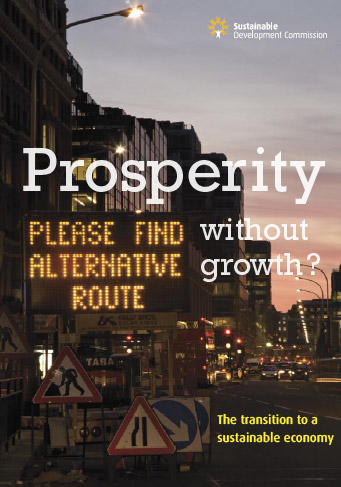

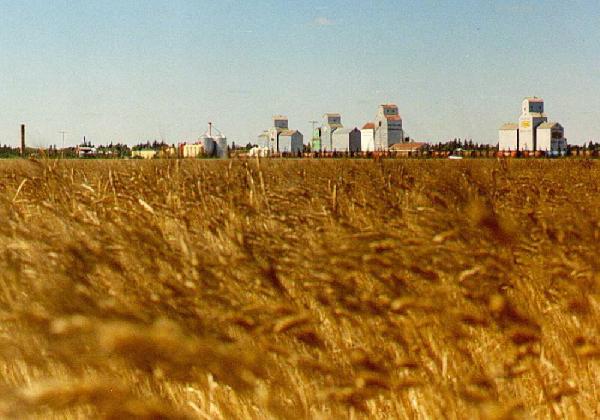
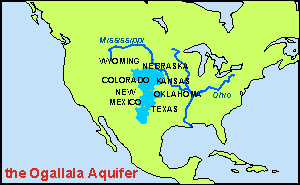
 I mean, really, do you actually think that the cotton boll which you see in the picture is transformed into your blouse without some kind of serious work? What about oil? Think of crude oil and and your new sheets – what do you think has to have happened to that crude to make it acceptable for your bedroom?





 The Global Organic Textiles Standard (GOTS) prohibits all “genetically modified organisms (GMO’s) and their derivatives”. According to the Organic Exchange, none of the organic growing standards established by any government allows for GMO crops. In April, 2009, Germany announced a plan to ban all GMO crops in the country, citing concerns of the environmental impact, making Germany the latest in a string of EU countries to outlaw GMO crops. And during a public comment period in 2000, the Organic Trade Association generated 275,000 letters against GMOs being included in the National Organic Program (NOP).



 OEcotextiles