OEcotextiles

Indulgent yet responsible fabrics

Polyvinyl chloride – PVC – is the most toxic plastic for our health and it’s not so good for the environment either.  First, it’s made from petroleum, one of our scarce natural resources.   Globally, over 50% of PVC manufactured is used in construction, in products such as pipelines, wiring, siding, flooring and wallpaper – as well as a host of other products, including fabrics.   As a building material PVC is cheap, easy to install and easy to replace. PVC is replacing ‘traditional’ building materials such as wood, concrete and clay in many areas. Although it appears to be the ideal building material, PVC has high environmental and human health costs that its manufacturers fail to tell consumers.

From its manufacture to its disposal, PVC emits toxic compounds. During the manufacture of the building block ingredients of PVC (such as the vinyl chloride monomer) dioxin and other persistent pollutants are emitted into the air, water and land, which present both acute and chronic health hazards. During use, PVC products can leach toxic additives, for example flooring can release softeners called phthalates. When PVC reaches the end of its useful life,  it cannot be recycled, so it must either  be landfilled, where it leaches toxic additives, or incinerated, again emitting dioxin and heavy metals. When PVC burns in accidental fires, hydrogen chloride gas and dioxin are formed.

No other plastic contains or releases as many dangerous chemicals. There’s no safe way to manufacture, use or dispose of PVC products.
eco-friendly_vinyl-459x459 copyAnd yet we see the advertisement of “eco friendly” vinyl.  What does it mean?

Vinyl is commonly used as a shorthand name for PVC.  Usually, when a product is referred to as “vinyl,” it is comprised primarily of PVC. Occasionally it also may refer to polyvinylidene chloride (PVDC) a closely related compound, which is used in food wraps (‘Saran’) and other films.  This product shares most of the same environmental health problems with PVC.

In chemistry, however, the term “vinyl’ actually has a broader meaning, encompassing a range of different thermoplastic chemical compounds derived from ethylene. In addition to PVC, “vinyls” in building materials also include:

  1. ethylene vinyl acetate (EVA), used in films, wire coating and adhesives
  2. polyethylene vinyl acetate (PEVA) a copolymer of polyethylene and EVA used in shower curtains, body bags
  3. polyvinyl acetate (PVA), used in paints and adhesives, such as white glue, and
  4. polyvinyl butyral (PVB), used in safety glass films.

What makes PVC different from the other vinyls is the addition of a chlorine molecule (The “C” in PVC and PVDC stands for chlorine).  Chlorine is the source of many of the concerns with PVC, such as the generation of dioxin, a highly carcinogenic chemical produced in both the manufacture and disposal of PVC. Due to its persistent and bioaccumulative nature (it travels long distances without breaking down and concentrates as it moves up the food chain to humans) dioxin has become a global problem and an international treaty – the Stockholm Convention on persistent organic pollutants (POPs) – now prioritizes the elimination of processes that produce dioxin.

Some of the non-chlorinated vinyls (EVA, PEVA, PVA and PVB) are now beginning to be used as direct substitutes for PVC. EVA has been in use for several years as a chlorine free substitute for PVC – primarily in non building materials like toys and athletic shoes, but occasionally as a protective film or binder. In the building industry, post-consumer recycled PVB is now beginning to be used to replace PVC in carpet backing. Absence of chlorine alone does not make these other vinyls the final answer in the search for green polymers. There are still plenty of toxic challenges and untested chemicals in the life cycle of any petrochemical product. As is the case with most other polymers competing with PVC, however, the weight of available evidence indicates that the absence of chlorine in the formula will generally render the lifecycle environmental health impacts of PVB and the other vinyls less harmful than PVC – and initial study is bearing this out. Like the polyolefin plastics, the use of PVB and the other non-chlorinated vinyls represents a step forward in the search for alternatives to PVC.

In summary, with the exception of paints, glues and certain films, “vinyl” as a product description almost always means made of PVC. The term vinyl in ethylene vinyl acetate (EVA), polyethylene vinyl acetate (PEVA), polyvinyl acetate (PVA), and polyvinyl butyral (PVB), however, does not refer to PVC and does not raise the same concerns associated with chlorinated molecules like PVC.

When in doubt about the use of the term “vinyl”, ask if it is PVC.

For virtually all PVC applications, safer alternatives exist, using more sustainable, traditional materials – such as paper, wood or local materials. PVC can also be replaced by a variety of other, less environmentally damaging plastics, although most plastics pose some risk to the environment and contribute to the global waste crisis.

Knowledge is power

O Ecotextiles (and Two Sisters Ecotextiles)

Happy 2014 everybody!

This week’s blog was written by Alice Shabecoff, co-author with her husband Philip of Poisoned Profits: The Toxic Assault on our ChildrenPoisoned ProfitsI think she raises some issues that we all should be thinking about – and I agree with her statement that this isn’t all doom and gloom, because once we have knowledge of what some chemicals can do to us, we have the power to change it.  See what you think:

As we watched each of our five grandchildren and their friends enter this world and begin their life’s journey, it became more and more clear that something is amiss with this generation. How are your children and your friends’ children doing?

Most likely, one in three of the children you know in this generation suffers from a chronic illness. Perhaps it’s cancer, or birth defects, perhaps asthma, or a problem that affects the child’s mind and behavior, such as Downs Syndrome, learning disorders, ADHD or autism. Though one in three may sound exaggerated and unbelievable, the figures are there amidst various government files.

This generation is different.

  • Childhood cancer, once a medical rarity, has grown 67 percent since 1950.
  • Asthma has increased 140 percent in the last twenty years
  •  autism rates without a doubt have increased at least 200 percent.
  • Miscarriages and premature births are also on the rise,
  • while the ratio of male babies dwindles and
  • teenage girls face endometriosis.

The generations born from 1970 on are the first to be raised in a truly toxified world. Even before conception and on into adulthood, the assault is everywhere: heavy metals and carcinogenic particles in air pollution; industrial solvents, household detergents, prozac and radioactive wastes in drinking water; pesticides in flea collars; artificial growth hormones in beef, arsenic in chicken; synthetic hormones in bottles, teething rings and medical devices; formaldehyde in cribs and nail polish, and even rocket fuel in lettuce. Pacifiers are now manufactured with nanoparticles from silver, to be sold as ‘antibacterial.’

What’s wrong with rinsing a pacifier in soapy water?

Despite naysayers (who pays them to say nay?–that’s a whole story in itself), it’s clear there is both an association and a causative connection between the vast explosion of poisons in our everyday lives and our childrens’ “issues.”

Over 80,000 industrial chemicals (tested only by the manufacturer) are in commerce in this country, produced or imported at 15 trillion pounds a year. Pesticide use has leaped from the troubling 400 million pounds Rachel Carson wrote about in the 1960s to the mind-boggling 4.4 billion pounds in use today. Nuclear power plants, aging and under-maintained, increasingly leak wastes, often without notifying their community.

What could be more elemental than our desire to protect our children? Children and fetuses, because of their undeveloped defense systems, are ten to sixty-five times more susceptible to specific toxics than adults. These toxics diminish the capacities of our children…the future of our families, our communities, our nation.

Illness does not necessarily show up in childhood. Environmental exposures, from conception to early life, can set a person´s cellular code for life and can cause disease at any time, through old age. This accounts for the rise in Parkinson´s and Alzheimer´s diseases, prostate and breast cancer.

A message of hope and optimism
Yet this is not the dispiriting ‘Bad News’ it might seem. It is, actually, a message of hope and optimism. We are fearful only when we are ignorant and powerless. Now that we know what is happening, we can determine not to let it happen further.

These poisons are manmade; manufacturers can take them out of our children´s lives and make profits from safe products. ‘Green chemistry’ can replace toxic molecules with harmless ones. We can connect global climate change actions to environmental health strategies. If we replace coal-fired power, in the process we reduce not only carbon but also emissions of the tons of lead, mercury, hydrochloric acid, chromium, arsenic, sulfur and nitrogen oxides that cause autism, Alzheimer’s and other public health menaces.

In a riff on Pogo, let’s say, “We have met the heroes and it is us.” We cannot bury our heads and hope it will all go away. We cannot leave the job to someone else. Some may feel the problem is so massive, it’s best to pretend it doesn’t exist. But it isn’t more massive than we allow it to be. It’s totally within our reach.

We can make each other smarter and stronger. It is in our power to learn about what harms our children and to share our knowledge. It is in our power as a community of citizens and parents to demand action against the current harmful policies and practices and against the indiscriminate use of processes and practices that destroy and degrade all life on our planet.

Holiday wishes

O Ecotextiles (and Two Sisters Ecotextiles)

Yuliy_Yulevich_Julius_Klever_KLQ040

We wish you all a wonderful holiday season. 

We recently lost a great teacher and counselor;  we’ll close this year with one of his quotes:

We must use time wisely and forever realize that the time is always ripe to do right.      

Nelson Mandela

California has approved a new  flammability standard for residential furniture that is receiving widespread praise among environmentalists.  But we’d like you to examine, with us, some details about the new standard that you’ll need to know to keep you and your family safe from these extremely toxic chemicals.

California is the only state in the U.S. with a mandatory flammability standard for residential furniture.  The original law, TB117, was passed with all the good will in the world – to protect people from dying in house fires by giving them time to escape.  But  as is often the case, there were unintended consequences – we have found that the fire retardant chemicals are linked to cancer, developmental problems, reduced IQ and impaired fertility –  and more.  These chemicals  both persist (i.e, last a long time) and  bioaccumulate (i.e., are absorbed at a rate greater than that at which the substance is lost – leading to a risk of chronic poisoning) in human systems.  And the final straw:  ironically, the chemicals don’t protect us from fires – they just allow the material not to fail the flammability test.  In actual fires, the materials do burn, and just as massively as untreated foam,  and that releases toxic smoke into the air; one pundit has said that firefighters have more to fear from the smoke  than from the actual fire.

Recently, there has been growing pressure to change California’s “Technical Bulletin 117”, which required furniture manufacturers to inject flame retardant chemicals into the polyurethane foam used in all upholstered furniture sold in the state.  (Please note: the law only pertained to filling materials.) Because California is such a huge market, this law has become a de facto national standard. This pressure was fueled by a series of articles in the Chicago Tribune entitled “Playing with Fire” (click here to read the articles) , and more recently by the HBO film, Toxic Hot Seat, both of which exposed the considerable health risks of flame retardant chemicals, as well as the attempts by the chemical industry to thwart attempts at reform.

Why are flame retardant chemicals required in polyurethane foam?  Answer:  Because polyurethane is basically solid gasoline, which means it’s basically an accelerant.   The old test required that it pass a test by withstanding an open flame for 12 seconds before igniting.  Because this is impossible, the chemicals were added to prevent ignition.

What makes the new TB117-2013 different is that the test methods have changed.  Legislators decided to amend the manner in which flammability is measured.  They reasoned that most house fires start from smoldering cigarettes, which cause the fabric to smolder and catch fire – not from within the cushion in the foam.   They thought that upholstery cover fabrics play a more important role in fire behavior performance than filling materials – flames start on the fabric,  not from deep within the cushions, so the best way to prevent the foam from igniting is to make sure that the surface materials do not smolder in the first place.

So the new test did away with the 12 second open flame test and replaced it with a smolder-only test.  In this test, a lighted cigarette (not an open flame) is placed on the surface of the furniture.   If charring occurs which is 2 inches or less, the furniture is considered to pass.  This is a much easier test to pass than the open flame test.

So the new TB117-2013 enables foam manufacturers to reduce or eliminate flame retardant chemicals – but it doesn’t forbid their use.   The new law was designed to enable manufacturers to eliminate the flame retardants, but if they choose to use them it’s not illegal.  It’s up to manufacturers to decide how they plan to meet the new standard.

Most fabrics used in upholstery today are  synthetics or synthetic blends (natural fiber/synthetic).  And synthetics are created from crude oil – so they too are basically solid gasoline.  An accelerant.  Fabrics can be fire retarded easily and cheaply, and it’s very commonly done.  So although the foam manufacturers can (if they so choose) eliminate flame retardant chemicals in the foam, the burden of passing a smolder test now falls on the fabric.  It seems to me that the flame retardant chemicals are now just going to be found in the fabrics rather than the foam.

The new law was originally supposed to go into effect on July 1, 2014, but manufacturers, who said they “needed the additional times to deplete current supplies and effectuate the new regulatory changes” extended the new date to January 1, 2015.  However, starting in January, 2014, manufacturers will be able to sell furniture with a “TB117-2013” tag – so consumers should make sure to ask whether the sofa or chair has been treated with flame retardant chemicals.  Manufacturers are not required to disclose whether they use flame retardants or not, and few label their products.

If you really want to be sure, the Center for Environmental Health can test foam to detect the presence of flame retardants.  The tests only indicate whether certain elements are present, such as chlorine or bromine.  If so, it is likely the foam was treated with flame retardants.  If you want information on how to use this free service, click here.

Even if the foam is  tested and found not to contain flame retardants, that is by no means a clean bill of health for your sofa, because the fabrics may well contain flame retardants.  And a TB117-2013 label on a piece of furniture is not a guarantee that there are no flame retardants used in the piece.

And we think it’s pretty critical to add this final caveat – flame retardant chemicals are just ONE of the many chemicals which may be found in your fabrics.  Textile production uses a lot of chemicals,  most of which have toxicity profiles as equally unsavory as flame retardants: consider formaldehyde, perfluorocarbons (PFC’s), benzene, APEO’s, polychlorinated biphenyls (PCB’s) and Bisphenol A in synthetics, and heavy metals such as lead, mercury and cadmium.  So to limit yourselves to eliminating flame retardant chemicals from the fabrics or furniture you live with  – as wonderful as that is – means you’re not seeing the forest for the trees.

In response to a post a few weeks back, Susan Lanham wrote to us:  “I initially signed on to get this blog because I thought you would give practical ways to avoid these carcinogens. However, they are so pervasive, and there doesn’t seem to be any practical way to avoid them, so that reading your blog just makes me feel helpless and hopeless. More and more I just delete without reading: it’s like diagnosing a disease early when there is nothing to be done for it.”

Yikes.  We certainly didn’t want to turn people off in despair!  There is much you can do armed with a bit of knowledge.

We have always thought that information is the great motivator – that if people knew what they were buying, then they would demand changes in those products.  Remember that each time you purchase something,  you’re ensuring that the product you bought will keep being produced, in the same  way.  If you support new ideas, find that creative way to use something or insist that what you buy meets certain parameters, then new research will be done to meet consumer demand and new processes will be developed that don’t leave a legacy of destruction.

At least in theory, right?

The reality is that change takes a long time, and we’re living in a toxic soup now – so what can we do to protect ourselves right now?

And after all, just because almost anything can kill you doesn’t mean fabrics should.  So here’s my list of things you can do to begin to protect yourself from toxins in fabrics:

  1. Buy only GOTS or Oeko Tex certified fabrics if you can  – for everything, not just sheets and pajamas – starting now.   If you can’t find GOTS or Oeko Tex certified fabrics, try to use 100% organic natural fibers.  Certifications are a shorthand which allows us to accept that the certified products are safe, but if you want to get granular, you can find out what they’re certifying (i.e., what the certifications are telling you).  Be sure to differentiate between, for example, a GOTS certified fiber and a GOTS certified fabric.  Big difference:  A product which uses GOTS certified fibers only may have been processed conventionally, which means it could be full of chemicals of concern.
  2. If it’s cheap, it probably has hidden costs, like your health or our ecosystem.  It’s expensive to go against the flow, and natural fibers cost way more than synthetics, even though the price of crude is going up.  So pay more, use less.
  3. Never buy anything made of PVC (polyvinyl chloride) or acrylic (which can be used as finishes or backings as well as fibers) and generally avoid other synthetics (such as polyester).  They ALL start with toxic inputs (like ethylene glycol), but the profiles of both PVC and acrylic makes polyester look benign by comparison.  In that same vein, avoid fabrics that are pretending to be something they’re not – polyester can be made to look like practically anything (one of the things we love about it), but it won’t have the characteristics of the natural fibers that make them such good choices for us.
  4. If you must use synthetic fibers, the best choice would be GRS Gold level recycled polyester.  This new certification means that the recycled content really is  95-100%, with the added assurance that chemicals used in the manufacture abide by the GOTS standards (eliminating endocrine disrupting chemicals, heavy metals, and a long list of other chemicals of concern); water is treated and workers are given minimal rights.
  5. Never buy wrinkle-free or permanent-press anything and pass on any stain protection treatments. The wrinkle free finishes are formaldehyde resins, and there simply are no safe stain protection treatments.
  6. Fly less.  (I never said these would be easy, but it’s good to know, right?)  In this case my issue is not with the carbon footprint (which is tremendous) but because the fabrics are so drenched in flame retardants that people who fly often have elevated levels of PBDEs in their blood – and you already know that PBDEs and their ilk are to be avoided as much as possible.  Same is true of fabrics on cruise ships.
  7. Trust your nose.  If a fabric stinks, what does that tell you about it?
  8. Ask questions!  If they can’t tell you what’s in it, you probably don’t want to live with it.
  9. Get involved and become informed! Force the federal government to fulfill its obligation to protect us from harm – join something (like a Stroller Brigade, sponsored by Safer Chemicals, Healthy Families or Washington Toxics Coalition, for example) and urge your representatives to support the Safe Chemicals Act.  And share what you’ve learned.  This is an evolving industry, and we’re all looking for answers. But I know you’re just ONE person – and the problems do seem overwhelming.  Can just ONE person change the world? Margaret Meade said that committed people, banding together, is the only thing that ever has.
  10. Be aware of greenwashing.  This doesn’t mean waiting for the perfect product but it does mean honesty in letting you (the consumer) know exactly what is in the fabric.  If you see a green claim, Google the company name + environment and see what pops up.  If it’s a big company, do they spend a significant portion of their R&D budget on green initiatives?  What percent of their product offerings are “green” vs. “conventional”?

That does it for fabrics, but here are a few more things you can do to protect yourself :

  • Take off your shoes in the house – simple and easy, and it prevents lots of pesticides and other chemicals from being tracked in.
  • Vacuum and/or dust regularly –because the dust in our homes has been proven to contain lots of chemicals – wafted there from the other products in our homes.
  • Filter your water. You’d be surprised to read the list of really bad chemicals found in most tapwater in the United States – if you’re interested, read the series called “Toxic Waters” which was published in the New York Times.
  • Avoid polyurethane (i.e., poly foam, found in cushions and many other products) if you’re in the market for a new sofa or mattress, look for 100% natural – and certified – latex.
  • Read the labels of your grooming products – avoid anything that includes the words “paraben” (often used as a suffix, as in methylparaben) or “phthalate” (listed as dibutyl and diethylhexyl or just “fragrance”). If there isn’t an ingredients list, log on to cosmeticsdatabase.com, a Web site devised by the Environmental Working Group that identifies the toxic ingredients of thousands of personal-care products.
  • About plastics: Never use plastics in the microwave. Avoid “bad plastics” like PVC and anything with “vinyl” in its name. And don’t eat microwave popcorn, because the inside of a microwave popcorn bag is usually coated with a chemical that can migrate into the food when heated. It has been linked to cancer and birth defects in animals.
  • As Michael Pollan says: “Eat food. Not too much. Mostly plants.” I’d add: eat organic as much as possible, support local farmers and don’t eat meat and fish every day. Grow an organic garden – one of the most powerful things you can do! If you can only purchase a few organic foods, there are lots of lists that tell you which are the most pesticide-laden.
  • Replace cleaning products with non toxic alternatives – either commercially available cleaning products (avoiding ammonia, artificial dyes, detergents, aerosol propellants, sodium hypochlorite, lye, fluorescent brighteners, chlorine or artificial fragrances) or homemade. You probably can do most cleaning with a few simple ingredients like baking soda, lemon juice and distilled white vinegar. Lots of web sites offer recipes for different cleaners – I like essential oils (such as lavender, lemongrass, sweet orange, peppermint, cedar wood and ylang-ylang) in a bucket of soap and hot water. It can clean most floors and surfaces and it won’t kill me.
  • And now that we mention it, avoid using any product which lists “fragrance” as an ingredient.

I know that even that is a daunting list – it’s really hard to avoid some products and growing an organic garden just isn’t in the cards for some of us.  But if you do even some of these things your health – and ours! – will benefit.  Not to mention all the living things on Earth which depend on our good stewardship of this planet.

Thanksgiving

O Ecotextiles (and Two Sisters Ecotextiles)

                                                             autumn-backgrounds-desktop


Nothing is more honorable than a grateful heart.

Seneca


Why our children are at risk

O Ecotextiles (and Two Sisters Ecotextiles)

We hear about deaths from cancer – and how the rates are going down  (1). And that’s fabulous – but the sad fact is that the incidence of cancer seems to be going up (2).   The reason is complicated – we’re getting older, true –  but we’re also getting better at fighting it:

Cancer Research UK

Cancer Research UK

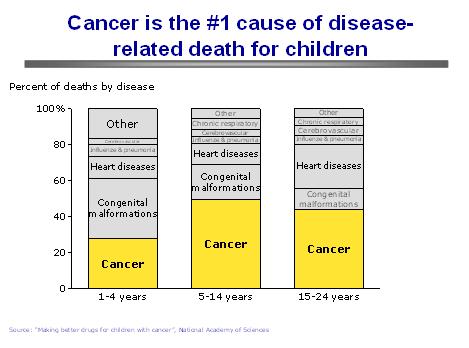
The number of new cancer cases have increased 0.6% every year since 1975 – overall, that’s an increase of 21% in the past 36 years (3) . What I find particularly disturbing is the rise in the reported incidence of cancer among young children and adolescents, especially brain cancer, testicular cancer, and acute lymphocytic leukemia. Sadly, after injuries and violence, cancer is the leading cause of death in our children (4).

National Academy of Sciences

National Academy of Sciences

At the risk of showing my bias, in case there are those among you who didn’t already know, I think part of the problem is because our environment contains many chemicals that are known to cause these cancers. But I’m not alone: the New York Times, in a recent editorial, urged the reform of the current law which purports to protect Americans from these chemicals (5), and the 2011 report of the President’s Cancer Panel has said that the “true burden of environmentally induced cancers has been grossly underestimated.” (6)

Besides cosmetics, shampoos, detergents and building products, fabric processing uses a wide variety of synthetic chemicals, many of which remain in the fabrics. A short list of the many chemicals used in textile processing – many of which remain in the fabrics we live with – includes the following chemicals, which are all linked to cancer:

• Formaldehyde is known to cause cancer (and asthma), yet rates of formaldehyde in indoor air have grown from 14 ppb in 1980 to 200 ppb in 2010 – and these rates are increasing.
• Higher rates of chemicals called Polychlorinated Biphenyls, or PCBs, used in the production of plastics – and therefore all synthetic fabrics – also are linked with higher rates of leukemia.
• Benzene, used in the production of nylon and other synthetics, in textile dyestuffs and in the pigment printing process – is linked to leukemia, breast cancer, lymphatic and hematopoietic cancers.
• Chromium Hexavalent compounds, used in leather tanning, and the manufacture of dyes and pigments, are linked to lung, nasal and nasopharyngeal cancers.
• Bisphenol A, used in the production of polyester and other synthetic fibers and as an intermediate in the production of dyestuffs, is an endocrine disruptor linked to breast and prostate cancer.

Children are at greater risk because they are exposed at a higher rate than adults, their behaviors exacerbate exposure and they have increased susceptibility to the chemicals:

GREATER EXPOSURE:
Pound for pound, children breathe twice as much air as an adult, drink two and a half times as much water, and eat three to four times more. Also – the typical newborn weighs 1/20th that of an adult male, but the infant’s surface area is just 1/8th as great. This means that the infant’s total skin area is 2.5 times more per unit of body weight than an adult (7).
Their breathing rates, at rest, are higher than those of adults, and greater levels of physical activity can increase their breathing rates even further. Their play is often at ground level, while adults breathe four to six feet above the floor. So children have greater inhalation and dermal exposure to chemicals present on floors, carpets, grass or dirt, where heavier chemicals such as lead and particulates settle.

BEHAVIOR:
Children put everything into their mouths when exploring their environment. This increases their ingestion of substances in soil, household dust, floors and carpets, as well as the objects themselves.

Some children will gleefully jump into a lake – even before they could swim! This lack of fear as they grow can further increase their exposure to environmental hazards.

INCREASED SUSCEPTIBILITY:
Childhood is characterized by rapid physical and mental growth. Accordingly, certain organs may not be fully developed and may be more vulnerable to injury. Children absorb, metabolize, and excrete compounds differently than adults.
• In some instances, children may be more susceptible than adults due to their increased rates of absorption or decreased rates of elimination of foreign compounds. In other cases, the opposite may be true. Children will absorb about 50 percent of lead ingested, whereas adults will absorb only about 10 to 15 percent(8). Kidneys are the principal pathway for elimination of most chemicals from the body. At birth an infant’s kidney’s filtration rate is a fraction of adult values; by age one the rate is at adult levels. (9)
• Longer lifetimes: many diseases initiated by chemical hazards take decades to develop, so early exposure to toxicants may be more likely to lead to disease than the same exposures experienced later in life.

The fetus is particularly sensitive to environmental toxicants (10). Chemicals can affect the children born to women exposed during pregnancy, while the women remain unaffected. For example, the children of women from Michigan who ate two to three meals of fish contaminated with PCBs per month for six years before pregnancy had lower birth weights, memory deficits at seven months and four years of age, and cognitive deficits persisted at eleven years of age (11). In Iraq, children born to women who during pregnancy inadvertently ate seed grain treated with mercury to prevent fungus had severe developmental and mental deficits  (12).

(1) Jemal A, Siegel R, Ward E, Hao Y, Xu J, Thun MJ. Cancer statistics, 2009. CA: A Cancer Journal for Clinicians 2009;59(4):225–249.
(2) Data from cancer tracking suggest that childhood cancer is increasing, although the data is not consistent from year to year; the National Cancer Institute reported that for infants less than one year old, the rate of cancer rose by 36% from 1976-84, but some say that these increases are due to improved detection rather than representing true increases in cancer.
(3) Center for Children’s Health and the Environment, Mt. Sinai School of Medicine (http://www.pbs.org/odyssey/odyssey/toxics_brain_cancer.pdf)
(4) Ibid.
(5) http://www.nytimes.com/2013/04/19/opinion/a-toothless-law-on-toxic-chemicals.html?emc=eta1&_r=0
(6) http://www.environmentalhealthnews.org/ehs/news/presidents-cancer-panel/
(7) Our Children at Risk, The Natural Resrouces Defense Council, http://www.nrdc.org/health/kids/ocar/chap2.asp
(8) Royce, S. and H. Needleman, Case Studies in Environmental Medicine: Lead Toxicity, Agency for Toxic Substances and Disease Registry, 1995.
(9) Bearer, C., “How Are Children Different from Adults?” Environmental Health Perspectives, vol. 103, supp. 6, September 1995, pp. 7-12.
(10) Birnbaum, L.S., “Endocrine Effects of Prenatal Exposures to PCBs, Dioxins, and Other Xenobiotics: Implications for Policy and Future Research,” Environmental Health Perspectives, vol. 102, no. 8, 1994, pp.676-679. Y.L. Guo et al., “Growth Abnormalities in the Population Exposed in Utero and Early Postnatally to Polychlorinated Biphenyls and Dibenzrofurans,” Environmental Health Perspectives, vol. 105, suppl. 6, September 1995, pp.117-122.
(11) Jacobson, J.L. et al., “The Transfer of Polychlorinated Biphenyls (PCBs) and Polybrominated Biphenyls (PBBs) across the Human Placenta and into Maternal Milk,” American Journal of Public Health, vol. 74, 1984, pp.378-9. J. Jacobson et al., “Effects of In Utero Exposure to Polychlorinated Biphenyls and Related Contaminants on Cognitive Functioning in Young Children,” Pediatrics, vol. 116, 1990, pp.38-45. S.W. Jacobson et al., “The Effect of Intrauterine PCB Exposure on Visual Recognition Memory,” Child Dev, vol. 56,1985, pp.853-60. J.L. Jacobson et al., “Effects of Exposure to PCBs and Related Compounds on Growth and Activity in Children,” Neurotoxicol. Teratol., vol.12, 1990, pp. 319-26.
(12) Gilbert, S. G. and K. Grant-Webster, “Neurobehavioral Effects of Developmental Methyl-Mercury Exposure,” Environmental Health Perspectives, vol. 103, supp. 6, September 1995, pp. 135-142.

True cost of a conventional sofa

O Ecotextiles (and Two Sisters Ecotextiles)

Buying a sofa is a big committment: it dominates the room, costs a lot, and should be presentable for at least 10 years. So let’s say that you’ve cruised the stores, sat in the sofas, lifted them, pushed and probed – and decided on a version that looks and feels right. And you’ve made sure that your choice contained all the ingredients for a high quality sofa – hardwood frame (check), 8 way hand-tied springs (check); high density foam (check), and a decorative fabric that will last the entire 10 – 20 year estimated life of the sofa.

But is it organic?

Most people wouldn’t give that question a second thought, but we think it’s a critical question. Why? Well, let’s just assume you’ve chosen a conventionally produced sofa. That means:

1. The hardwood is not FSC certified, which means it comes from a forest that is not managed. That means you’ve chipped away at your children’s inheritance of this Earth by supporting practices which don’t support healthy forests, which are critical to maintaining life: forests filter pollutants from the air, purify the water we drink, and help stabilize the global climate by absorbing carbon dioxide, the main greenhouse gas. They provide habitat for 90% of the animal and plant species which live on land. Forests are commercially important, too; they yield valuable resources like wood, rubber and medicinal plants, including plants used to create cancer drugs. Forest certification is like organic labeling for forest products. If you have chosen a sofa which uses plywood, medium density fiberboard (MDF) or Glue Laminated Beams (Glulam), then you will also be living with formaldehyde emissions. To read more about why FSC certification is important, click here.

2. The sofa uses either polyurethane or soy foam. Even high density polyurethane foam – as well as soy foam, the new media darling – emits methyloxirane, which causes cancer and genetic mutations , and toluene, a neurotoxin . Your polyurethane/soy foams oxidize over time, sending these chemicals into the air, where you can breathe them in.  Highly poisonous, even in small amounts, these compounds can disrupt hormonal and reproductive systems, and are toxic to the immune system. Early life exposure has been shown to disrupt brain development. And because polyurethane and soy foams are basically solid gasoline, they often require flame retardant chemicals. To read more about soy and poly foams, click here  and here.

From blog.greensciencepolicy.org

From blog.greensciencepolicy.org

3. Your sofa uses fabric – made of anything from cotton to linen or polyester – which was produced without regard to the kinds of chemicals used in dyestuffs, processing or finishes. Fabrics are, by weight, about 25% synthetic chemicals, and textile processing uses some of the most dangerously toxic chemicals known – among them, lead, mercury, arsenic, formaldehyde, Bisphenol A (BPA), flame retardants such as pentaBDE, PFOA.

There are no requirements that manufacturers disclose the chemicals used in processing – chemicals which remain in the finished fabrics. Often the chemicals are used under trade names, or are protected by legislation as “trade secrets” in food and drug articles – but fabrics don’t even have a federal code to define what can/cannot be used  –  because fabrics are totally unregulated in the U.S., except in terms of fire retardancy or intended use. It’s pretty much a free-for-all. Many studies have linked specific diseases with work in the textile industry – such as autoimmune diseases, leukemia and breast cancer. Some of the chemicals used in processing evaporate into your home’s air (such as formaldehyde), others (like lead) will be available in house dust – because every time you sit down or brush against the fabric, microscopic particles abrade and fly into the air. And remember, your skin is a permeable membrane. We are just beginning to understand how even tiny doses of certain chemicals may switch genes on and off in harmful ways during the most sensitive periods of development, and how the endocrine system involves a myriad of chemical messengers and feedback loops. A fetus might respond to a chemical at one hundred-fold less concentration or more, yet when you take that chemical away, the body is nonetheless altered for life.  So infants may seem fine at birth, but might carry within them a trigger only revealed later in life, often in puberty, when endocrine systems go into hyperdrive. This increases the adolescent’s or adult’s chances of falling ill, getting fat, or becoming infertile, for example. For more on these issues, click here  and here

4. Finally, glues, varnishes, paint all contribute to the toxic load of evaporating chemicals if conventional products have been used on your sofa.

We are often asked about the perceived higher cost of going organic – but really, isn’t the true cost of a conventional sofa more than anybody should have to bear?

If a fabric is identified as 100%  “cotton” – or even 100% “organic cotton”  —  it’s important to remember that processing the fiber, and then weaving it into fabric, is very chemically intense.  One-quarter of the total weight of the finished fabric is made up of synthetic chemicals, so it’s important to know that the chemicals used in your fabrics are safe! [1]

There have not been a lot of studies which show the effects that chemicals contained in a fabric have on humans as a result of using that fabric, perhaps because there are no interested parties other than universities and government entities.   But there are numerous studies which document the effects which the individual chemicals have on humans – perhaps because the textile industry is so fragmented that the few really large corporations with the resources to do this kind of research tend to finance research which supports  new products (such as DuPont’s PLA fibers or Teijin’s recycling efforts).  But there have been some, and we found the following:

  1. Formaldehyde is used often in finishing textiles to give the fabrics easy care properties (like wrinkle resistance, anti cling, stain resistance, etc.).  Formaldehyde resins are used on almost all cotton/poly sheet sets in the USA.
    1. Formaldehyde is a listed human carcinogen.  Besides being associated with watery eyes, burning sensations in the eyes and throat, nausea, difficulty in breathing, coughing, some pulmonary edema (fluid in the lungs), asthma attacks, chest tightness, headaches, and general fatigue, as well as well documented skin rashes, formaldehyde is associated with more severe health issues:  For example, it could cause nervous system damage by its known ability to react with and form cross-linking with proteins, DNA and unsaturated fatty acids.13 These same mechanisms could cause damage to virtually any cell in the body, since all cells contain these substances. Formaldehyde can react with the nerve protein (neuroamines) and nerve transmitters (e.g., catecholamines), which could impair normal nervous system function and cause endocrine disruption. [3]
      1. In January 2009, new blue uniforms issued to Transportation Security Administration officers gave them skin rashes, bloody noses, lightheadedness, red eyes, and swollen and cracked lips, according to the American Federation of Government Employees, the union representing the officers.
      2. In 2008, more than 600 people joined a class action suit against Victoria’s Secret, claiming horrific skin reactions (and permanent scarring for some) as a result of wearing Victoria Secret’s bras.   Lawsuits were filed in Florida and New York – after the lawyers found formaldehyde in the bras.
      3. Contact dermatitis is a well-known condition, and there are many websites which feature ways to get help.
      4. A study by The National Institute for Occupational Safety and Health found a link in textile workers between length of exposure to formaldehyde and leukemia deaths.[2]
    2. Dioxins:  Main uses of dioxin in relation to textiles is as a preservative for cotton and other fibers during sea transit,  and in cotton bleaching. It is also found in some dyestuffs.  Dioxin is known as one of the strongest poisons which man is able to produce. It causes cancer of the liver and lung, and interferes with the immune system, resulting in a predisposition to infectious diseases and embrional misgrowth.
      1. Studies have found dioxin leached from clothing  onto  the skin of participants:[3]  It was shown that these contaminants are transferred from textiles to human skin during wearing. They were also present in shower water and were washed out of textiles during washing. Extensive evidence was found indicating that contaminated textiles are a major source of chlorinated dioxins and furans in non-industrial sewage sludge, dry cleaning residues and house dust.
    3. Perfluorocarbons (PFC’s)  break down within the body and in the environment to PFOA, PFOS and similar chemicals. (Note: the chemistry here is quite dense; I’ve tried to differentiate between the groups. Please let me know if I’ve made a mistake!) They are the most persistent synthetic chemicals known to man. Once they are in the body, it takes decades to get them out – assuming you are exposed to no more. They are toxic in humans with health effects from increased chloesterol to stroke and cancer. Although little PFOA can be found in the finished product, the breakdown of the fluorotelomers used on paper products and fabric treatments might explain how more than 90% of all Americans have these hyper-persistent, toxic chemicals in their blood. A growing number of researchers believe that fabric-based, stain-resistant coatings, which are ubiquitous, may be the largest environmental source of this  controversial chemical family of PFCs. (Per- and polyfluoroalkyl substances are both included as PFAS.)

PFC’s are used in stain resistant finishes/fabrics such as Scotchgard, GoreTex, Crypton, Crypton Green, GreenShield, Teflon:

  1. PFC’s cause developmental and other adverse effects in animals.[4]
  2. According to a study published in the Journal of the American Medical Association, the more exposure children have to PFC’s (perfluorinated compounds), the less likely they are to have a good immune response to vaccinations (click here to read the study).[5]

According to the U.S. Environmental Protection Agency, PFC’s:

  • Are very persistent in the environment.
  • Are found at very low levels both in the environment and in the blood of the U.S. population.
  • Remain in people for a very long time.
  • Cause developmental and other adverse effects in laboratory animals.

The levels of PFC’s globally are not going down – and in fact there are places (such as China) where the PFC level is going up. And as there is not a “no peeing” part of the pool, the exposure problem deserves international attention.

4. Tributylphosphate – or TBP – is used in the production of synthetic resins and as a flame-retarding plasticizer. It is also used as a primary plasticizer in the manufacture of plastics and as a pasting agent for pigment pastes used in printing. Because it is a strong wetting agent, it is used often in the textile industry.  In addition to being a known skin irritant (click here to see the MSDS with a warning that it causes eye and skin irritation), TBP also causes bladder cancer in rats. (2)

  1. Alaska Airlines flight attendants were given new uniforms in 2010; shortly thereafter many reported “dermal symptoms” (e.g., hives, rash, blisters, skin irritation), while some also referenced respiratory symptoms and eye irritation; some have more recently been diagnosed with abnormal thyroid function. The symptoms apparently occurred only while wearing the new uniforms. (To read the report filed with the Consumer Product Safety Commission by the Association of Flight Attendants, click here. )

The only fact which can be agreed upon between the union, the CPSC and the manufacturer is that some unknown percent of the fabric used to make the uniforms was “contaminated” with TBP, tributylphosphate, as reported by the manufacturer – but since not all the fabric was tested, it is unknown the final percentage of contaminated fabric.

5.  Acrylic fibers are made from acrolynitrile  (also called vinyl cyanide), which is a carcinogen (brain, lung and bowel cancers) and a mutagen, targeting the central nervous system. According to the Centers for Disease Control and Prevention, acrylonitrile enters our bodies through skin absorption, as well as inhalation and ingestion.  It is not easily recycled nor is it biodegradeable.

  1. Women who work in factories which produce acrylic fibers have seven times the rate of breast cancer as the normal population [6] – those working with nylon have double the risk.

6.  Chemicals used in textile processing which are associated with the immune system include formaldehyde, benzenes, toluene, phthalates. In 2007, The National Institutes of Health and the University of Washington released the findings of a 14 year study that demonstrates those who work with textiles were significantly more likely to die from an autoimmune disease than people who didn’t [7].

  1. Allergies and asthma are both thought to be associated with impaired immune systems.   Twice as many Americans (not just children) have asthma now as 20 yrs ago[8] and 10% of American children now have asthma.[9]
  2. As well as allergies and asthma, there are numerous other ‘chronic inflammatory diseases’ (CIDs) such as Type 1 diabetes and multiple sclerosis which seem to stem from impaired regulation of our immune systems.[10]

7.  Chemicals commonly used in textiles which contribute to developmental disorders (such as (ADD, ADHA, autism, Dyslexia): Bisphenol A, flame retardants, heavy metals (lead, mercury, cadmium), phthalates, PCB’s:

  1. Currently one of every six American children has a developmental disorder of some kind.[11]
  2. Bisphenol A  – used as a finish in the production of synthetic fibers: It mimics estrogens (is an endocrine disruptor) and can cause infertility and cancer.[12] 

8.  PCB’s :  used in flame retardants on fabrics; they are neurotoxins, endocrine disruptors and carcinogenic

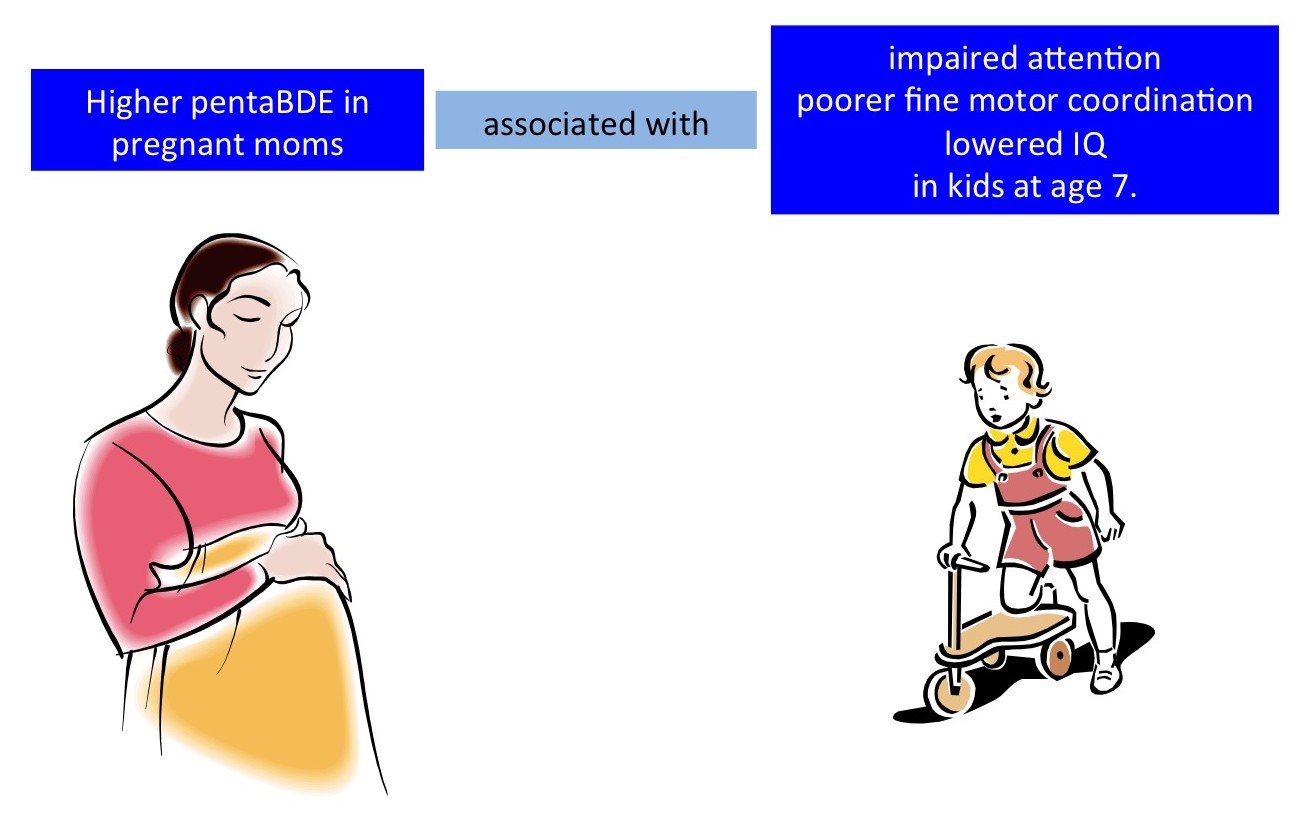
  1. The Environmental Protection Agency (EPA) commissioned psychologists to study children whose mothers were exposed to PCB’s during pregnancy. The researchers found  that the more PCBs  found in the mother’s cord blood, the worse the child did on tests for things such as short-term memory. By age eleven, the most highly exposed kids had an average IQ deficit of 6.2 [13].

9.  Cancer – chemicals used in textile processing which are linked to cancer include formaldehyde, lead, cadmium, pesticides, benzene, vinyl chloride – as well as pesticides on crops: 

  1. all childhood cancers have grown at about 1% per year for the past two decades[14]
  2.  brain cancer in children increased nearly 40% from 1973 to 1994[15]
  3. the environmental attributable fraction of childhood cancer can be between 5% and 90%, depending on the type of cancer[16]

10.  Lead – used in the textile industry in a variety of ways and as a component in dyestuffs –  is a neurotoxin – it affects the human brain and cognitive development, as well as the reproductive system. Some of the kinds of neurological damage  caused by lead are not reversible.        Specifically, it affects reading and reasoning abilities in  children, and is also linked to hearing loss, speech delay, balance difficulties and violent tendencies.[17]     Children are uniquely susceptible to lead exposure over time,  and  neural damage occurring during the period from 1 to 3 years of age is not likely to be reversible.  It’s also important to be aware  that lead available from tested products would not be the only source of  exposure in a child’s environment.        Lead is used in the textile industry in a variety of ways and under a variety of names:

    1. Lead acetate:                        dyeing of textiles
    2. Lead  chloride                      preparation of lead salts
    3. Lead molybdate                   pigments used in dyestuffs
    4. Lead nitrate                         mordant in dyeing; oxidizer in dyeing(4)

Studies have shown that if children are exposed to lead, either in the womb or in early childhood, their brains are likely to be smaller.[18]

Lead is a uniquely cumulative poison: the daily intake of lead is not as important a determinant of ultimate harm as is the duration of exposure and the total lead ingested over time.


[1] Lacasse and Baumann, Textile Chemicals, Springer, New York, 2004,  page 609; on behalf of the German Environmental Protection Agency.

[2] Pinkerton, LE, Hein, MJ and Stayner, LT, “Mortality among a cohort of garment
workers exposed to formaldehyde: an update”, Occupational Environmental
Medicine, 2004 March, 61(3): 193-200.

[3] Horstmann, M and McLachlan, M; “Textiles as a source of polychlorinated dibenzo-p-dioxins and dibenzofurrans (PCDD/F) in human skin and sewage sludge”, Environmental Science and Pollution Research, Vol 1, Number 1, 15-20, DOI: 10.1007/BF02986918  SEE ALSO:  Klasmeier, K, et al; “PCDD/F’s in textiles – part II: transfer from clothing to human skin”, Ecological Chemistry and Geochemistry, University of Bayreuth,  CHEMOSPHERE, 1.1999 38(1):97-108 See Also:  Hansen,E and Hansen, C; “Substance Flow Analysis for Dioxin 2002”, Danish Environmental Protection Agency, Environmental Project No.811 2003

[4] Philippe Grandjean, et al, “Serum Vaccine Antibody Concentrations in Children Exposed to Perfluorinated Compounds”, Journal of the American Medical Association,  january 25, 2012

[6] Occupational and Environmental Medicine 2010, 67:263-269 doi: 10.1136/oem.2009.049817 (abstract: http://oem.bmj.com/content/67/4/263.abstract)
SEE ALSO: http://www.breastcancer.org/risk/new_research/20100401b.jsp
AND http://www.medpagetoday.com/Oncology/BreastCancer/19321

[7] Nakazawa, Donna Jackson, “Diseases Like Mine Are a Growing Hazard”, Washington
Post
, March 16, 2008.

[11] Boyle, Coleen A., et al, “Trends in the Prevalence of Developmental Disabilities in U.S. children, 1997-2008”, Pediatrics,  February, 2011.

[12] Grant, Christine; Hauser, Peter; Oxenham, William, “Improving the Thermal Stability of Textile Processing Aids”, www.ntcresearch.org/pdf-rpts/AnRp04/C01-NS08-A4.pdf

[13] Shulevitz, Judith, “The Toxicity Panic”, The New Republic, April 7, 2011.

[15] New York Times, “New Toxins Suspected as Cancer Rate Rises in children”, September 29, 1997

[16] Gouveia-Vigeant, Tami and Tickner, Joel, “Toxic Chemicals and Childhood Cancer: a review of the evidence”, U of Massachusetts, May 2003

[17] ‘Safe’ levels of lead still harm IQ”, Associated Press, 2001

[18] Dietrich, KN et al, “Decreased Brain Volume in Adults with Childhood Lead
Exposure”, PLoS Med 2008 5(5): e112.

Choosing a fabric for your new sofa

O Ecotextiles (and Two Sisters Ecotextiles)

Design decisions influence our health –so your choice of a sofa fabric could influence you and your family in ways far beyond what you imagined.  Our children start life with umbilical cords infused with chemicals that affect the essence of human life itself  –   the ability to learn, reason and reproduce.  And fabric – which cocoons us most of the time, awake and asleep – is a contributor to this chemical load.  One thing I know for sure is that the textile industry uses lots of chemicals. During manufacturing, it takes from 10% to 100% of the weight of the fabric in chemicals to produce that fabric.(1) And the final fabric, if made of 100% natural fibers (such as cotton or linen), contains about 27% , by weight, chemicals(2) – let’s not even talk about synthetic fabrics.

Since 1999, the Centers for Disease Control (CDC) has tested Americans every two years in order to build a database of what are called “body burdens,”(3) in order to help toxicologists set new standards for exposure and definitively link chemicals to illness, or else decouple them. The study attempts to assess exposure to environmental chemicals in the general U.S. population – and the more chemicals they look for, the more they find: The CDC started with 27 worrisome chemicals in 1999 and now tests for 219. Their findings have shown that no matter whether you’re rich or poor; live in the center of a city or a pristine rural community; east coast, west coast or in between; are elderly or newborn; Republican, Democrat or Socialist – you have BPA in your blood, as well as polybrominated diphenylethers (PBDE)s – which can retard a fetus’s neurological development; perfluorooctanoic acid (PFOA) – which impairs normal development; perchlorate – which can keep the thyroid from making necessary hormones and methyl tert-butyl ethers (now banned in most states) and mercury. (Per- and polyfluoroalkyl substances are both included as PFAS.)

And the correlation between chemicals to illness seems to be on the rise (4) – certainly from studies done linking various chemicals to human disease and illness, but also because the spectrum of both “rare” and “common” illnesses is on the rise. The National Institutes of Health defines a rare disease as one affecting 200,000 or fewer Americans. Yet 25 – 30 million Americans suffer from one of the nearly 6,800 identifiable rare diseases. That compares to the 40 million Americans with one of the three “major” diseases: heart disease, cancer or diabetes.

Specifically with regard to fabrics: The 2010 AATCC (American Association of Textile Chemists and Colorists) Buyer’s Guide  lists about 2,000 chemical specialties in over 100 categories offered for sale by about 66 companies, not including dyes. The types of products offered run the gamut from antimicrobial agents and binders to UV stabilizers and wetting agents. Included are some of the most toxic known (lead, mercury, arsenic, formaldehyde, Bisphenol A, PBDE, PFOA). There are no requirements that manufacturers disclose the chemicals used in processing – chemicals which remain in the finished fabrics. Often the chemicals are used under trade names, or are protected by legislation as “trade secrets” in food and drug articles – but fabrics don’t even have a federal code to define what can/cannot be used because fabrics are totally unregulated in the U.S., except in terms of fire retardancy or intended use. It’s pretty much a free-for-all.

Why does the industry use so many chemicals? What are they used for?

Most fabrics are finished in what is called “wet processing” where the process is accomplished by applying a liquid – which accomplishes some sort of chemical action to the textile – as opposed to “dry processing”, which is a mechanical/physical treatment, such as brushing. It is a series of innumerable steps leading to the finished textile, each one of which also has a complex number of variables, in which a special chemical product is applied, impregnated or soaked with the textile fiber of the fabric. A defined sequence of treatments can then be followed by another sequence of treatments using another chemical substance. Typically, treatments are arranged to permit a continuous mode of sequences.

The chemicals used can be subdivided into:
Textile auxiliaries – this covers a wide range of functions, from cleaning natural fibers and smoothing agents to improving easy care properties. Included are such things as:

  • Complexing agents, which form stable water-soluble complexes
  • Surfactants, which lowers the surface tension of water so grease and oil to be removed more easily
  • Wetting agents, which accelerates the penetration of finishing liquors
  • Sequestering agents
  •  Dispersing agents
  • Emulsifiers

Textile chemicals (basic chemicals such as acids, bases and salts)
      Colorants, such as:

  • Dyes
  •  Dye-protective agents
  • Fixing agents
  • Leveling agents
  • pH regulators
  • Carriers
  • UV absorbers

Finishes
The chemicals used get very specific: for example, Lankem Ltd. is one such manufacturer of a range of textile chemicals. According to their website, their Kemtex AP, for example, is an “anti-precipitant” to be used “where dyes of opposing ionicity may be present in the same bath” and their Kemtex TAL is a levelling agent for wool which is a “highly effective level dyeing assistant for acid, acid milling and prematallised dyes on wool.”

In addition to the branded products supplied by chemical companies, which are made of unknown components because they’re proprietary, we know many chemicals are necessary to achieve certain effects, such as PBDEs for fire retardants, formaldehyde resins for crease resistance or PFOA’s for stain protection.
The chemicals used in these branded products to create the effects above include chemicals which have been proven to be toxic, or to cause cancers or genetic mutations in mammals (i.e., us too). The following is by no means an all-inclusive list of these chemicals:
• Alkylphenolethoxylates (APEOs)
• Pentachlorophenols (PCP)
• Toluene and other aromatic amines
• Dichloromethane (DCM)
• Formaldehyde
• Phthalates
• Polybrominated diphenyl ethers ( PBDE’s)
• Perfluorooctane sulfonates (PFOS)
• Heavy metals – copper, cadmium, lead, antimony, mercury among others

One of the presenters at the 2011 Living Building Challenge, inspired by writer Michael Pollan’s Food Rules,  shared a list of ways to choose products that remove the worst of the chemical contamination that plagues many products.

These rules apply to all products, including fabrics, so I’ve just edited them a bit to be fabric specific:

  • If it is cheap, it probably has hidden costs.
  • If it starts as a toxic input (like ethylene glycol in the manufacture of      polyester), you probably don’t want it in your house or office.
  • Use materials made from substances you can imagine in their raw or natural state.
  • Use carbohydrate-based materials (i.e., natural fibers) when you can.
  • Just because almost anything can kill you doesn’t mean fabrics should.
  • Pay more, use less.
  • Consult your nose – if it stinks, don’t use it.
  • If they can’t tell you what’s in it, you probably don’t want to live with it. (note: his is not just the fibers used to weave the fabric – did the processing  use specific chemicals, like heavy metals in the dyestuff, or formaldehyde in the finish?)
  • Avoid materials that are pretending to be something they are not.
  • Question materials that make health claims.
  • Regard space-age materials with skepticism.

(1)    Environmental Hazards of the Textile Industry, Hazardous Substances Research Centers, South and Southwest Outreach Program, US EPA funded consortium, June 2006.

(2)     Lacasse and Baumann, Textile Chemicals: Environmental Data and Facts; German Environmental Protection Agency, Springer, New York, 2004, page 609.

(3)    What is a “body burden”: Starting before birth, children are exposed to chemicals that impair normal growth and development. Exposures continue throughout our lives and accumulate in our bodies. These chemicals can interact within the body and cause illness. And they get passed on from parent to child for generations.

(4)    World Health Organization; http://www.who.int/healthinfo/global_burden_disease/en/index.html