What are Volatile Organic Compounds (VOC’s) that we hear so much about?
Simply, they are chemicals which are carbon-based (hence the “organic” in the name, as organic chemistry is the study of carbon containing compounds) and which volatilize – or rather, evaporate or vaporize – at ordinary (atmospheric) temperatures. This is a very broad set of chemicals!
These volatile organic compounds (VOC’s) are ubiquitous in the environment. You can’t see them, but they’re all around us. They’re not listed as ingredients on the products you bring home, but they’re often there. The most common VOC is methane, which comes from wetlands and rice agriculture to …well, “ruminant gases” (or cow farts – which are actually not a trivial consideration: cows are responsible for 18% of all greenhouse gasses – read more here). We ourselves contribute to CO2 emissions each time we breathe out. They’re also in paint, carpets, furnishings, fabrics and cleaning agents.
The evaporating chemicals from many products contribute to poor indoor air quality, which the U.S. Environmental Protection Agency estimates is two to five times worse than air outside – but concentrations of VOC’s can be as much as 1,000 times greater indoors than out. These chemicals can cause chronic and acute health effects, while others are known carcinogens. Hurricane Katrina proved a lesson in what happens when we don’t pay attention to indoor air quality: The trailers which were provided to refugees of Katrina proved, in a test done by the Centers for Disease Control and Prevention, to have formaldehyde levels that were 5 times higher than normal; with some levels as high as 40 times higher. Other airborne contaminants were found to be present. The result? This is from Newsweek, November 22, 2008:
” …the children of Katrina who stayed longest in ramshackle government trailer parks in Baton Rouge are “the sickest I have ever seen in the U.S.,” says Irwin Redlener, president of the Children’s Health Fund and a professor at Columbia University’s Mailman School of Public Health. According to a new report by CHF and Mailman focusing on 261 displaced children, the well-being of the poorest Katrina kids has “declined to an alarming level” since the hurricane. Forty-one percent are anemic—twice the rate found in children in New York City homeless shelters, and more than twice the CDC’s record rate for high-risk minorities. More than half the kids have mental-health problems. And 42 percent have respiratory infections and disorders that may be linked to formaldehyde…”
There is no clear and widely supported definition of a VOC. Definitions vary depending on the particular context and the locale. In the U.S., the EPA defines a VOC as any compound of carbon (excluding carbon monoxide, carbon dioxide, carbonic acid, metallic carbides or carbonates and ammonium carbonate) which reacts with sunlight to create smog – but also includes a list of dozens of exceptions for compounds “determined to have negligible photochemical reactivity.”
Under European law, the definition of a VOC is based on evaporation into the atmosphere, rather than reactivity, and the British coatings industry has adopted a labeling scheme for all decorative coatings to inform customers about the levels of organic solvents and other volatile materials present. Split into five levels, or “bands”, these span minimal, low, medium, high, and very high.
These differences in definition have led to a lot of confusion. Especially in the green building community, we think of VOCs as contributors to indoor air quality (IAQ) problems—and the amount of VOCs is often our only IAQ metric for a product. But there are lots of compounds that meet a chemist’s definition of VOC but are not photoreactive (as in the EPA definition) so are not defined as VOCs by regulators. Some of these chemicals—including formaldehyde, methyl chloride, and many other chlorinated organic compounds—have serious health and ecological impacts. Manufacturers can advertise their products as being “low-VOC” – while containing extremely toxic volatilizing chemicals, such as perchloroethane in paint, which is not listed as a VOC by the EPA and therefore not required to be listed!
The Canadian government (bless em) has an extensive list of which chemicals are considered VOC’s and you can access it here. When products are identified as to which might contain VOC’s, furnishings are often cited and formaldehyde is the chemical highlighted, because it’s the chemical used most widely in fabric finishes. However, there are many other chemicals on the list which are used in textile production, such as benzenes and benzidines; methylene chloride, tetrachloroethylene, toluene and pentachlorophenol.
Some manufacturers advertise the amount or type of VOC in their products – and that may or may not be a good indication of what is actually released into the air, because sometimes these chemicals morph into something new as they volatilize. The key word to remember is: reactive chemistry. The chemicals don’t exist in a vacuum – heat, light, oxygen and other chemicals all have an effect on the chemical.
VOC’s are also found in our drinking water – the EPA estimates that VOC’s are present in 1/5 of the nation’s water supplies. They enter the ground water from a variety of sources – from textile effluents to oil spills. The EPA lists VOC’s currently regulated in public water supplies (see that list here); they have established a maximum contaminant level (MCL) for each chemical listed. But little is known about the additive effects of these chemicals.
Another point to remember is that the evaporation doesn’t happen in a pouf! Chemicals evaporate over time – sometimes over quite long periods of time. The graph below is of various evaporating chemicals at ground zero (GZ) of the World Trade Center after the September 11 attacks:
For indoor air quality purposes we should look to results from chamber testing protocols that analyze key VOC’s individually. Most of these protocols – such as California’s Section 01350, GreenGuard for Children and Schools, Indoor Advantage Gold and Green Label Plus – reference California’s list of chemicals for which acceptable exposure limits have been established. But even this is not a comprehensive list.
Indoor air quality is certainly important, but in the case of fabrics there are many chemicals used in production which do not volatilize and which are certainly not beneficial to human health! These include the heavy metals used in dyestuffs and many of the polymers (such as PVC). So VOC considerations are just one part of the puzzle in evaluating a safe fabric.
Here we are in the 21st century, with its acute global issues of over-population, loss of natural habitat, carbon emissions and pollution of all kinds — in a nutshell the specter of diminishing resources and climate change. What’s a good architect to do? Some are saying that fabric structures – that ancient way of providing shelter – is in a unique position to contribute significantly to a more sustainable built environment. Fabric structures have a modest carbon footprint, minimal post-construction refuse, daylighting and water-harvesting capabilities, and are relatively easy and inexpensive to replace. According to Thomas Fisher, Dean of the College of Design at the University of Minnestoa, “Living lightly on the land is a key principle of sustainability, and fabric allows for that more effectively than almost any other material.”
Architects are finding new and unique ways of using fabric because there is a not so new polymer in their tool kit: ETFE (ethylene tetrafluoroethylene). This – some say- is the building material of the future. It’s a transparent plastic, related to Teflon, and is just 1% the weight of glass, but it transmits more light, is a better insulator and costs 24% to 70% less to install. It’s also resilient (able to bear 400 times its own weight, with an estimated 50 year life span), is self cleaning (dirt slides off its nonstick surface) and it’s recyclable.
Architects started working with ETFE about 15 years ago, but the material got a boost by being used in the 2008 Beijing Olympics, where it’s an integral part of the distinctive designs of both the Beijing National Stadium (called the Bird’s Nest – see photo on right) and the Aquatics Center (the Watercube, at the left).
ETFE has been described as a sturdier version of plastic cling wrap. It can be used in sheets or inflated into pillows. The 750,000 square foot Watercube is the largest ETFE project ever. It is clad entirely in blue ETFE cushions. It’s interesting to note that the Watercube is the first time the Sydney, Australia based PTW Architects, who designed the building, had ever used the fabric. They were that confident. Some bubbles in the design span 30 feet without any internal framing – a distance that wouldn’t be possible with other materials.
On an aesthetic level, the cushions reinforce the building’s theme. Their pillowy shapes evoke a bubble’s roundness, and their triple-layered construction, which mixes layers of blue film with transparent film, gives the façade a sense of depth and shifting color. And there’s the fun factor: ETFE comes in different finishes and colors, and can be lit from within using LED lights or decorated with light projections like a giant movie screen as in the picture. Once the Olympics started officials were able to transform the Watercube walls into a giant TV screen showing simultaneous projections of the swimming activities taking place inside. It can take myriad shapes too: strips can be heat-welded together like fabric squares in a quilt.
But what is ETFE – and what does it mean that it’s related to Teflon?
ETFE was developed by DuPont, working with NASA, as a thermo plastic version of Teflon. It was designed to have high corrosion resistance and durability to hold up under oppressive cosmic radiation that NASA would expose it to.
But Dr. Stefan Lehnert, a mechanical engineering student at the time, was looking for better foils for the sails on his sailboat. He experimented with ETFE and found a transparent, self cleaning, durable and very flexible material with just 1% weight of glass. It also expands to three times its normal length without losing elasticity and offers shade and insulation control. Dr. Lehnert founded Vector Foiltec in Germany in 1982, where they sold ETFE as the Texlon Foil System.
Today it’s being touted as the new green alternative. Why?
Affiliates of Brunel University in Middlesex and Buro Happold Consulting Engineers in London did a study of the environmental effects of ETFE manufacture and use for building cladding (it’s primary use). The study compares ETFE foil cushions to 6 mm glass and concluded the following:
“ETFE foils can improve the environmental performance of a building from two points of view: there is the opportunity to reduce the overall environmental burden incurred by the construction process itself; and there is also the opportunity to reduce the burden of the building during its lifetime. This is all dependent, however, on the ability of the architects and engineers to take advantage of both the flexibility and limitations of ETFE foil cushions.”
Using ETFE can accrue LEED points by giving you opportunities for daylighting a structure, reduction of steel for support structures, and it can save on transport costs because of its light weight. If you reduce the tonnage of steel, and reduce the raw building materials you have a real capacity to lighten up a building. The Texlon Foil System, according to the company, has low energy consumption during its manufacturing process , much of which includes recycled materials. The film itself is recyclable – the recycling is aided by the absence of additives in the manufacturing process, requiring only the ETFE and heat. It can also be a tensile structure for renewable energy sources such as photovoltaic panels and provide shade to keep buildings cool in hot climates.
Larry Medlin, professor and director of the School of architecture at the University of Arizona, says: “Fabric’s multiple capabilities from catching water, trellising plants, daylighting, and providing shade for cooling, are being looked at seriously,” he says. “Fabric can contribute to a regenerative landscape. This is important. It can’t be overlooked.” Medlin also explains that using fabric structures is one way to bring the indoor outside, as in the Edith Ball Center (shown at right), a project that required re-conceptualizing with a more innovative approach. Instead of being enclosed, the Center’s three community pools — lap, therapy and swimming — are under a dynamic, open fabric system that can be adjusted to season and climate.
But what about the material itself? And is it really recyclable? There are no life cycle analyses of ETFE that I know of (please let me know if you’re aware of one and I’ll post it here) so until we know the carbon footprint issues of this product I’m still a bit skeptical, although there seem to be many points in its favor.
ETFE – ethylene tetrafluoroethylene – is a fluorocarbon based polymer, aka “fluoropolymer” – a type of plastic. We did a blog posting on flurocarbons a few weeks back which can be accessed here. So the material is of the chemical family consisting of a carbon backbone surrounded by fluorine – part of the “Teflon” family of chemicals. These chemicals as a group are highly suspect, since PTFE (which is the building block for Teflon) has been found to produce PFOA as a by product. From our blog post: ” They (perflurocarbons) are the most persistent synthetic chemicals known to man. Once they are in the body, it takes decades to get them out – assuming you are exposed to no more. They are toxic in humans with health effects from increased chloesterol to stroke and cancer. Alarmed by the findings from toxicity studies, the EPA announced on December 30, 2009, that PFC’s (long-chain perfluorinated chemicals)would be on a “chemicals of concern” list and action plans could prompt restrictions on PFC’s and the other three chemicals on the list.” The Stockholm Convention on Persistent Organic Pollutants states that PFOS is used in some ETFE production.
ETFE is not a derivative of a petrochemical. It is manufactured from fluorspar (CaF2), trichloromethane (CHCl3) – called chlorodifluoromethane (CHF2CL) – and hydrogen sulfate (HSO4). Chlorodifluoromethane is a raw material classified as a class II substance under the Montreal Treaty on ozone depleting substances. Class II substances are scheduled to be phased out but have a later timeline than Class I substances.
The by products formed during ETFE manufacture are calcium sulfate (CaSO4), hydrogen fluoride (HF) and hydrochloric acid (HCl). The calcium sulfate and hydrogen fluoride are reused to produce more fluorspar which can be used again as in input into the manufacturing process.
The manufactured ETFE is sold as pellets, which are then heated and extruded into sheets 50 – 200 microns thick.
As one pundit has said: if this is a recyclable product, what chemicals are running off into our water supply? Do we know what those ETFE chemicals do to humans – not to mention cows, tree frogs or trees – if ingested?
One thing we DO know about ETFE is that fumes given off at 300 degrees Centigrade cause flu like symptoms in humans, and above 400 degrees C – they’re toxic. (1) I have seen articles which say it is combustible and others that say ETFE is considered self extinguishing. What everyone agrees on is that in the event of a fire, the foil will then shrink from the fire source, thereby self-venting, and letting smoke out of the building.
I can’t make up my mind on ETFE as a sustainable building material. What do you think?
This week I’m digressing just a bit from textiles, because I just read Amy Goodman’s column about what the search for natural gas and oil is doing to us. My eyes were opened and I want to share!
Almost everybody agrees that if we’re going to curb our greenhouse gas emissions we have to find alternatives for the coal that fuels almost half the nation’s electricity. Natural gas emits half the carbon dioxide of coal, per unit of energy. Until recently, natural gas has not been economically viable, because it was locked in shale formations under ground. But drillers have now learned how to tap into the shale deposits and extract the gas – but as you’ll see from the rest of the post, there is a considerable cost.
Here is Amy Goodman’s column which I read in Saturday morning’s paper, “Cracking Down on Fracking”:
Mike Markham of Colorado has an explosive problem: His tap water catches fire. Markham demonstrates this in a new documentary, “Gasland,” which just won the Sundance Film Festival Special Jury Prize. Director Josh Fox films Markham as he runs his kitchen faucet, holding a cigarette lighter up to the running water. After a few seconds, a ball of fire erupts out of the sink, almost enveloping Markham’s head.
The source of the flammable water, and the subject of “Gasland,” is the mining process called hydraulic fracturing, or “fracking.”
Fracking is used to access natural gas and oil reserves buried thousands of feet below the ground. Companies like Halliburton drill down vertically, then send the shaft horizontally, crossing many small, trapped veins of gas and oil. Explosive charges are then set off at various points in the drill shaft, causing what Fox calls “mini-earthquakes.” These fractures spread underground, allowing the gas to flow back into the shaft to be extracted. To force open the fractures, millions of gallons of liquid are forced into the shaft at very high pressure.
The high-pressure liquids are a combination of water, sand and a secret mix of chemicals. Each well requires between 1 million and 7 million gallons of the fluid every time gas is extracted. Drillers do not have to reveal the chemical cocktail, thanks to a slew of exemptions given to the industry, most notably in the 2005 Energy Policy Act, which actually granted the fracking industry a specific exemption from the Safe Drinking Water Act. California Congressman Henry Waxman, chair of the House Energy and Commerce Committee, has just announced an investigation into the composition of the proprietary chemicals used in fracking. In a Feb. 18 letter, Waxman commented on the Safe Drinking Water Act exemption: “Many dubbed this provision the ‘Halliburton loophole’ because of Halliburton’s ties to then-Vice President Cheney and its role as one of the largest providers of hydraulic fracturing services.” Before he was vice president, Dick Cheney was the CEO of Halliburton.
In an earlier investigation, Waxman learned that Halliburton had violated a 2003 nonbinding agreement with the government in which the company promised not to use diesel fuel in the mix when extracting from certain wells. Halliburton pumped hundreds of thousands of gallons of toxic, diesel-containing liquids into the ground, potentially contaminating drinking water.
According to the Department of Energy, there were more than 418,000 gas wells in the U.S. as of 2006. Since the Environmental Protection Agency lacks authority to investigate and regulate fracking, the extent of the pollution is unknown. Yet, as Josh Fox traveled the country, becoming increasingly engrossed in the vastness of the domestic drilling industry and the problems it creates, he documented how people living near gas wells are suffering water contamination, air pollution and numerous health problems that crop up after fracking. It’s personal for Fox: He lives in Pennsylvania, on a stream that feeds into the Delaware River, atop the “Marcellus Shale,” a subterranean region from New York to Tennessee with extensive natural gas reserves. Fracking in the Marcellus Shale could potentially contaminate the water supplies of both New York City and Philadelphia. Fox was offered almost $100,000 for the gas rights to his 19 acres, which led him to investigate the industry, and ultimately to produce his award-winning documentary.
There is virtually no federal oversight of fracking, leaving the budget-strapped states to do the job with a patchwork of disparate regulations. They are no match for the major, multinational drilling and energy companies that are exploiting the political goal of “energy independence.” The nonprofit news website ProPublica.org found that, out of 31 states examined, 21 have no regulations specific to hydraulic fracturing, and none requires the companies to report the amount of the toxic fluid remaining underground.
Reports indicate that almost 600 different chemicals are used in fracking, including diesel fuel and the “BTEX” chemicals: benzene, toluene, ethylbenzene and xylenes, which include known carcinogens.
Dr. Theo Colborn, zoologist and expert on chemical pollution from fracking, appears in “Gasland,” saying, “Every environmental law we wrote to protect public health is ignored. … We can’t monitor until we know what they’re using.”
Fox ends “Gasland” with an excerpt of a congressional hearing. Rep. Diana DeGette, D-Colo., and Rep. Maurice Hinchey, D-N.Y., aggressively question gas industry executives about water contamination. The two have submitted a bill, the proposed FRAC Act, which would remove the “Halliburton loophole,” forcing drillers to reveal the chemical components used in fracking. It’s time to close the door on the Cheney energy policy and take immediate steps to protect clean water.
Water. Our lives depend on it. It’s so plentiful that the Earth is sometimes called the blue planet – but freshwater is a remarkably finite resource that is not evenly distributed everywhere or to everyone. The number of people on our planet is growing fast, and our water use is growing even faster. About 1 billion people lack access to potable water, and about 5 million people die each year from poor drinking water, or poor sanitation often resulting from water shortage[1] – that’s 10 times the number of people killed in wars around the globe.[2] And the blues singers got it right: you don’t miss your water till the well runs dry.
I just discovered that the word “rival” comes from the Latin (rivalis) meaning those who share a common stream. The original meaning, apparently, was closer to our present word for companion, but as words have a way of doing, the meaning became skewed to mean competition between those seeking a common goal.
This concept – competition between those seeking a common goal – will soon turn again to water, since water, as they say, is becoming the “next oil”; there’s also talk of “water futures” and “water footprints” – and both governments and big business are looking at water (to either control it or profit from it). Our global water consumption rose sixfold between 1900 and 1995 – more than double the rate of population growth – and it’s still growing as farming, industry and domestic demand all increase. The pressure is on.
Note: There are many websites and books which talk about the current water situation in the world, please see our bibliography which is at the bottom of this post.
What does all this have to do with fabrics you buy?
The textile industry uses vast amounts of water throughout all processing operations. Almost all dyes, specialty chemicals and finishing chemicals are applied to textiles in water baths. Most fabric preparation steps, including desizing, scouring, bleaching and mercerizing, use water. And each one of these steps must be followed by a thorough washing of the fabric to remove all chemicals used in that step before moving on to the next step. The water used is usually returned to our ecosystem without treatment – meaning that the wastewater which is returned to our streams contains all of the process chemicals used during milling. This pollutes the groundwater. As the pollution increases, the first thing that happens is that the amount of useable water declines. But the health of people depending on that water is also at risk, as is the health of the entire ecosystem.
When we say the textile industry uses a lot of water, just how much is a lot? One example we found: the Indian textile industry uses 425,000,000 gallons of water every day [3] to process the fabrics it produces. Put another way, it takes about 20 gallons of water to produce one yard of upholstery weight fabric. If we assume one sofa uses about 25 yards of fabric, then the water necessary to produce the fabric to cover that one sofa is 500 gallons. Those figures vary widely, however, and often the water footprint is deemed higher. The graphic here is from the Wall Street Journal, which assigns 505 gallons to one pair of Levi’s 501 jeans [4]:
The actual amount of water used is not really the point, in my opinion. What matters is that the water used by the textile industry is not “cleaned up” before they return it to our ecosystem. The textile industry’s chemically infused effluent – filled with PBDEs, phthalates, organochlorines, lead and a host of other chemicals that have been proven to cause a variety of human health issues – is routinely dumped into our waterways untreated. And we are all downstream.
The process chemicals used by the mills are used on organic fibers just as they’re used on polyesters and conventionally produced natural fibers. Unless the manufacturer treats their wastewater – and if they do they will most assuredly let you know it, because it costs them money – then we have to assume the worst. And the worst is plenty bad. So just because you buy something made of “organic X”, there is no assurance that the fibers were processed using chemicals that will NOT hurt you or that the effluent was NOT discharged into our ecosystem, to circulate around our planet.
You might hear from plastic manufacturers that polyester has virtually NO water footprint, because the manufacturing of the polyester polymer uses very little water – compared to the water needed to grow or produce any natural fiber. That is correct. However, we try to remind everyone that the production of a fabric involves two parts:
The production of the fiber
The weaving of the fiber into cloth
The weaving portion uses the same types of process chemicals – same dyestuffs, solubalisers and dispersents, leveling agents, soaping, and dyeing agents, the same finishing chemicals, cationic and nonionic softeners, the same FR, soil and stain, anti wrinkling or other finishes – and the same amount of water and energy. And recycled polyesters have specific issues:
The base color of the recycled polyester chips vary from white to creamy yellow, making color consistency difficult to achieve, particularly for the pale shades. Some dyers find it hard to get a white, so they’re using chlorine-based bleaches to whiten the base.
Inconsistency of dye uptake makes it difficult to get good batch-to-batch color consistency and this can lead to high levels of re-dyeing, another very high energy process. Re-dyeing contributes to high levels of water, energy and chemical use.
Unsubstantiated reports claim that some recycled yarns take almost 30% more dye to achieve the same depth of shade as equivalent virgin polyesters.[5]
Another consideration is the introduction of PVC into the polymer from bottle labels and wrappers.
So water treatment of polyester manufacturing should be in place also. In fact there is a new standard called the Global Recycle Standard, which was issued by Control Union Certifications. The standard has strict environmental processing criteria in place in addition to percentage content of recycled product – it includes wastewater treatment as well as chemical use that is based on the Global Organic Textile Standard (GOTS) and the Oeko-Tex 100.
And to add to all of this, Maude Barlow, in her new book, Blue Covenant (see bibliography below) argues that water is not a commercial good but rather a human right and a public trust. These mills which are polluting our groundwater are using their corporate power to control water they use – and who gives them that right? If we agree that they have the right to use the water, shouldn’t they also have an obligation to return the water in its unpolluted state? Ms. Barlow and others around the world are calling for a UN covenant to set the framework for water a a social and cultural asset, not an economic commodity, and the legal groundwork for a just system of distribution.
[1]Tackling the Big Three (air and water pollution, and sanitation), David J. Tenenbaum, Environmental Health Perspectives, Volume 106, Number 5, May 1998.
[2] Kirby, Alex, “Water Scarcity: A Looming Crisis?”, BBC News Online
[3] CSE study on pollution of Bandi river by textile industries in Pali town, Centre for Science and Environment, New Delhi, May 2006 and “Socio-Economic, Environmental and Clean Technology Aspects of Textile Industries in Tiruppur, South India”, Prakash Nelliyat, Madras School of Economics.
[4] Alter, Alexandra, “Yet Another Footprint to worry about: Water”, Wall Street Journal, February 17, 2009
[5] “Reduce, re-use,re-dye?”, Phil Patterson, Ecotextile News, August/September 2008
Synthetic fibers are the most popular fibers in the world with 65% of world production of fibers being synthetic and 35% natural fibers. (1) Fully 70% of that synthetic fiber production is polyester. There are many different types of polyester, but the type most often produced for use in textiles is polyethylene terephthalate, abbreviated PET. Used in a fabric, it’s most often referred to as “polyester” or “poly”. It is very cheap to produce, and that’s a primary driver for its use in the textile industry.
The majority of the world’s PET production – about 60% – is used to make fibers for textiles; and about 30% is used to make bottles. Annual PET production requires 104 million barrels of oil – that’s 70 million barrels just to produce the virgin polyester used in fabrics.(2) That means most polyester – 70 million barrels worth – is manufactured specifically to be made into fibers, NOT bottles, as many people think. Of the 30% of PET which is used to make bottles, only a tiny fraction is recycled into fibers. But the idea of using recycled bottles – “diverting waste from landfills” – and turning it into fibers has caught the public’s imagination. There are many reasons why using recycled polyester (often called rPET) is not a good choice given our climate crisis, but today’s post is concentrating on only one aspect of polyester: the fact that antimony is used as a catalyst to create PET. We will explore what that means.
Antimony is present in 80 – 85% of all virgin PET. Antimony is a carcinogen, and toxic to the heart, lungs, liver and skin. Long term inhalation causes chronic bronchitis and emphysema. The industry will say that although antimony is used as a catalyst in the production process, it is “locked” into the finished polymer, and not a concern to human health. And that’s correct: antimony used in the production of PET fibers becomes chemically bound to the PET polymer so your PET fabric does contain antimony but it isn’t available to your living system. (2)
But wait! Antimony is leached from the fibers during the high temperature dyeing process. The antimony that leaches from the fibers is expelled with the wastewater into our rivers (unless the fabric is woven at a mill which treats its wastewater). In fact, as much as 175ppm of antimony can be leached from the fiber during the dyeing process. This seemingly insignificant amount translates into a burden on water treatment facilities when multiplied by 19 million lbs each year – and it’s still a hazardous waste when precipitated out during treatment. Countries that can afford technologies that precipitate the metals out of the solution are left with a hazardous sludge that must then be disposed of in a properly managed landfill or incinerator operations. Countries who cannot or who are unwilling to employ these end-of-pipe treatments release antimony along with a host of other dangerous substances to open waters.
But what about the antimony that remains in the PET fabric? We do know that antimony leaches from PET bottles into the water or soda inside the bottles. The US Agency for Toxic Substances and Disease Registry says that the antimony in fabric is very tightly bound and does not expose people to antimony, (3) as I mentioned earlier. So if you want to take the government’s word for it, antimony in PET is not a problem for human health – at least directly in terms of exposure from fabrics which contain antimony. (Toxics crusader William McDonough has been on antimony’s case for years, however, and takes a much less sanguine view of antimony. (4) )
Antimony is just not a nice thing to be eating or drinking, and wearing it probably won’t hurt you, but the problem comes up during the production process – is it released into our environment? Recycling PET is a high temperature process, which creates wastewater tainted with antimony trioxide – and the dyeing process for recycled PET is problematic as I mentioned in an earlier post. Another problem occurs when the PET (recycled or virgin) is finally incinerated at the landfill – because then the antimony is released as a gas (antimony trioxide). Antimony trioxide has been classified as a carcinogen in the state of California since 1990, by various agencies in the U.S. (such as OSHA, ACGIH and IARC) and in the European Union. And the sludge produced during PET production (40 million pounds in the U.S. alone) when incinerated creates 800,000 lbs of fly ash which contains antimony, arsenic and other metals used during production.(5)
Designers are in love with polyesters because they’re so durable – and cheap (don’t forget cheap!). So they’re used a lot for public spaces. Abrasion results are a function not only of the fiber but also the construction of the fabric, and cotton and hemp can be designed to be very durable, but they will never achieve the same abrasion results that some polyesters have achieved – like 1,000,000 rubs. In the residential market, I would think most people wouldn’t want a fabric to last that long – I’ve noticed sofas which people leave on the streets with “free” signs on them, and never once did I notice that the sofa was suffering from fabric degredation! The “free” sofa just had to go because it was out of style, or stained, or something – I mean, have you even replaced a piece of furniture because the fabric had actually worn out? Hemp linens have been known to last for generations.
But I digress. Synthetic fibers can do many things that make our lives easier, and in many ways they’re the true miracle fibers. I think there will always be a place for (organic) natural fibers, which are comfortable and soothing next to human skin. And they certainly have that cachet: doesn’t silk damask sound better than Ultrasuede? The versatile synthetics have a place in our textile set – but I think the current crop of synthetics must be changed so the toxic inputs are removed and the nonsustainable feedstock (oil) is replaced. I have great hope for the biobased polymer research going on, because the next generation of miracle fibers just might come from sustainable sources.
Last week I promised to take a look at soil and stain repellant finishes to see how each is applied and/or formulated. Some of these trademarked finishes claim impeccable green credentials, so it’s important that we are able to evaluate their claims – or at least know the jargon! The chemistry here, as I said in last week’s post, is dense. The important thing to remember about all these finishes is that they all depend on flurocarbon based chemistry to be effective.
The oldest water repellant finishes for fabrics were simply coatings of paraffin or wax – and they generally washed out eventually. Perfluorochemicals (PFC’s) are the only chemicals capable of repelling water, oil and other liquids that cause stains. Fabrics finished with PFCs have nonstick properties; this family of chemicals is used in almost all the stain repellant finishes on the market today. Other materials can be made to perform some of these functions but suffer when subjected to oil and are considerably less durable. (Per- and polyfluoroalkyl substances are both included as PFAS.)
The earliest type of stain resistant finish (using these PFCs) prevented the soil from penetrating the fiber by coating the fiber. For use on a textile, the chemicals are joined onto binders (polyurethane or acrylic) that acts as a glue to stick them to the surface of the fabric. Gore Tex is one of these early coatings – a thin film was laminated onto the fabric; another, manufactured by 3M Corporation for nearly 50 years, is Scotchgard. Scotchgard was so popular and became so ubiquitous that “Scotchgard” entered the language as a verb.
The chemical originally used to make Scotchgard and Gore Tex breaks down into perfluorooctane sulfonate, or PFOS, a man-made substance that is part of the family of perfluorochemicals. PFOS and PFOA have chains of eight carbon atoms; the group of materials related to PFOA and PFOS is called C8 – this is often referred to as “C8 chemistry”.
An aside on C8 chemistry:
If you recall from last week’s post, the PFC family consists of molecules having a carbon backbone, fully surrounded by fluorine. Various “cousins” have carbon backbones of different lengths: PFOS or C8, for example, has 8 carbon atoms, C7 has 7, and so on. There is controversy today about the so-called “bad” fluorocarbons (C8 ) and the “good” ones (C6) which I’ll address below.
C8 – (the backbone is made of a chain of 8 carbon atoms): two methods are used to produce two slightly different products:
1) electrofluorination: uses electrolysis to replace hydrogen atoms in a molecule by fluorine atoms to create the 8 unit chain containing just carbon and fluorine. A small amount of PFOS (perfluorooctane sulphonate) is created during this process.
2) Telomerisation: chemical equivalent of making a daisy chain: produces mini polymers by joining single units together in chains. The usual aim is to produce chains that are an average of 8 units long, but the process is not perfect and a range of chain length will result – ranging from 4 units to 14 units in length. So you can have a C4, C6, C12, etc. In this method a small amount of byproduct called PFOA (perfluorooctanoic acid) is produced.
C6 – this chemistry produces a by-product called PFHA (perfluorohexanoic acid), which is supposed to be 40 times less bioaccumulative than PFOA. But it’s also less effective, so more of the chemical has to be used to achieve the same result. Manufacturers are trying to find smaller and smaller perfluorocarbon segments in their products, and even C4 has been used. The smaller the fluorocarbon, the more rapidly it breaks down in the environment. Unfortunatley, the desired textile performance goes down as the size of the perfluorocarbon goes down. “C6 is closest chemically to C8, but it contains no PFOA. It breaks down in the environment – a positive trait – but it doesn’t stick as well to outerwear and it doesn’t repel water and oil as well as C8, which means it falls short of meeting a vague industry standard, as well as individual company standards for durability and repellency.”[1]
Back to Scotchgard:
Scientists noticed that PFOS (the C8 fluorocarbon) began showing up everywhere: in polar bears, dolphins, baby eagles, tap water and human blood. So did its C8 cousin PFOA. These two man-made perfluorochemicals (PFOS and PFOA) don’t decompose in nature. They kill laboratory rats at higher doses, and there are potential links to tissue problems, developmental delays and some forms of cancer. Below are tables of results which the U.S. Environmental Protection Agency released from data collected by 3M and DuPont; some humans have more PFOA in their blood than the estimated levels in animals in this study. For a complete review of this study, see the Environmental Working Group’s website, http://www.ewg.org/node/21726.
PFOA and PFOS, according to the U.S. EPA:
Are very persistent in the environment.
Are found at very low levels both in the environment and in the blood of the U.S. population.
Remain in people for a very long time.
Cause developmental and other adverse effects in laboratory animals.
Eventually 3M discontinued Scotchgard production. Yet accounts differ as to whether 3M voluntarily phased out the problematic C8 chemistry or was pressured into it by the EPA after the company shared its data in late 1999. Either way, the phase-out was begun in December 2000, although 3M still makes small amounts of PFOA for its own use in Germany. 3M, which still monitors chemical plants in Cottage Grove, Decatur, and Antwerp, Belgium, insists there are no risks for employees who handled or were exposed to the chemicals. Minnesota Public Radio published a timeline for milestones in 3M’s Scotchgard, which can be accessed here.
The phase-out went unnoticed by most consumers as 3M rapidly substituted another, less-effective spray for consumers, and began looking for a reformulated Scotchgard for carpet mills, apparel and upholstery manufacturers. For its substitute, 3M settled on perfluorobutane sulfonate, or PFBS, a four-carbon cousin of the chemical in the old Scotchgard, as the building block for Scotchgard’s new generation. This new C4-based Scotchgard is completely safe, 3M says. The company adds that it has worked closely with the EPA and has performed more than 40 studies, which are confidential. Neither 3M nor the EPA will release them.
According to 3M, the results show that under federal EPA guidelines, PFBS isn’t toxic and doesn’t accumulate the way the old chemical did. It does persist in the environment, but 3M concluded that isn’t a problem if it isn’t accumulating or toxic. PFBS can enter the bloodstream of people and animals but “it’s eliminated very quickly” and does no harm at typical very low levels, said Michael Santoro, 3M’s director of Environmental Health, Safety & Regulatory Affairs. 3M limits sales to applications where emissions are low.
3M says convincing consumers Scotchgard is safe is not its No. 1 challenge; rather it’s simply getting the new, new Scotchgard out. The brand, 3M maintains, is untarnished. “This issue of safety, oddly enough, never registered on the customers’ radar screen,” said Michael Harnetty, vice president of 3M’s protective-materials division.
Scotchgard remains a powerful brand: “We still get really good requests like, ‘Will you Scotchgard this fabric with Teflon?’ ” said Robert Beaty, V.P. of Sales for The Synthetic Group, a large finishing house.[2]
Another early soil resistant finish is Teflon, which was produced by DuPont. Teflon is based on C8 chemistry, and PFOA is a byproduct of the manufacturing of fluorotelomers used in the Teflon chemistry.
There has been a lot of information on 3M, DuPont and these two products, Scotchgard and Teflon, on the web. The Environmental Working Group http://www.ewg.org/ has detailed descriptions of what these chemicals do to us, as well as the information on the many suits, countersuits, and research studies. The companies say their new reformulated products are entirely safe – and other groups such as the Environmental Working Group, question this assumption.
By the way, both DuPont and 3M advertise their products as being “water based” – and they are, but that’s not the point and doesn’t address the critical issues. In TerraChoice’s “Seven Sins of Greenwashing” this would be considered Sin #5: the sin of irrelevance, which is: “An environmental claim that may be truthful but is unimportant or unhelpful for consumers seeking environmentally preferable products. ‘CFC-free’ is a common example, since it is a frequent claim despite the fact that CFCs are banned by law.”
In January 2006, the U.S. Environmental Protection Agency (EPA) approached the eight largest fluorocarbon producers and requested their participation in the 2010/15 PFOA Stewardship Program, and their commitment to reduce PFOA and related chemicals globally in both facility emissions and product content 95 percent by 2010, and 100 percent by 2015.
The fluoropolymer manufacturers are improving their processes and reducing their waste in order to reduce the amount of PFOA materials used. The amount of PFOA in finishing formulations is greatly diminished and continues to go down, but even parts per trillion are detectable. Finishing formulators continue to evaluate new materials which can eliminate PFOA while maintaining performance but a solution is still over the horizon. One critical piece in this puzzel is that PFOA is also produced indirectly through the gradual breakdown of fluorotelomers – so a stain resistant finish may be formulated with no detectable amounts of PFOA yet STILL produce PFOA when the chemicals begin to decompose.
Recently a new dimension was added to stain resistant formulations, and that is the use of nanotechnology.
Nanotechnology is defined as the precise manipulation of individual atoms and molecules to create layered structures. In the world of nanoscience, ordinary materials display unique properties at the nanoscale. The basic premise is that properties can dramatically change when a substance’s size is reduced to the nanometer range. For example, ceramics which are normally brittle can be deformable when their size is reduced. In bulk form, gold is inert, however, once broken down into small clusters of atoms it becomes highly reactive.
Like any new technology, nanomaterials carry with them potential both for good and for harm. The most salient worries concern not apocalyptic visions, but rather the more prosaic and likely possibility that some of these novel materials may turn out to be hazardous to our health or the environment. As John D. Young and Jan Martel report in “The Rise and Fall of Nanobacteria,” even naturally occurring nanoparticulates can have an deleterious effect on the human body. If natural nanoparticulates can harm us, we would be wise to carefully consider the possible actions of engineered nanomaterials. The size of nanoparticles also means that they can more readily escape into the environment and infiltrate deep into internal organs such as the lungs and liver. Adding to the concern, each nanomaterial is unique. Although researchers have conducted a number of studies on the health risks of individual materials, this scattershot approach cannot provide a comprehensive picture of the hazards—quantitative data on what materials, in what concentrations, affect the body over what timescales.
As a result of these concerns, in September, 2009, the U.S. EPA announced a study of the health and environmental effects of nanomaterials – a step many had been advocating for years. And this isn’t happening any too soon: more than 1,000 consumer products containing nanomaterials are available in the U.S. and more are added every day.
And nanotechnology has been used for textiles in many ways: at the fiber as well as the fabric level, providing an extraordinary array of nano-enabled textile products (most commonly nanofibers, nanocomposite fibers and nanocoated fibers) – as well as in soil and stain resistance.
For scientists who were trying to apply nanotechnology to textile soil and stain repellency, they turned, as is often the case in science, to nature: Studying the surface of lotus leaves, which have an incredible ability to repel water, scientists noticed that the surface of the lotus leaf appears smooth but is actually rough and naturally dirt and water repellent. The rough surface reduces the ability of water to spread out. Tiny crevices in the leaf’s surface trap air, preventing the water droplets from adhering to the service. As droplets roll off the surface they pick up particles of dirt lying in their path. Using this same concept, scientists developed a nanotechnology based finish that forms a similar structure on the fibers surface. Fabrics can be cleaned by simply rinsing with water.
Nano-Tex (www.nano-tex.com) was the first commercially available nanoparticle based soil repellant fabric finish. It debuted in December of 2000. Another nanotech based soil repellant is GreenShield (www.greenshieldfinish.com) which debuted in 2007. Both these finishes, although they use nanotechnology, also base their product on fluorocarbon chemistry. Nano-Tex’s website does not give much information about their formulation – basically they only say that it’s a new technology that “fundamentally transforms each fiber through nanotechnology”. You won’t get much more in the way of technical specifications out of Nano-Tex. GreenShield is much more forthcoming with information about their process.
In the GreenShield finishes, the basic nanoparticle is amorphous silica, an inert material that has a well-established use in applications involving direct human consumption, and is generally recognized as safe and approved by the Food and Drug Administration (FDA) and Environmental Protection Agency for such applications. The use of silica enables GreenShield to reduce the amount of flurocarbons by a factor of 8 or more from all other finishes and it reduces overall chemical load by a factor of three – making GreenShield the finish which uses the least amount of these flurocarbons.
The GreenShield finish gets mixed environmental ratings, however. Victor Innovatix’s Eco Intelligent Polyester fabrics with GreenShield earned a Silver rating in the Cradle to Cradle program. However, the same textile without the GreenShield finish (or any finish) earned a higher Gold rating, reflecting the risk of toxicity introduced to the product by GreenShield. Information on product availability is at www.victor-innovatex.com.
I grew up with Scotchgard on sofas, Teflon on non-stick pans and GoreTex on my raincoat. These trademarked items were all made possible through the vast PFC (perfluorocarbon) family of chemicals which has transformed our lives – and the textile industry. When applied to fabrics, they provide water and stain resistance. These perfluorocarbons – commonly known as fluorocarbons – are among the most politicized and least understood chemicals used in the textile industry. Until recently, they were thought to be biologically inert. No one thinks so now.
The multi-billion dollar “perfluorocarbon” (PFC) industry has emerged as a regulatory priority for scientists and officials at the U.S. Environmental Protection Agency (EPA) because of a flood of disturbing scientific findings which have been published since the late 1990s. These findings have elevated PFCs to the rogues gallery of highly toxic, extraordinarily persistent chemicals that pervasively contaminate human blood and wildlife the world over. Government scientists are especially concerned because unlike any other toxic chemicals, the most pervasive and toxic members of the PFC family never degrade in the environment.
Here’s a quick dictionary of perfluorochemicals from the Environmental Working Group to give you an overview:
Perfluorinated chemicals or Perfluorochemicals (PFC): A chemical family consisting of a carbon backbone fully surrounded by fluorine, which makes them impervious to heat, acid or other forces that typically break down chemical compounds. Sometimes referred to as ‘Teflon’ chemicals.
Fluorotelomer: Chemicals that become PFCs when they are released in the environment. These are the chemicals applied to food packaging, stain resistant clothing, and carpet protection.
PFOA: Perfluorooctanoic acid. Breakdown product of fluorotelomers and backbone of many consumer products. Also used as a surfactant to produce PTFE, the Teflon in pans. Sometimes called C8.
PFOS: Perfluorooctanyl sulfate. Breakdown product of fluorotelomers that are based on 3M chemistry.
C8, C6, et al: The range of chemicals that are identical to PFOA but with carbon backbones of varying length. PFOA/C8 has 8 carbons, C7 has 7, and so on. These are breakdown products of fluorotelomers.
PTFE: Polytetrafluoroetheylene. Polymer used for cookware and other non-stick applications. Brand names include Teflon and Silverstone. A physically expanded form of PTFE is used to make Gore-Tex. PFOA is an ingredient in the manufacture of PTFE.
Teflon: Teflon is a brand name, it is not a single chemical. Teflon can refer to PTFE or to a fluorotelomer or to any number of perfluorochemicals. Perfluorochemicals are often termed “Teflon” chemicals or as having “Teflon” chemistry.
Perfluorocarbons break down within the body and in the environment to PFOA, PFOS and similar chemicals. (Note: the chemistry here is quite dense; I’ve tried to differentiate between the groups. Please let me know if I’ve made a mistake!) They are the most persistent synthetic chemicals known to man. Once they are in the body, it takes decades to get them out – assuming you are exposed to no more. They are toxic in humans with health effects from increased chloesterol to stroke and cancer. Alarmed by the findings from toxicity studies, the EPA announced on December 30, 2009, that PFC’s (long-chain perfluorinated chemicals)would be on a “chemicals of concern” list and action plans could prompt restrictions on PFC’s and the other three chemicals on the list. ( The other three chemicals on the list are polybrominated diphenyl ethers (PBDEs), phthalates and short-chain chlorinated paraffins (SCCPs) Three of these four chemicals are used in textile processing.)
Although little PFOA can be found in the finished product, the breakdown of the fluorotelomers used on paper products and fabric treatments might explain how more than 90% of all Americans have these hyper-persistent, toxic chemicals in their blood. A growing number of researchers believe that fabric-based, stain-resistant coatings, which are ubiquitous, may be the largest environmental source of this controversial chemical family of PFCs.
There are many finishes on the market that claim to provide soil and stain repellants for fabrics. Among the more well known are:
Scotchguard
Teflon
Zepel
NanoTex
GreenShield
Crypton Green
Each one of these finishes uses fluorocarbon chemistry to achieve their results; but they all go about it a bit differently. And therein lies all the difference.
So when you ask for a treatment to make a sofa fabric soil and stain resistant, or a raincoat rain repellant, what does it mean for the environment? Well, it sorta depends. I thought we could cover each one of these in one post, but it gets complicated. So next week we’ll look at individual finishes.
In last week’s post I explained that polyurethane foam (polyfoam) has a plethora of problems associated with it:
The chemicals used to manufacture the foam have been formally identified as carcinogens; and the flame retardant chemicals added to almost all foams increase the chemical toxicity. These chemicals evaporate (VOCs) and pollute our indoor air and dust;
It does not decompose in the landfill; the recycling claim only perpetuates the continued use of hazardous chemicals;
It is dependent on a non-renewable resource: crude oil.
When untreated foam is ignited, it burns extremely fast. Ignited polyurethane foam sofas can reach temperatures over 1400 degrees Fahrenheit within minutes. Making it even more deadly is the toxic gas produced by burning polyurethane foam – hydrogen cyanide gas. Hydrogen cyanide itself is so toxic that it was used by the Aum Shinrikyo terrorists who attacked Tokyo’s subway system in 1995, and in Nazi death camps during World War II. The gas was also implicated in the 2003 Rhode Island nightclub fire that killed 100 people, including Great White guitarist Ty Longley, and injured more than 200 others. Tellingly, a witness to that fire, television news cameraman Brian Butler, told interviewers that “It had to be two minutes, tops, before the whole place was black smoke.” Just one breath of superheated toxic gas can incapacitate a person, preventing escape from a burning structure.
Polyfoam is so flammable (called “solid gasoline” by fire experts) – burning so hot and emitting such toxic fumes while burning – that even the National Association of State Fire Marshals (NASFM) recommends that it be placed within Class 9 (an unusual but clearly hazardous material) because they are concerned about the safety of firemen and other first responders.
According to the federal government’s National Institute of Standards and Technology, polyurethane foam in furniture is responsible for 30 percent of U.S. deaths from fires each year.
Polyurethane foam was introduced as a cushion component in furniture in 1957 – only a bit more than 50 years ago – and quickly replaced latex, excelsior, cotton batting, horsehair and wool because it was CHEAP! Imagine – polyfoam cushions at $2 vs. natural latex at $7 or $8. Price made all the difference.
But today – not long after jumping on the bandwagon – we have concerns about polyurethane: in addition to all the problems mentioned above there is concern about its carbon footprint. So now we see ads for a new miracle product: a bio based foam made from soybeans, which is highly touted as “A leap forward in foam technology, conserving increasingly scarce oil resources while substituting more sustainable options,” as one product brochure describes it. Companies and media releases claim that using soy in polyurethane foam production results in fewer greenhouse gas emissions, requires less energy, and could significantly reduce reliance on petroleum. Many companies are jumping on the bandwagon, advertising their green program of using foam cushions with “20% bio based foam” (everybody knows we have to start somewhere and that’s a start, right?). As Len Laycock, CEO of Upholstery Arts, says – who wouldn’t sleep sounder with such promising news? I have again leaned heavily on Mr. Laycock’s articles on poly and soy foam, “Killing You Softly”, for this post.
As with so many over hyped ‘green’ claims, it’s the things they don’t say that matter most. While these claims contain grains of truth, they are a far cry from the whole truth. So called ‘soy foam’ is hardly the dreamy green product that manufacturers and suppliers want people to believe.
To begin, let’s look at why they claim soy foam is green:
it’s made from soybeans, a renewable resource
it reduces our dependence on fossil fuels by both reducing the amount of fossil fuel needed for the feedstock and by reducing the energy requirements needed to produce the foam.
Are these viable claims?
It’s made from soybeans, a renewable resource: This claim is undeniably true. But what they don’t tell you is that this product, marketed as soy or bio-based, contains very little soy. In fact, it is more accurate to call it ‘polyurethane based foam with a touch of soy added for marketing purposes’. For example, a product marketed as “20% soy based” may sound impressive, but what this typically means is that only 20 % of the polyol portion of the foam is derived from soy. Given that polyurethane foam is made by combining two main ingredients—a polyol and an isocyanate—in approximately equal parts, “20% soy based” translates to a mere 10% of the foam’s total volume. In this example the product remains 90% polyurethane foam and by any reasonable measure cannot legitimately be described as ‘based’ on soy. If you go to Starbucks and buy a 20 oz coffee and add 2-3 soy milk/creamers to it, does it become “soy-based” coffee?
It reduces our dependence on fossil fuels: According to Cargill, a multi-national producer of agricultural and industrial products, including BiOH polyol (the “soy” portion of “soy foam”), the soy based portion of so called ‘soy foam’ ranges from 5% up to a theoretical 40% of polyurethane foam formulations. This means that while suppliers may claim that ‘bio foams’ are based on renewable materials such as soy, in reality a whopping 90 to 95%, and sometimes more of the product consists of the same old petro-chemical based brew of toxic chemicals. This is no ‘leap forward in foam technology’.
It is true that the energy needed to produce soy-based foam is, according to Cargill, who manufactures the soy polyol, less that that needed to produce the polyurethane foam. But the way they report the difference is certainly difficult to decipher: soy based polyols use 23% less energy to produce than petroleum based polyols, according to Cargill’s LCA. But the formula for the foam uses only 20% soy based polyols, so by my crude calculations (20% of 50%…) the energy savings of 20% soy based foam would require only 4.6% less energy than that used to make the petroleum based foam. But hey, that’s still a savings and every little bit helps get us closer to a self sustaining economy and is friendlier to the planet.
But the real problem with advertising soy based foam as a new, miracle green product is that the foam, whether soy based or not, remains a “greenhouse gas spewing pretroleum product and a witches brew of carcinogenic and neurotoxic chemicals”, according to Len Laycock.
My concern with the use of soy is not its carbon footprint but rather the introduction of a whole new universe of concerns such as pesticide use, genetically modifed crops, appropriation of food stocks and deforestation. Most soy crops are now GMO: according to the USDA, over 91% of all soy crops in the US are now GMO; in 2007, 58.6% of all soybeans worldwide were GMO. If you don’t think that’s a big deal, please read our posts on these issues (9.23.09 and 9.29.09). The debate still rages today. Greenpeace did an expose (“Eating Up The Amazon”) on what they consider to be a driving force behind Amazon rainforest destruction – Cargill’s race to establish soy plantations in Brazil. You can read the Greenpeace report here, and Cargill’s rejoinder here.
An interesting aside: There is an article featured on CNNMoney.com about the rise of what they call Soylandia – the enormous swath of soy producing lands in Brazil (almost unknown to Americans) which dominates the global soy trade. Sure opened my eyes to some associated soy issues.
In “Killing You Softly“, another sinister side of soy based foam marketing is brought to light:
“Pretending to offer a ‘soy based’ foam allows these corporations to cloak themselves in a green blanket and masquerade as environmentally responsible corporations when in practice they are not. By highlighting small petroleum savings, they conveniently distract the public from the fact that this product’s manufacture and use continues to threaten human health and poses serious disposal problems. Aside from replacing a small portion of petroleum polyols, the production of polyurethane based foams with soy added continues to rely heavily on ‘the workhorse of the polyurethane foam industry’, cancer causing toluene diisocyanate (TDI). So it remains ‘business as usual ‘ for polyurethane manufacturers.
Despite what polyurethane foam and furniture companies imply , soy foam is not biodegradable either. Buried in the footnotes on their website, Cargill quietly acknowledges that, “foams made with BiOH polyols are not more biodegradable than traditional petroleum-based cushioning”. Those ever so carefully phrased words are an admission that all polyurethane foams, with or without soy added, simply cannot biodegrade. And so they will languish in our garbage dumps, leach into our water, and find their way into the soft tissue of young children, contaminating and compromising life long after their intended use.
The current marketing of polyurethane foam and furniture made with ‘soy foam’ is merely a page out the tobacco industry’s current ‘greenwashing’ play book. Like a subliminal message, the polyurethane foam and furniture industries are using the soothing words and images of the environmental movement to distract people from the known negative health and environmental impacts of polyurethane foam manufacture, use and disposal.
Cigarettes that are organic (pesticide-free), completely biodegradable, and manufactured using renewable tobacco, still cause cancer and countless deaths. Polyurethane foam made with small amounts of soy derived materials still exposes human beings to toxic, carcinogenic materials, still relies on oil production, and still poisons life.
While bio-based technologies may offer promise for creating greener, cradle-to-cradle materials, tonight the only people sitting pretty or sleeping well on polyurethane foam that contains soy are the senior executives and shareholders of the companies benefiting from its sale. As for the rest of humankind and all the living things over which we have stewardship, we’ve been soy scammed!”
To donate $10 (or more) to the Red Cross for Haitian relief efforts, text “Haiti” to 90999
OR
Donate online at www.clintonfoundation.org/haitirelief to help provide immediate relief and long-term support to earthquake survivors. Text “HAITI” to 20222 and $10 will be donated to relief efforts, charged to your cell phone bill.
Two weeks ago I discussed the three components in a piece of upholstered furniture which contribute the most to its carbon footprint: wood, foam and fabrics. But carbon footprint is only one facet of a product’s environmental impact, so last week we looked at other issues associated with wood. This week we’ll examine foam. In putting together this information on foams, I have leaned heavily on a series of blog postings by Len Laycock (CEO of Upholstery Arts), called “Killing Me Softly”. Please see his posts – and check out their fabulous furniture – like this sofa:
In an upholstered piece of furniture, the cushions need a filler of some kind. Before plastics, our grandparents used feathers, horsehair or wool or cotton batting. But with the advent of plastics, our lives changed. You will now commonly see polyurethane foam, synthetic or natural latex rubber and the new, highly touted soy based foam. We’ll look at these individually, and explore issues other than embodied energy :
The most popular type of cushion filler today is polyurethane foam. Also known as “Polyfoam”, it has been the standard fill in most furniture since its wide scale introduction in the 1960’s because of its low cost (really cheap!). A staggering 2.1 billion pounds of flexible polyurethane foam is produced every year in the US alone.[1]
Polyurethane foam is a by-product of the same process used to make petroleum from crude oil. It involves two main ingredients: polyols and diisocyanates:
A polyol is a substance created through a chemical reaction using methyloxirane (also called propylene oxide).
Toluene diisocyanate (TDI) is the most common isocyanate employed in polyurethane manufacturing, and is considered the ‘workhorse’ of flexible foam production.
Both methyloxirane and TDI have been formally identified as carcinogens by the State of California
Both are on the List of Toxic Substances under the Canadian Environmental Protection Act.
Propylene oxide and TDI are also among 216 chemicals that have been proven to cause mammary tumors. However, none of these chemicals have ever been regulated for their potential to induce breast cancer.
The US Environmental Protection Agency (EPA) considers polyurethane foam fabrication facilities potential major sources of several hazardous air pollutants including methylene chloride, toluene diisocyanate (TDI), and hydrogen cyanide. There have been many cases of occupational exposure in factories (resulting in isocyanate-induced asthma, respiratory disease and death), but exposure isn’t limited to factories: The State of North Carolina forced the closure of a polyurethane manufacturing plant after local residents tested positive for TDI exposure and isocyanate exposure has been found at such places as public schools.
The United States Occupational Safety and Health Administration (OSHA) has yet to establish exposure limits on carcinogenicity for polyurethane foam. This does not mean, as Len Laycock explains, “that consumers are not exposed to hazardous air pollutants when using materials that contain polyurethane. Once upon a time, household dust was just a nuisance. Today, however, house dust represents a time capsule of all the chemicals that enter people’s homes. This includes particles created from the break down of polyurethane foam. From sofas and chairs, to shoes and carpet underlay, sources of polyurethane dust are plentiful. Organotin compounds are one of the chemical groups found in household dust that have been linked to polyurethane foam. Highly poisonous, even in small amounts, these compounds can disrupt hormonal and reproductive systems, and are toxic to the immune system. Early life exposure has been shown to disrupt brain development.”
“Since most people spend a majority of their time indoors, there is ample opportunity for frequent and prolonged exposure to the dust and its load of contaminants. And if the dust doesn’t get you, research also indicates that toluene, a known neurotoxin, off gases from polyurethane foam products.”
“the average queen-sized polyurethane foam mattress covered in polyester fabric loses HALF its weight over ten years of use. Where does the weight go? Polyurethane oxidizes, and it creates “fluff” (dust) which is released into the air and eventually settles in and around your home and yes, you breathe in this dust. Some of the chemicals in use in these types of mattresses include formaldehyde, styrene, toluene di-isocyanate (TDI), antimony…the list goes on and on.”
Polyurethane foams are advertised as being recyclable, and most manufacturing scraps (i.e., post industrial) are virtually all recycled – yet the products from this waste have limited applications (such as carpet backing). Post consumer, the product is difficult to recycle, and the sheer volume of scrap foam that is generated (mainly due to old cushions) is greater than the rate at which it can be recycled – so it mostly ends up at the landfill. This recycling claim only perpetuates the continued use of hazardous and carcinogenic chemicals.
Polyfoam has some hidden costs (other than the chemical “witch’s brew” described above): besides its relatively innocuous tendency to break down rapidly, resulting in lumpy cushions, and its poor porosity (giving it a tendency to trap moisture which results in mold), it is also extremely flammable, and therein lies another rub!
Polyurethane foam is so flammable that it’s often referred to by fire marshals as “solid gasoline.” Therefore, flame-retardant chemicals are added to its production when it is used in mattresses and upholstered furniture. This application of chemicals does not alleviate all concerns associated with its flammability, since polyurethane foam can release a number of toxic substances at different temperature stages. For example, at temperatures of about 800 degrees, polyurethane foam begins to rapidly decompose, releasing gases and compounds such as hydrogen cyanide, carbon monoxide, acetronitrile, acrylonitrile, pyridine, ethylene, ethane, propane, butadine, propinitrile, acetaldehyde, methylacrylonitrile, benzene, pyrrole, toluene, methyl pyridine, methyl cyanobenzene, naphthalene, quinoline, indene, and carbon dioxide. Of these chemicals, carbon monoxide and hydrogen cyanide are considered lethal. When breathed in, it deprives the body of oxygen, resulting in dizziness, headaches, weakness of the limbs, tightness in the chest, mental dullness, and finally a lapse of concsiousness that leads to death. Many of these are considered potential carcinogens or have been associated with a number of adverse health effects.
In conclusion, the benefits of polyfoam (low cost) is far outweighted by the disadvantages: being made from a non-renewable resource (oil), and the toxicity of main chemical components as well as the toxicity of the flame retardants added to the foam.
Natural or Synthetic latex: The word “latex” can be confusing for consumers, because it has been used to describe both natural and synthetic products interchangeably, without adequate explanation. This product can be 100% natural (natural latex) or 100% man-made (derived from petrochemicals) – or it can be a combination of the two – the so called “natural latex”. Also, remember latex is rubber and rubber is latex.
Natural latex – The raw material for natural latex comes from a renewable resource – it is obtained from the sap of the Hevea Brasiliensis (rubber) tree, and was once widely used for cushioning. Rubber trees are cultivated, mainly in South East Asia, through a new planting and replanting program by large scale plantation and small farmers to ensure a continuous sustainable supply of natural latex. Natural latex is both recyclable and biodegradeable, and is mold, mildew and dust mite resistant. It is not highly flammable and does not require fire retardant chemicals to pass the Cal 117 test. It has little or no off-gassing associated with it. Because natural rubber has high energy production costs (although a smaller footprint than either polyurethane or soy-based foams[2]), and is restricted to a limited supply, it is more costly than petroleum based foam.
Synthetic latex – The terminology is very confusing, because synthetic latex is often referred to simply as “latex” or even “100% natural latex”. It is also known as styrene-butadiene rubber (SBR). The chemical styrene is toxic to the lungs, liver, and brain. Synthetic additives are added to achieve stabilization. Often however, synthetic latex can be made of combinations of polyurethane and natural latex, or a combination of 70% natural latex and 30% SBR. Most stores sell one of these versions under the term “natural latex” – so caveat emptor! Being petroleum based, the source of supply for the production of synthetic latex is certainly non-sustainable and diminishing as well.
Next I would like to talk about those new soy based foams that are all the rage, but I don’t want to bite off too much. Plus I’m a bit overwhelmed by the data. It’s a big topic and one that deserves its own post. So that’s going to be next week’s post!
From last week’s post, I explained that most people who want to buy a “green” sofa look at two major components: the wood and the foam. But our blog post demonstrated how your fabric choice can trump the embodied energy of both these components – in other words, depending on which fiber you choose, fabric can be almost triple the embodied energy of wood and foam combined. But embodied energy is a complicated concept, and difficult to figure out without lots of time on your hands. Our next steps will be to examine other issues associated with each of these choices – remember the ecosystem is a vast interconnected network, and we can’t pull any one component out and evaluate it out of context. Each week we’ll look at one of the components – this week it’s wood.
Everybody knows that wood, a natural product, comes from trees, but it’s important to know much more than whether the wood is cherry or mahagony – it’s also important to know that the wood did not come from an endangered forest (such as a tropical forest, or old growth boreal forests) – and preferably that the wood came from a forest that is sustainably managed. Well managed forests provide clean water, homes for wildlife, and they help stabilize the climate. As the National Resources Defense Council says:
“Forests are more than a symbolic ideal of wilderness, more than quiet places to enjoy nature. Forest ecosystems — trees, soil, undergrowth, all living things in a forest — are critical to maintaining life on earth. Forests help us breathe by creating oxygen and filtering pollutants from the air, and help stabilize the global climate by absorbing carbon dioxide, the main greenhouse gas. They soak up rainfall like giant sponges, preventing floods and purifying water that we drink. They provide habitat for 90 percent of the plant and animal species that live on land, as well as homelands for many of the earth’s last remaining indigenous cultures. Forests are commercially important, too; they yield valuable resources like wood, rubber and medicinal plants, including plants used to create cancer drugs. Harvesting these resources provides employment for local communities. Healthy forests are a critical part of the web of life. Protecting the earth’s remaining forest cover is now an urgent task.”
Unsustainable logging, agricultural expansion, and other practices threaten many forests’ existence. Indeed, half of the Earth’s original forest cover has been lost, mostly in the last three decades.
According to the World Resources Institute (WRI), only 20% of Earth’s original forests remain today in areas large enough to maintain their full complement of biological and habitat diversity and ecological functions.[2]
More than 20% of worldwide carbon emissions come from the loss of forests[1], even after counting all the carbon captured by forest growth.
A sustainable forest is a forest that is carefully managed so that as trees are felled they are replaced with seedlings that eventually grow into mature trees. This is a carefully and skilfully managed system. The forest is a working environment, producing wood products such as wood pulp for the paper / card industry and wood based materials for furniture manufacture and the construction industry. Great care is taken to ensure the safety of wildlife and to preserve the natural environment.
Forest certification is like organic labeling for forest products: it is intended as a seal of approval — a means of notifying consumers that a wood or paper product comes from forests managed in accordance with strict environmental and social standards. For example, a person shopping for flooring or furniture would seek a certified forest product to be sure that the wood was harvested in a sustainable manner from a healthy forest, and not clearcut from a tropical rainforest or the ancestral homelands of forest-dependent indigenous people.
Choosing products from forests certified by the independent Forest Stewardship Council (FSC) can be an important part of using wood and paper more sustainably. The FSC, based in Bonn, Germany, brought together three seemingly antagonistic groups: environmentalists, industrialists and social activists. Its mission and governance reflects the balance between these original constituents in that FSC seeks to promote environmentally appropriate, socially beneficial and economically viable management of the world’s forests. Each is given equal weight. Formed in 1993, the FSC has established a set of international forest management standards; it also accredits and monitors certification organizations that evaluate on-the-ground compliance with these standards in forests around the world. Today nearly 125 million acres of forest are FSC certified in 76 countries.
The most well known of these alternative certifications is the Sustainable Forestry Initiative (SFI). Created in 1995 by the American Forest & Paper Association (AF&PA), an industry group, SFI was originally created as a public relations program, but it now represents itself as a certification system.
There are significant differences between the two systems. FSC’s conservation standards tend to be more concrete, while SFI’s are vaguer targets with fewer measurable requirements. Here is what is allowed under the SFI standard:
Allows large clearcuts
Allows use of toxic chemicals
Allows conversion of old-growth forests to tree plantations
Allows use of genetically modified trees
Allows logging close to rivers and streams that harms water supplies
By comparison, the FSC:
Establishes meaningful limits on large-scale clearcutting; harvesting rates and clearing sizes can not exceed a forest’s natural capacity to regenerate.
Prohibits the most toxic chemicals and encourages forest practices that reduce chemical use.
Does not allow the conversion of old-growth forests to tree plantations, and has guidelines for environmental management of existing plantations.
Prohibits use of genetically modified trees and other genetically modified organisms (GMOs).
Requires management and monitoring of natural forest attributes, including the water supply; for example, springs and streams are monitored to detect any signs of pollutants or vegetative disturbance.
Requires protection measures for rare old growth in certified forests, and consistently requires protection of other high conservation value forests.
Prohibits replacement of forests by sprawl and other non-forest land uses.[4]
Certifiers also grant “chain-of-custody” certifications to companies that manufacture and sell products made out of certified wood. A chain-of-custody assessment tracks wood from the forest through milling and manufacturing to the point of sale. This annual assessment ensures that products sold as certified actually originate in certified forests.
Nearly a decade and a half after the establishment of these two certification bodies, there is a battle between FSC and SFI which is crescendoing in a showdown over recognition in the LEED system, the preeminent green building standard in the U.S. Since its inception in 2000, LEED (Leadership in Energy and Environmental Design) has recognized only lumber with the FSC label as responsibly sourced. Up until now, credits such as MR 7 – Certified Wood, has awarded points based on the usage of FSC certified wood only (NOTE: this is not specific to wood; LEED only awards points automatically for Indoor Air Quality to products which are GreenGuard certified) . Intense timber industry pressure has led the U.S. Green Building Council (USGBC), LEED’s parent, to evaluate the certified wood credit in LEED, which has been FSC exclusive since inception, and determine whether other certification systems, such as the industry-driven Sustainable Forestry Initiative, should be given credits as well. As a result, the USGBC is currently writing new rules about wood-product sourcing.
This would replace the simple FSC monopoly with generalized benchmarks for evaluating systems claiming to enforce sustainable forestry and open up considerations for other “green” wood labeling systems.
Opponents of this action feel that it opens the door to destructive forestry practices under the guise of “green” – and to pass off status-quo business practices as environmentally friendly. One of the leading arguments for loosening the wood credit — and thus lowering the bar for the standards governing the origins of the wood — is that the FSC system doesn’t have enough supply to meet demand. To which the rejoinder is that the volume of SFI wood speaks to laxness of standards. SFI contends that since only 10% of the world’s forests are certified sustainable, the important fact to concern us should be to work on the problems plaguing the remaining 90%.
The battle is heating up: it was reported as recently as the 22nd of December, 2009, that a law suit was filed on behalf of a group calling itself the “Coalition for Fair Forest Certification” against the Forest Stewardship Council (FSC) alleging unfair and deceptive trade practices. It is believed that the Coalition members are also members of the Sustainable Forestry Initiative. (see http://greensource.construction.com/news/2009/091222Deception.asp )
We can only hope that USGBC’s certification decision takes place with keen regard to the organization’s guiding principles — high-minded values like “reconciling humanity with nature” and “fostering social equity.” It’s a critical decision that has the potential to help preserve forests by providing incentives for great management and cooling the planet down at the same time.
Once you’ve established whether the wood is from a sustainably managed forest, it’s also important to note whether the wood products in the sofa are composites. Composites are typically made of wood and adhesive – examples of such composites are laminated veneer lumber (LVL), Medium density fiberboard (MDF), Plywood, and Glue Laminated Beams (Glulam). Because these products are glued together using phenol formaldehyde resins, there is concern with formaldehyde emissions. In fact, a bill introduced in September, 2009, in the U.S. Senate would limit the amount of allowable formaldehyde emissions in composite wood products. In addition, the embodied energy in these products is typically higher than that for solid timber. Based on a study done by the School of Engineering, University of Plymouth in the United Kingdom, the embodied energy in air dried sawn hardwood (0.5 MJ/kg) is considerably less than that of glulam (4.6 to 11.0 MJ/kg)
[1] Van der Werf, G.R, et al, “CO2 Emissions from Forest Loss”, Nature Geoscience, November 1, 2009, pp 737-38.


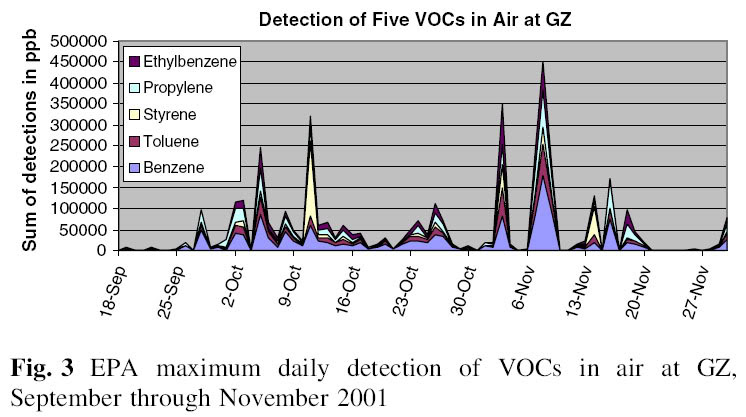


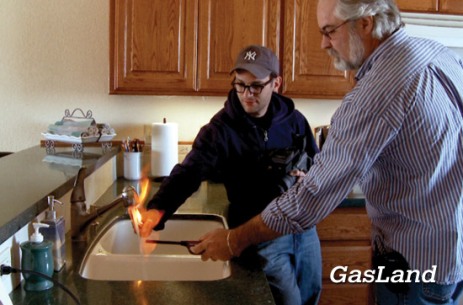
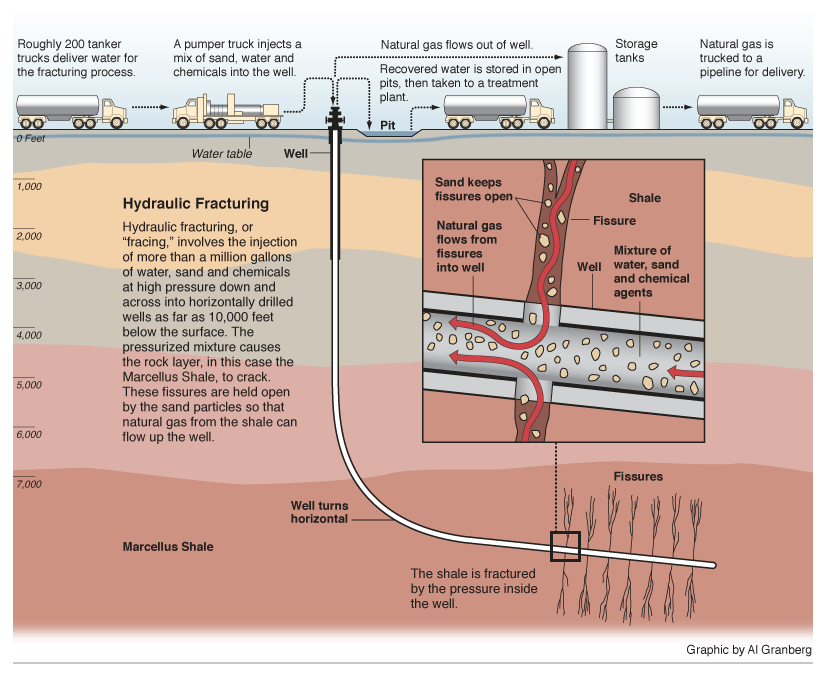
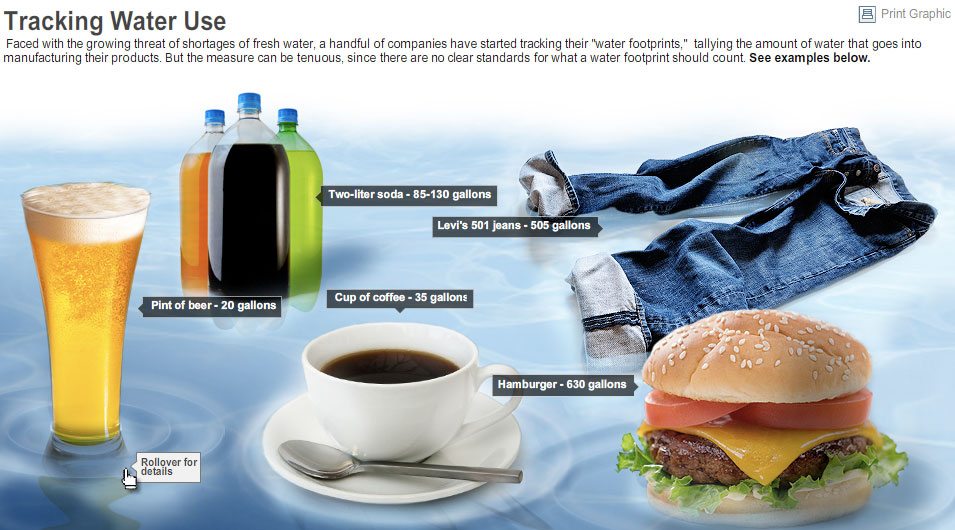



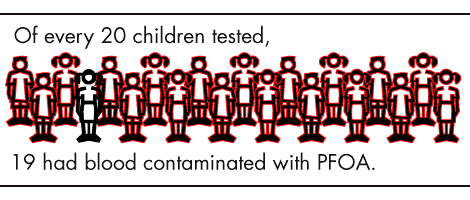




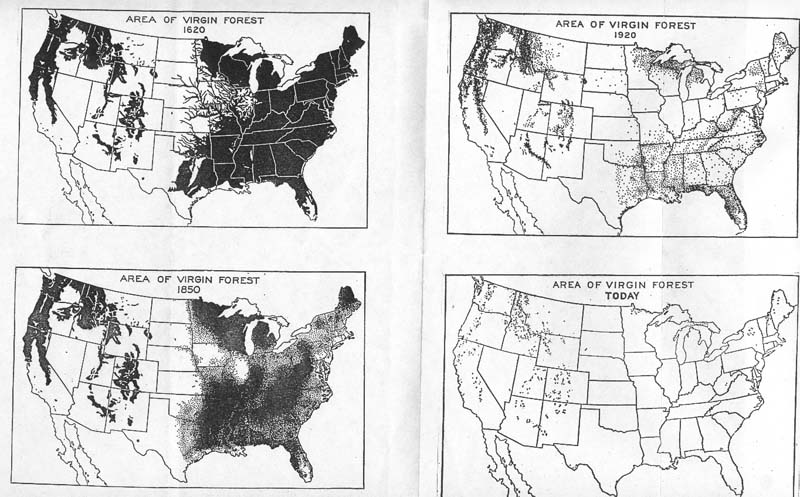

 OEcotextiles